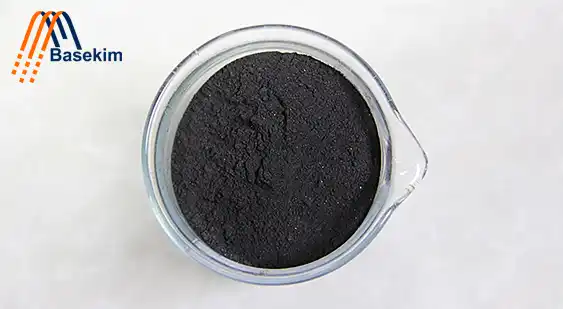
Understanding the Role of Gilsonite mesh size
When working with Gilsonite, the mesh size plays a crucial role in determining its behavior during mixing and application. It represents how fine or coarse the Gilsonite particles are after processing. The particle size influences blending speed, melting point, dispersion, and strength. Therefore, selecting the correct mesh size ensures consistent performance and efficiency across all industries.
Furthermore, every industrial process demands a different level of fineness. While coarse Gilsonite supports sealing and strength, fine Gilsonite improves smoothness and dispersion. For this reason, choosing the right mesh size is not just a technical choice — it’s a performance decision.
What Mesh Size Actually Means
Mesh size refers to the number of openings per inch in a screen. The higher the number, the finer the particles.
-
10 mesh has large particles.
-
200 mesh has extremely fine particles.
In simple terms, smaller mesh numbers mean coarser Gilsonite, while larger numbers mean finer Gilsonite. Consequently, different mesh sizes offer different performance benefits, depending on the intended use.
Common Gilsonite Mesh Sizes and Their Applications
Here’s a detailed overview of standard Gilsonite mesh sizes and how each is typically used:
| Mesh Size | Texture | Typical Applications |
|---|---|---|
| 0–10 Mesh | Coarse granules | Foundry, steelmaking, and heavy asphalt mixtures |
| 10–30 Mesh | Medium-coarse | Drilling fluids, oil-well cementing, and asphalt modification |
| 30–100 Mesh | Fine powder | Coatings, printing inks, and paints |
| 100–200 Mesh | Very fine powder | Waterproofing membranes, insulation, and chemical additives |
| 200+ Mesh | Ultra-fine powder | Plastics, adhesives, and specialty chemicals |
As you can see, each mesh size serves a specific purpose. Coarser grades are stronger and more durable, while finer grades blend easily and create smoother finishes.
How Mesh Size Affects Industrial Performance
Gilsonite mesh size directly influences how the product performs in various sectors. Below are the main ways mesh size impacts performance across industries.
1. Drilling and Cementing
In oil and gas drilling, Gilsonite is valued for its sealing properties. Coarser Gilsonite (10–30 mesh) is especially effective because it plugs fractures and prevents fluid loss. Moreover, it strengthens the wellbore walls, which helps reduce drilling problems. As a result, operators experience smoother and safer drilling operations.
2. Asphalt and Road Applications
In asphalt modification, finer Gilsonite (80–100 mesh) blends quickly and evenly. This improves heat resistance, durability, and road flexibility. Consequently, roads last longer and resist cracking even under heavy traffic or extreme temperatures. In addition, finer Gilsonite enhances adhesion between aggregates, improving pavement strength and stability.
3. Paints, Inks, and Coatings
Gilsonite is often used as a resin in paints and inks. Fine and very fine Gilsonite (100–200 mesh) ensures consistent texture and deep color. Furthermore, it increases gloss, hardness, and resistance to moisture. Because it dissolves evenly, it produces a rich black tone and a smooth finish that enhances both visual and physical performance.
4. Foundry and Metallurgical Use
In foundries, coarse Gilsonite (0–10 mesh) acts as a carbon additive. It reduces gas formation and improves casting surfaces. Additionally, it burns cleanly, leaving minimal residue, which helps produce higher-quality steel and iron castings. Thus, foundry operators often prefer coarse Gilsonite for its purity and strong carbon content.
5. Chemical and Adhesive Manufacturing
For adhesives, sealants, and chemical compounds, ultra-fine Gilsonite (200 mesh or finer) performs best. It disperses uniformly in mixtures, improving bonding strength and flexibility. Moreover, its waterproofing properties enhance durability in harsh environments. Therefore, ultra-fine Gilsonite is the go-to choice for precision chemical applications.
Selecting the Right Gilsonite mesh size
Choosing the correct mesh size can make a noticeable difference in efficiency and product quality. Below is a practical guide:
| Industry | Recommended Mesh Size | Benefit |
|---|---|---|
| Asphalt & Road Building | 80–100 mesh | Smooth blending, flexible roads |
| Oil & Gas Drilling | 10–30 mesh | Strong sealing and pressure control |
| Paints & Inks | 100–200 mesh | Rich color and glossy finish |
| Foundry Work | 0–10 mesh | High-quality metal casting |
| Chemical & Waterproofing | 200+ mesh | Improved bonding and durability |
As a rule of thumb, finer Gilsonite improves dispersion, while coarser Gilsonite increases strength. Therefore, consider your process requirements before selecting a grade.
Advantages of Using the Correct Gilsonite Mesh Size
Using the right mesh size offers several benefits, including:
-
Better product performance: The right particle size ensures efficient blending and even distribution.
-
Higher durability: Coarser sizes improve structural integrity, while finer ones add flexibility.
-
Improved processing speed: Finer Gilsonite melts faster and mixes more uniformly.
-
Environmental safety: Being natural and non-toxic, Gilsonite remains eco-friendly.
-
Cost-effectiveness: Correct sizing minimizes waste and maximizes output.
In short, when mesh size matches the application, production becomes faster, cleaner, and more reliable.
Handling and Storage Recommendations
To maintain Gilsonite’s quality, proper storage is essential.
-
Keep it in a cool, dry place away from moisture.
-
Avoid exposure to direct sunlight and humidity.
-
Seal containers tightly after each use.
-
During handling, use dust filters or enclosed systems, especially with fine mesh Gilsonite.
Following these steps preserves the particle size and ensures consistent results.
Conclusion of Gilsonite mesh size
Selecting the proper Gilsonite mesh size is vital for achieving top-quality results in every industrial process. Whether it’s sealing in drilling fluids, strengthening asphalt, or enhancing coatings, the right mesh size ensures superior blending, performance, and longevity.
Moreover, consistent particle sizing improves both efficiency and product appearance. Therefore, understanding and controlling mesh size should always be part of your production strategy.
For premium-quality Gilsonite available in all standard and custom mesh sizes, Basekim provides reliable, high-performance materials trusted by industries worldwide.
Visit Basekim to explore available grades and find the right Gilsonite mesh size for your application.
1. Which Gilsonite mesh size works best for asphalt?
For asphalt and road surfacing, 80–100 mesh is ideal because it blends smoothly and increases road strength and flexibility.
2. Can I mix different mesh sizes together?
Yes, you can. In fact, mixing coarse and fine meshes can balance sealing power and smooth blending, depending on your process requirements.
3. How does mesh size affect melting behavior?
Finer Gilsonite melts faster and integrates evenly in heated mixtures. Conversely, coarser sizes melt more slowly, maintaining strength longer. Therefore, select a size based on your blending temperature and target consistency.