Slack wax is a semi-refined petroleum wax produced during the lubricating oil refining process when wax crystals are separated from base oil. It contains a mixture of solid paraffin wax and residual oil, which is why it appears soft, oily, and yellow to brown in color. Refineries obtain slack wax before full refining, and manufacturers later process it into fully refined paraffin wax, semi-refined wax, or residue products such as foots oil. Because slack wax offers a balance of wax content and oil, industries use it as a cost-effective raw material for producing candles, polishes, rubber compounds, waterproofing materials, and industrial wax derivatives.

Slack wax supplier in drum and bag light and heavy grade
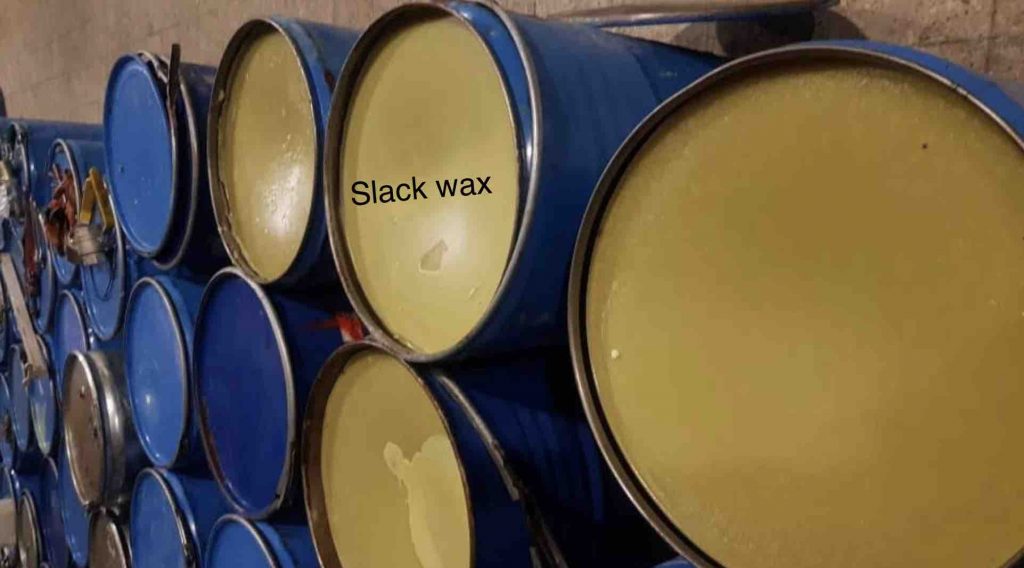
What is slack wax?
Light and heavy slack wax and differences
A. Physical Properties:
Light: It is relatively softer and has a lower melting point compared to heavy slack wax. It may appear translucent or slightly opaque.
Heavy: It is harder and has a higher melting point compared to light slack wax. It tends to be more opaque or solid.
B. Composition:
Light Slack: It contains a higher proportion of lower molecular weight hydrocarbons, including lighter paraffinic compounds.
Heavy Wax: It contains a higher proportion of higher molecular weight hydrocarbons, including heavier paraffinic compounds.
C. Applications:
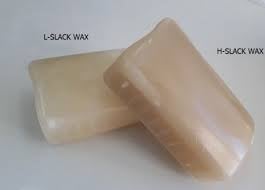
Light: Due to its softer nature and lower melting point, light wax is often preferred for applications that require flexibility, such as in the production of candles, rubber and tire industry, and as a lubricant or mold release agent.
Heavy: With its higher melting point and harder consistency, heavy slack is commonly used in applications that require durability, such as in the manufacture of matches, firelighters, polishes, coatings, and adhesives.
Micro slack wax
Lub cut containing a lot of paraffin wax and micro crystalline wax. Paraffin wax is produced through suiting process from slack which has been producing by bleaching process.
Micro wax is a mixture consisting a lot of iso-paraffinic, some of N-paraffinic, naphthenic and aromatic hydrocarbons, with 31-50 carbon atoms. Molecular weights of commercial Micro crystalline wax is 450-700.
Properties of Unrefined Wax
Slack is yellow or brown , easy melt able product.It is one of the products of refineries which is mixture of paraffin wax and oil originated from petroleum crude oil. The Wax oil content can range from 5% to 30%.
The diluted oil is then chilled to -10°C to -20°C. Wax crystals will form, precipitate and removed by filtration.
Usage and application of slack Wax
The traditional usage is in the producing paraffin wax. And other major usage are for particle board and medium density fiberboard, cable filing compound , matches, candles, rust protective products and moisture vapor barriers.
Melting point of Unrefined Wax
The melting point can vary depending on its composition, which in turn depends on the source of crude oil and the specific refining processes used. However, in general, the melting point range is typically between 50°C (122°F) and 70°C (158°F).
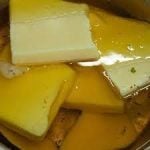
It’s important to note that different grade may have slightly different melting points. Light, which contains a higher proportion of lighter hydrocarbons, generally has a lower melting point compared to heavy, which contains a higher proportion of heavier hydrocarbons.
Slack wax price
Today slack wax price is on June 14 2023 is 800USD/MT average depend on packing and destination.
In summer time light price is more expensive than heavy and in winter time heavy is more expensive.
Famous slack wax brands
1-ExxonMobil: ExxonMobil is a major global oil and gas company that produces a range of petroleum products.
2-Shell: Shell is another prominent energy company that manufactures various petroleum-based products.
3-Sasol: Sasol is an international integrated energy and chemical company that produces wax and other wax-related products.
4-PetroChina: PetroChina is one of the largest oil and gas companies in China.
Other main exporter
1-Lukoil: Lukoil is a Russian multinational energy corporation involved in the production and sale of slack and other petroleum-based products.
2-Nippon Seiro: Nippon Seiro is a Japanese company that specializes in the production and distribution of wax and other waxes.
3-Behran slack wax:Behran Wax Can be used as blending components or water proofing agent in the manufacture of various industrial products such as candles, canvass coatings and composite wood panels.These waxes can also function as controlled release agents for various chemicals and fertilizers.
4-Sepahan Slack wax:It is the product of raffinate refining in the waxing unit with toluene-methyl ethyl ketone solvent. Due to the high precision in the waxing process and the use of special technology in this sector, Sepahan is a collection of normal linear hydrocarbons and isoparaffin that has a light color and is used in various industries such as candle making, textile, insulation and Wool, glass and wax emulsions are used.
5-Iranol slack wax:Named SW 10 SW 20 SW40 are by-product from solvent de-waxing process, provide a broad rang of melting points and physical and performance characteristics that are suitable for use in various product and process applications.
6-Tupras slack:Tupras-1410 Spindle Slack. Tupras-1420 Light Neutral Wax. Tupras-1430 Heavy Neutral Slack. Tupras-1440 Bright Stock Wax

Top exporter countries are China, India, Iran, USA, German, Malaysia, South Africa, South Korea , UAE (Dubai), Egypt, Russia, Thailand, Turkey, France, Poland and Thailand.
Packing of wax
Packing can be new or second hand 180 kg drums, 50Kg bag or 1000Kg jumbo bag,Iso tank or flexi tanks.
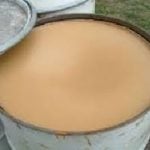
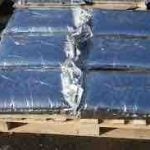
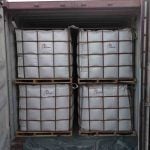
In winter time we export in jumbo bags with 1000 kg capacity , also small bags equal to 50 kg while the oil content is not more than 15%.
HS code of slack wax
27129000 is HS code of slack and it is using for category of Other paraffin wax, microcrystalline petroleum wax, ozokerite, lignite wax, peat wax, other mineral waxes, and similar products obtained by synthesis or by other processes, whether or not coloureds.
Different grades of slack wax analysis is as below
| Product name | Oil content | Melting Point | Congealing Point | Color | flash point c | Viscosity @ 100 ˚C |
| BKSw 10 | 10-12% | 55-57 ˚C | 54-56 ˚C | 3 | 230 | 5 cst |
| BKSW 30 | 30-35% | 52-55 ˚C | 50-53 ˚C | 4 | 230 | 6 cst |
| BKSW 15 | 15-17% | 54-60 ˚C | 53-58 ˚C | 4 | 245 | 7 cst |