Recycled Asphalt Pavement (RAP) is reclaimed road material that contains reusable asphalt binder and aggregates from existing pavement. Contractors recover RAP through milling, crushing, or pavement removal, then process it for use in new asphalt mixtures, road bases, and rehabilitation projects. By replacing part of the virgin bitumen and aggregate, RAP can reduce material costs, […]

Article
The comparison between Soda ash Dense vs Light plays a major role in several industrial sectors. Manufacturers, procurement managers, and chemical distributors often compare dense soda ash and light soda ash before selecting the right grade for production. Although both grades contain sodium carbonate, they differ significantly in particle size, density, handling behavior, and industrial […]
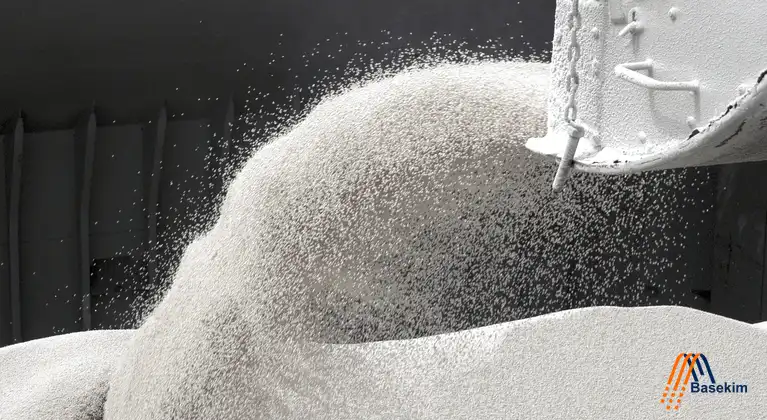
Choosing between Industrial Urea vs Agricultural Urea requires more than comparing the product name or nitrogen content. Although both grades share the same basic chemical foundation, manufacturers and agricultural users demand different specifications, purity controls, physical properties, and performance standards. Industrial buyers usually focus on controlled impurities, particle consistency, moisture level, biuret content, processing behavior, […]
The comparison between Warm Mix Asphalt vs Hot Mix Asphalt has become increasingly important in modern road construction. Contractors, asphalt producers, engineers, and project owners compare these two production methods based on energy use, emissions, paving temperature, hauling distance, compaction, durability, construction cost, and long-term pavement performance. The right choice depends on project conditions rather […]
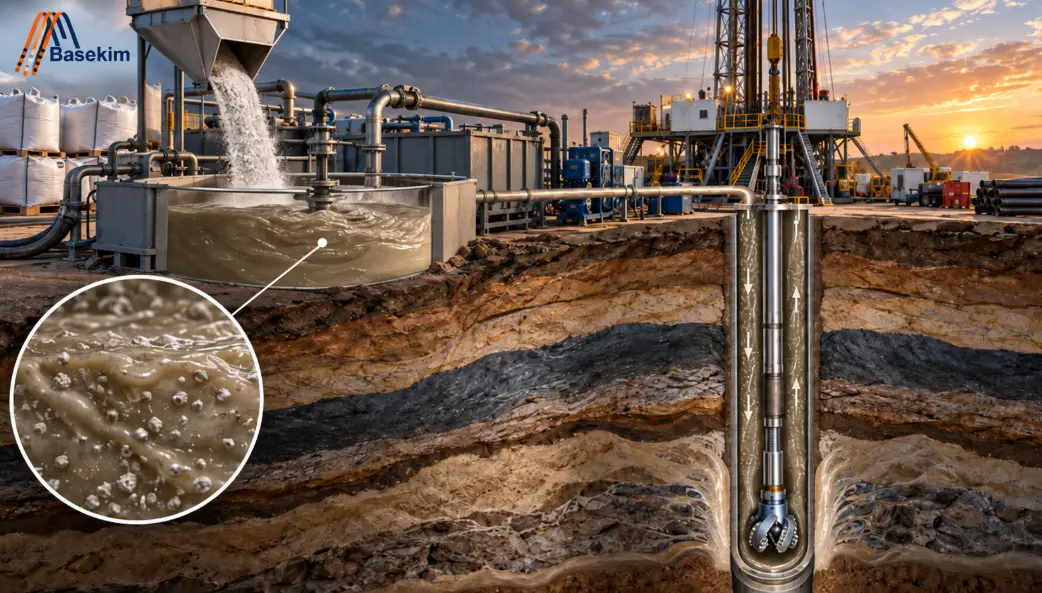
How Much Barite Is Needed to Increase Mud Weight? The amount of barite required to increase drilling mud weight depends mainly on four parameters: Initial mud weight Required final mud weight Active drilling fluid volume Specific gravity of the barite For conventional API Barite 4.2, a commonly used field equation is: Barite required (lb/bbl) = […]
Water treatment facilities use coagulants to remove suspended particles, color, organic matter, and other impurities from water. Among the available treatment chemicals, Poly Aluminum Chloride vs Alum remains one of the most important comparisons for water treatment plants, industrial facilities, and wastewater operators. Both chemicals contain aluminum and support coagulation. However, they behave differently during […]
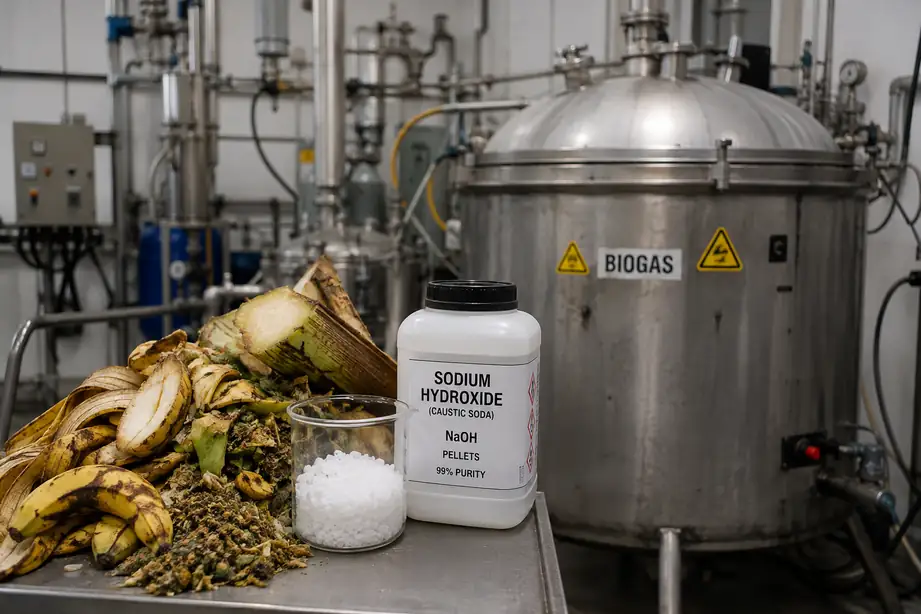
Agricultural waste can hold far more energy than it first appears to contain. Banana peels, stems, and unsellable fruit contain valuable organic matter, yet their tough plant structure can slow anaerobic digestion. A recent study shows that a simple chemical pretreatment may help solve this problem. Researchers found that very small amounts of sodium hydroxide, […]
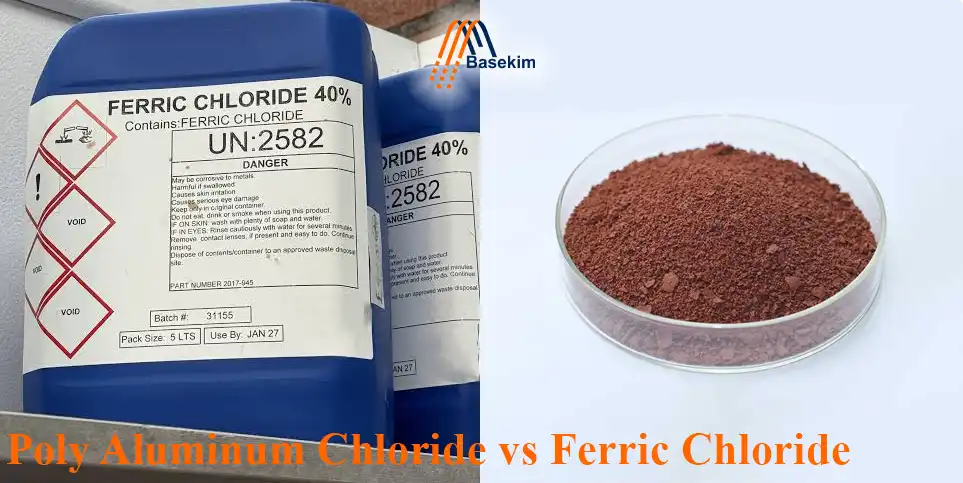
Poly Aluminum Chloride vs Ferric Chloride is an important comparison for water treatment plants, wastewater facilities, industrial operators, and procurement teams that need reliable coagulation performance. Both chemicals can remove suspended particles, turbidity, color, organic matter, and other contaminants. However, they behave differently during dosing, floc formation, pH control, sludge generation, and downstream treatment. Choosing […]
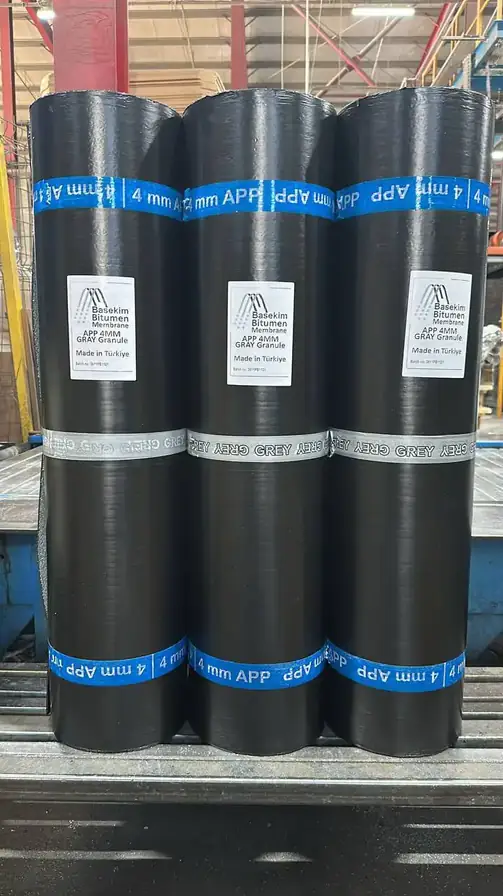
The Bitumen Membrane Manufacturing Process involves several controlled production stages that transform raw materials into durable waterproofing sheets. Manufacturers carefully select materials, modify bitumen compounds, combine reinforcement layers, apply coatings, and perform quality inspections. As a result, the final membrane achieves the required strength, flexibility, and resistance for construction applications. Raw Materials Used in Production […]
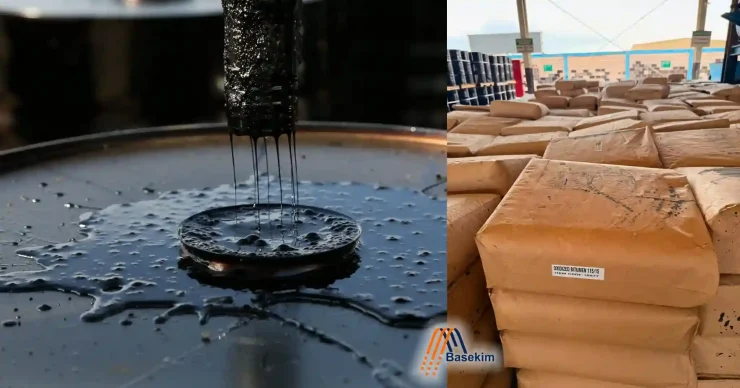
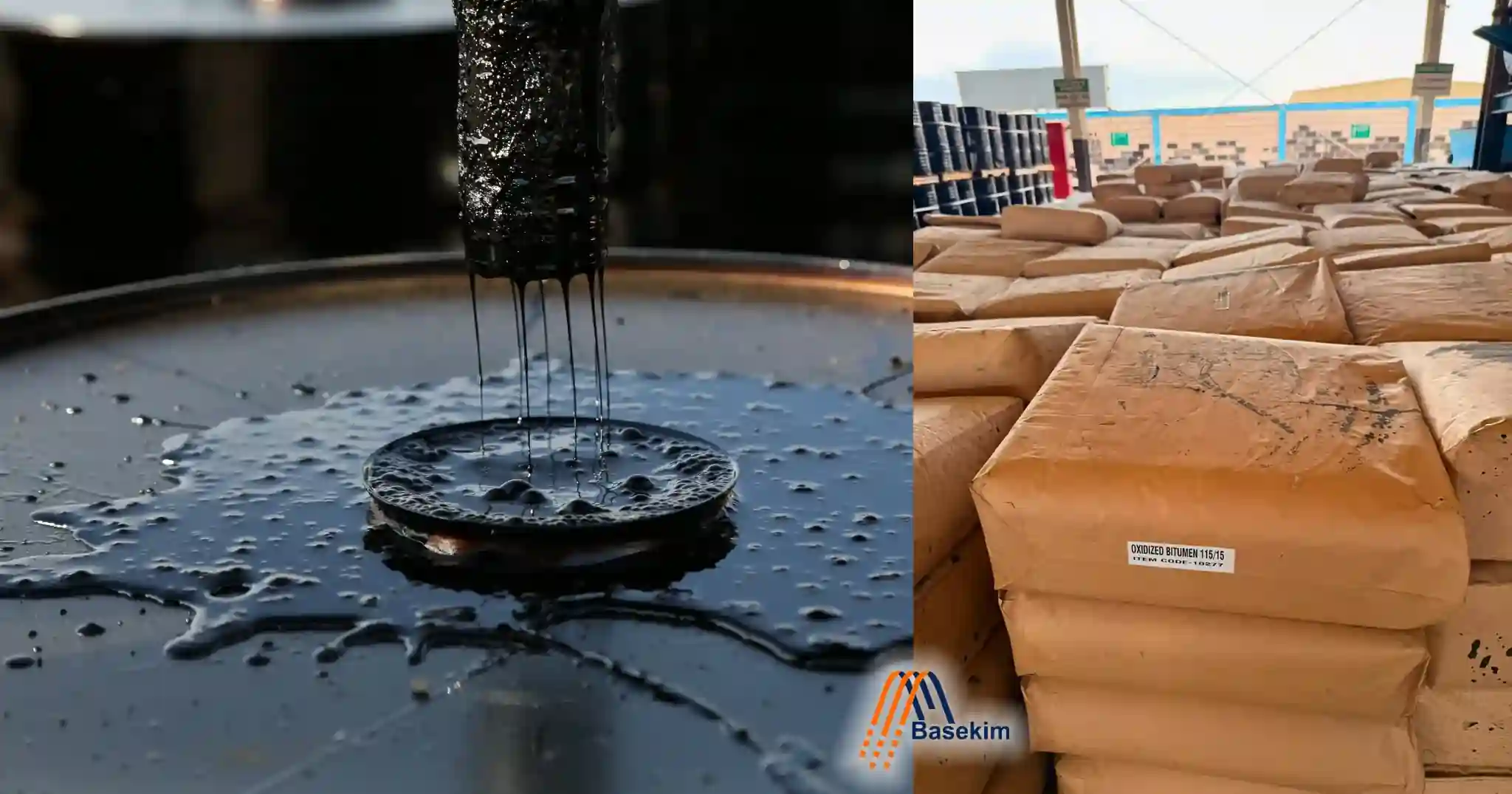
When industries compare Oxidized Bitumen vs Polymer Modified Bitumen, they usually focus on performance, durability, application requirements, and long-term value. Both materials serve demanding construction and industrial needs; however, they perform differently under temperature changes, mechanical stress, and environmental conditions. Choosing the right option depends on project requirements, climate conditions, expected service life, and performance […]