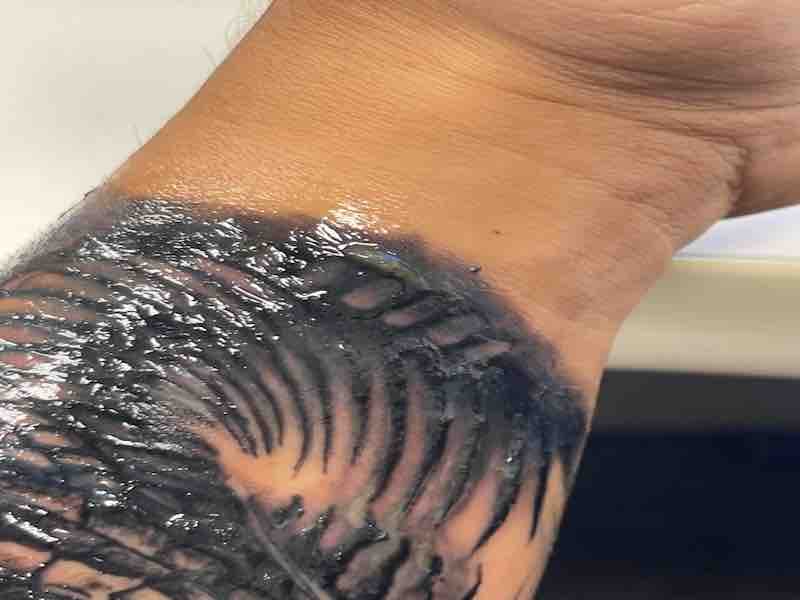
You should not use petroleum jelly for tattoo healing during the first few days because it blocks airflow and slows recovery; however, after the tattoo begins peeling, a very thin layer may help reduce dryness. Since many people ask “can you put Vaseline on a tattoo?” or “can you use petroleum jelly on tattoos?”, the key is understanding when it helps and when it harms. Because a new tattoo is an open wound, it needs breathable moisture—not a heavy barrier—so correct timing protects your skin and keeps your tattoo bright.
What Happens to Your Skin After a Tattoo?
Before learning the right aftercare rules, you must know what happens beneath the surface. When a tattoo artist inserts ink under your skin, tiny needles pierce the surface thousands of times per minute. As a result, your skin becomes extremely sensitive. It needs oxygen, proper moisture, and protection from bacteria. Because of this, any product you apply should support healing and must not block airflow.
Although petroleum jelly is excellent for locking moisture, it creates a thick barrier. This barrier helps in some situations but can also trap heat, sweat, or bacteria. Therefore, choosing the right time and right method matters.
Can You Put Vaseline on a Tattoo?
Yes — but only in very specific situations. You can put Vaseline on a tattoo after the initial healing stage or only during activities that need extra protection. For example:
Before showering to protect the tattoo from heavy water flow
During workouts when clothes rub against the skin
When the tattoo is fully healed and needs extra shine for photos
However, applying Vaseline during the first few days can cause problems. Since the skin is open and actively healing, heavy ointments trap moisture and prevent airflow. This slows healing and may even cause excess scabbing.
Is Vaseline Safe for New Tattoos?
A very common question is: “Is Vaseline on new tattoo safe?”
The short answer: No, not during the first 3–5 days.
Because new tattoos need air to heal, artists recommend light, breathable ointments instead of thick petroleum jelly. Vaseline blocks oxygen, so your tattoo may:
Heal more slowly
Trap bacteria, increasing risk of infection
Look dull or patchy after healing
Produce thicker scabs that pull out ink
Therefore, while Vaseline is not toxic, it is not ideal for the early stages of a tattoo.
Why Some People Still Use Petroleum Jelly for Tattoo Healing
Although it is not recommended for brand-new tattoos, petroleum jelly still plays a small role in aftercare. Many people prefer it because:
It seals moisture
It protects skin from rubbing
It prevents water from entering the wound
It is affordable and easy to find
Tattoo artists sometimes use a thin layer during the procedure because it reduces friction between the machine and the skin. However, after the session, most artists switch to lighter, breathable products for healing.
Can You Use Petroleum Jelly on Tattoos?
Yes, but with timing and moderation. You can use petroleum jelly on tattoos after the peeling stage starts and the skin no longer looks raw. At this point, dryness becomes a bigger problem than airflow, and a small amount of petroleum jelly can protect the skin and keep it flexible.
Yet, even during this period, you should apply it thinly. A thick coat can still block pores and cause breakouts around the tattoo.
When Petroleum Jelly Should NOT Be Used
Avoid petroleum jelly during:
1. First 72 hours
The tattoo is fresh, swollen, and open. The skin must breathe.
2. When the tattoo is leaking plasma
This stage requires gentle cleaning and breathable hydration.
3. When you feel heat or irritation
Heavy ointments can trap heat and worsen inflammation.
4. If your tattoo is in a humid area
Moist environments trap sweat and bacteria under the jelly.
Better Alternatives to Petroleum Jelly for Tattoo Aftercare
Instead of heavy petroleum jelly, experts recommend lighter healing balms that allow oxygen exchange. Good alternatives include:
Specialized tattoo balms
Light fragrance-free moisturizers
Aquaphor or similar breathable ointments
Panthenol-based creams
Natural shea butter or cocoa butter (thin layer only)
These products keep the skin hydrated while allowing it to heal naturally.
Can You Use Vaseline on Tattoos During Showering?
Yes. This is one of the few recommended uses. When you shower within the first week, strong water pressure may irritate the tattoo. Applying a thin layer of Vaseline can protect it temporarily. However, wash it off gently afterward to prevent clogging the pores.
How Long Should You Avoid Vaseline on a New Tattoo?
Most tattoo artists advise avoiding Vaseline for at least the first 3–5 days, or until:
The tattoo stops leaking plasma
The redness decreases
A thin layer of peeling skin develops
Once peeling begins, you may introduce petroleum jelly in tiny amounts—only if the tattoo feels overly dry.
Can You Use Vaseline on Tattoos in Hot Weather?
Hot climates cause sweating. Since Vaseline traps moisture, it may cause irritation or bacterial growth. Therefore, avoid it in hot or humid weather until your tattoo is fully healed. Instead, use lightweight lotions.
Why Thick Ointments Can Damage Tattoo Ink
Fresh tattoos need oxygen for cell regeneration. Without proper airflow, your skin may:
Heal unevenly
Retain excess scabbing
Lose pigment
Develop patchy spots
Because petroleum jelly is occlusive, it blocks oxygen and may push ink particles toward the surface too quickly.
How to Use Petroleum Jelly Safely on a Tattoo (Step-by-Step)
If you decide to use petroleum jelly during the later stages, follow these steps:
1. Clean the tattoo first
Use mild soap and warm water.
2. Pat it dry gently
Never rub. Rubbing removes ink and irritates the skin.
3. Apply a very thin layer
Use only enough to create light shine, not a thick blanket.
4. Reapply only when needed
One or two times per day is enough.
5. Stop use if irritation appears
Redness, bumps, or itching means you should switch to a lighter balm.
Can You Sleep With Petroleum Jelly on Your Tattoo?
Sleeping with a heavy layer of Vaseline during early healing is not recommended because your tattoo may suffocate. However, after peeling begins, you may use a thin layer to prevent dryness overnight. Always change your bedsheets or cover the area to avoid bacteria.
Can Vaseline Fade Tattoo Ink?
Indirectly, yes. Vaseline itself does not chemically remove ink, but poor healing conditions caused by Vaseline can lead to fading. When the skin cannot breathe, scabs become thick and may pull ink out as they fall.
Difference Between Vaseline and Petroleum Jelly for Tattoo Use
Although people use the words interchangeably, there is a difference:
Petroleum jelly is the general substance
Vaseline is the brand name
Both behave the same on tattoos. However, some petroleum jelly products come with added fragrances, which may irritate sensitive skin. Always choose fragrance-free options.
Can You Use Vaseline on Tattoos for Long-Term Care?
Yes. Once your tattoo is fully healed (usually after 3–4 weeks), Vaseline becomes safe for long-term use. It can:
Lock moisture
Add temporary shine
Protect skin from dryness
Many people apply it before going outdoors because it blocks wind and dust.
Signs You Should Stop Using Petroleum Jelly Immediately
Stop using it if you see:
Excessive redness
Unusual heat
Sticky moisture that doesn’t dry
White patches from trapped fluid
Pimples around the tattoo
These signs show the tattoo cannot breathe properly.
Final Thoughts
Using petroleum jelly for tattoo aftercare is not completely wrong, but timing matters. Although Vaseline can protect and moisturize, it also blocks airflow. Therefore, you should avoid vaseline on a new tattoo during the first few days. Instead, choose breathable products that support healing. After your tattoo starts peeling and the skin calms down, you may use small amounts of petroleum jelly for dryness or protection.
With the right aftercare routine, your tattoo heals faster, keeps its color for years, and stays bright and beautiful.
1. Can you use Vaseline on tattoos right after getting them?
No. Fresh tattoos need air and light moisture. Vaseline blocks airflow and may slow healing.
2. Is Vaseline safe for old tattoos?
Yes. Fully healed tattoos respond well to small amounts of petroleum jelly.
3. Why do some artists use Vaseline during tattooing?
It reduces friction, protects skin from the machine, and wipes ink easier.
4. Can you use petroleum jelly on tattoos during peeling?
Yes, but in very thin layers. It helps reduce dryness if used responsibly.
5. Can you put Vaseline on a tattoo before swimming?
It offers a protective barrier, but the better option is to avoid swimming until the tattoo fully heals.