- About Us
- Contact Us
- English


Sodium Sulfide – Industrial Uses, Handling, and Buyer Considerations
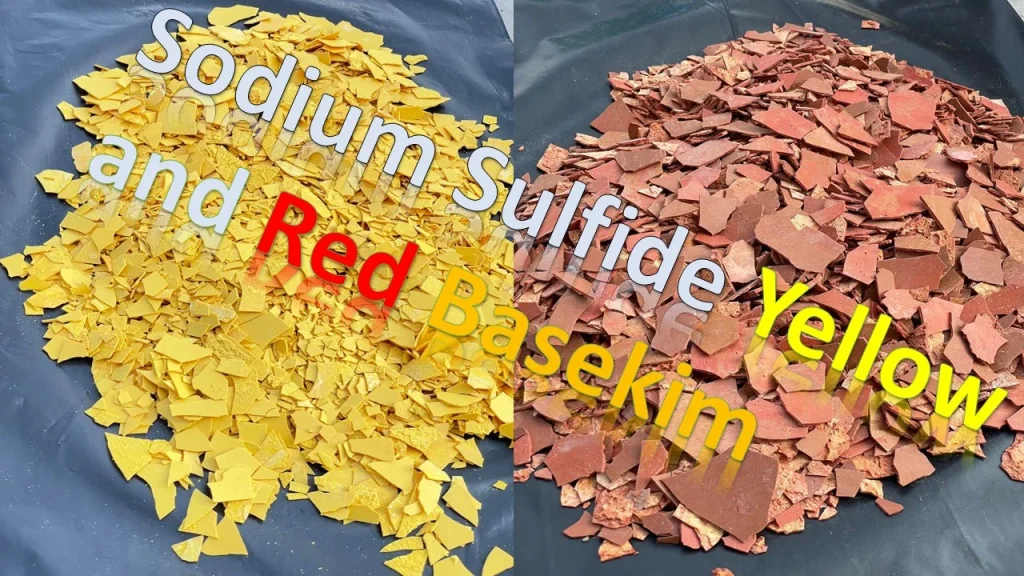
Sodium sulfide is an inorganic chemical mainly used as a reducing agent and sulfur source in heavy industries such as leather processing, pulp and paper, mining, wastewater treatment, and chemical manufacturing. It matters because it breaks down organic materials, removes sulfur-containing impurities, and supports key reaction steps that few alternatives can handle as efficiently. Buyers who typically use sodium sulfide include tanneries, mineral processors, chemical formulators, and industrial plants that need reliable sulfur chemistry under controlled conditions.
What Sodium Sulfide Is and How It’s Supplied
Sodium sulfide is usually produced by reducing sodium sulfate or sodium carbonate with carbon at high temperature. In practice, buyers encounter it in two main commercial forms:
Solid flakes or lumps (commonly 60% or 62% purity)
Aqueous solutions (typically 30–45%)
From a buyer’s perspective, the choice between solid and liquid depends on storage capability, dosing accuracy, and safety procedures. Solids offer easier long-distance transport and longer shelf life. Liquids reduce handling dust but require corrosion-resistant tanks and pumps.
Industrial-grade sodium sulfide follows internal producer specifications rather than a single global standard, but reputable suppliers control:
Active Na₂S content
Insoluble matter
Iron and heavy metal impurities
Moisture level (critical for solid grades)
Key Industrial Applications You’ll See in Practice
Leather and Hide Processing
In tanneries, sodium sulfide is essential for hair removal and fiber opening. It breaks the disulfide bonds in keratin, allowing clean dehairing without excessive mechanical damage.
From experience, overdosing is one of the most common problems. Too much sodium sulfide weakens the hide structure and increases sulfide load in effluent. Controlled dosing and consistent purity matter more than chasing the lowest price.
Pulp and Paper (Kraft Process)
Sodium sulfide acts as a core component of white liquor, supporting lignin breakdown while preserving cellulose fibers. Mills closely monitor sulfidity because it directly affects pulp strength and yield.
Here, consistency between batches is critical. Even small variations in Na₂S content can shift cooking conditions and impact downstream bleaching costs.
Mining and Ore Flotation
In mineral processing, sodium sulfide activates or depresses specific minerals during flotation. Copper oxide ores, for example, often rely on sodium sulfide treatment before collector addition.
Procurement teams usually ask about:
Solubility speed
Insoluble residue
Compatibility with flotation reagents
Poor-quality material can lead to unstable recovery rates and reagent waste.
Wastewater and Chemical Manufacturing
Sodium sulfide precipitates heavy metals as insoluble sulfides and neutralizes oxidizing contaminants. It’s also used as a reducing agent in dye, sulfur chemical, and specialty intermediate production.
In these uses, reaction predictability is more important than color or appearance. Engineers focus on assay reliability and impurity control.
Handling, Storage, and Safety Considerations
Sodium sulfide reacts with moisture and acids to release hydrogen sulfide (H₂S), a toxic gas. This is not theoretical—it’s a real operational risk.
Best practices include:
Storing solids in sealed, dry containers
Using local exhaust ventilation in handling areas
Never mixing with acids or acidic waste streams
Training operators on H₂S detection and emergency response
From real plant experience, most incidents happen during manual handling or when incompatible chemicals share the same storage zone.
Quality Factors Buyers Should Evaluate
When sourcing sodium sulfide, experienced buyers look beyond headline purity:
| Parameter | Why It Matters |
|---|---|
| Active Na₂S % | Determines dosing accuracy |
| Insoluble matter | Affects pumps, filters, and reactions |
| Iron content | Can discolor products or interfere with reactions |
| Packaging quality | Prevents moisture uptake and degradation |
Requesting a Certificate of Analysis (COA) for each batch is standard practice in serious operations.
Supply and Logistics Reality
Sodium sulfide is classified as a hazardous chemical for transport. Packaging must comply with UN regulations, and transit times should be planned to avoid prolonged exposure to humidity.
Exporters like Basekim typically ship sodium sulfide in:
25 kg or 50 kg moisture-resistant bags
Jumbo bags with inner liners
Bulk liquid containers for solution grades
Matching packaging to your storage and handling setup reduces losses and safety risks.
Is Sodium Sulfide the Right Choice for Your Process?
Sodium sulfide is the right material if your process requires:
Strong reducing power
Reliable sulfur chemistry
Proven performance in harsh industrial environments
It may not be suitable if:
You cannot manage H₂S risk
Your process needs ultra-high purity sulfur compounds
Local regulations restrict sulfide use without advanced controls
A brief technical discussion with your supplier often prevents costly trial-and-error later.
Final Buyer Guidance
Sodium sulfide is a workhorse chemical with clear advantages when used correctly. Buyers should focus on consistent quality, safe handling, and application-specific performance, not just price per ton. Reviewing specifications, understanding your dosing needs, and aligning logistics with plant conditions are the next logical steps.
If you’re evaluating sodium sulfide for an existing or new process, start by matching the grade and form to your application requirements, then confirm quality control and packaging details before placing volume
Q1: What industries commonly use this material?
It is widely used in leather processing, pulp and paper manufacturing, mineral flotation, wastewater treatment, and chemical synthesis. These industries rely on its reducing properties and sulfur activity rather than appearance or branding.
Q2: Is it typically supplied as a solid or a liquid?
Both forms are available. Solid flakes or lumps are preferred for export and long-term storage, while aqueous solutions are often chosen for automated dosing systems where precise control is required.
Q3: What purity levels are usually offered for industrial use?
Most industrial buyers work with grades around 60–62% active content for solid material. Actual suitability depends on the process, impurity tolerance, and dosing method rather than maximum purity alone.
Share On

Contact Info
Ankara Office
No.6, Fahrettin Pasa St. (613), Ilkbahar, Cankaya – Ankara
Tel: +90 312 514 70 55
Istanbul Office
No. 219, Sogut St., No.20, T4A Block, Maslak, Sariyer – Istanbul
Tel: +90 212 807 22 33
Dubai Office
No.3509, The Burlington Tower, Business Bay, Dubai – UAE
Tel: +971 4 236 98 30