


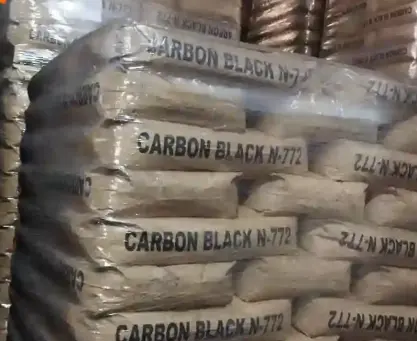
Carbon Black Price
FOB Price · Packing: Jumbo Bag 1 Ton
Price Trend
—
What Is Carbon Black and Why Price Matters
Carbon black is a critical industrial material widely used in tire manufacturing, rubber goods, plastics, inks, and coatings. Because it plays a reinforcing and coloring role, even small changes in carbon black price can significantly impact production costs across multiple industries.
Carbon black prices are not fixed and vary based on market conditions, grade specifications, and production inputs. Understanding how pricing works helps buyers and traders make better sourcing decisions.
Key Factors Affecting Carbon Black Price
Raw Material and Feedstock Costs
Carbon black is produced from heavy petroleum feedstocks. Changes in crude oil and residual oil prices directly influence production costs, making feedstock availability one of the strongest drivers of carbon black price movements.
Grade and Technical Specifications
Different grades such as N220, N330, N550, or N660 have distinct properties, including particle size, surface area, and reinforcement strength. Higher-performance grades typically command higher prices due to stricter production control and higher demand in premium applications.
Industrial Demand and Market Balance
Global demand from tire manufacturers, rubber processors, and plastic producers plays a major role in price formation. When demand from automotive and industrial sectors increases, carbon black prices often follow an upward trend.
Global Market Conditions and Price Trends
Production Capacity and Regional Supply
Carbon black price can vary by region depending on local production capacity, plant operating rates, and environmental regulations. Limited supply or plant shutdowns may lead to short-term price increases.
Logistics and Trade Environment
International trade conditions, shipping availability, and export flows also influence pricing, especially in cross-border transactions. Market participants often track global price trends rather than relying on a single local reference.
How Carbon Black Prices Are Evaluated
Carbon black prices are usually compared by grade, not by packaging or shipment method. Buyers focus on technical suitability, consistency, and long-term availability when evaluating price levels. Monitoring grade-based price trends provides a clearer picture of real market value.