- About Us
- Contact Us
- English


Gilsonite waterproofing
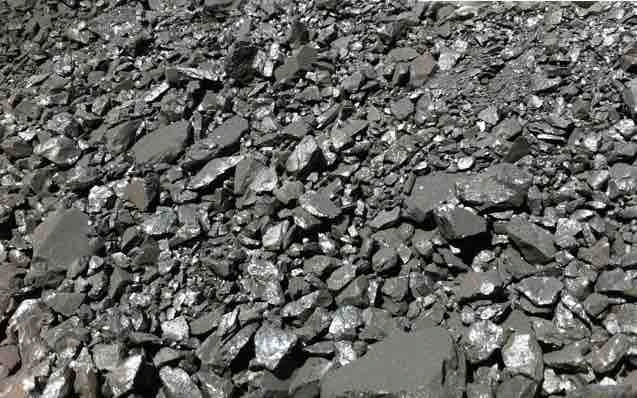
Introduction: Why Gilsonite Works for Waterproofing
Gilsonite for waterproofing is now a key ingredient in many modern construction products. Because it has strong bonding power, natural flexibility, and easy mixing, manufacturers use it to make waterproofing membranes, coatings, mastics, and sealants. It also works well with both bitumen and polymers, which makes it a smart and cost-effective choice for many waterproofing systems.
How Gilsonite Protects Against Water
Gilsonite acts like a natural waterproof resin. When you mix it with bitumen or synthetic binders, it creates a tight barrier that stops water, moisture, and vapor from passing through. As a result, it protects buildings and structures in areas where water problems are common.
Gilsonite performs especially well in:
-
Rooftops
-
Basements
-
Underground structures
-
Tunnels
-
Foundations
-
Damp and coastal areas
Because it forms a strong and stable layer, it improves the life of the entire waterproofing system.
Typical Technical Specifications
Gilsonite used in waterproofing follows these general specs:
| Property | Value |
|---|---|
| Softening Point | 160–220°C |
| Ash Content | <5% |
| Solubility in Bitumen | >99% |
| Moisture Content | <1% |
| Specific Gravity | ~1.04 |
These features help Gilsonite melt easily, mix smoothly, and form a long-lasting waterproof layer.
Gilsonite Grades for Waterproofing
Gilsonite comes in several forms, and each works best for a different type of waterproofing product:
-
Powder (100–200 mesh): used for coatings, primers, sealants, and bitumen emulsions
-
Granules (30–40 mesh): used for SBS and APP hot-melt blends
-
Crushed Flakes (1–5 mm): used for direct bitumen blending or bulk mixing
Choosing the right grade helps you reach the flexibility, flow, and temperature performance your formula needs.
Packaging Options for Waterproofing Producers
To protect the material from moisture, Gilsonite is packed in:
-
25 kg laminated bags
-
500 kg jumbo bags
-
1 MT jumbo bags
-
Private-label packaging
-
Bulk containers for factories
Each packaging type makes storage, loading, and blending easier and cleaner.
Main Uses in Waterproofing Systems
Because Gilsonite improves flexibility, hardness, and water resistance, it is widely used in:
-
SBS/APP modified bitumen membranes
-
Waterproofing sealants and mastics
-
Foundation and basement coatings
-
Sub-grade and below-ground protection layers
-
Bitumen emulsion paints
-
Hot-applied waterproofing compounds
-
Cold-applied primers
-
Self-adhesive flashing tapes
It works well in both hot and cold waterproofing systems.
How to Use Gilsonite in Waterproofing Production
To get the best result, follow these steps:
-
Heat bitumen to 160–190°C.
-
Add Gilsonite slowly.
-
Mix well until it is fully melted and uniform.
-
Combine with SBS, APP, or EVA (if required).
-
Apply the final product by spray, roller, brush, or casting.
This method improves viscosity, bonding, and water resistance.
Performance Benefits of Gilsonite in Waterproofing
Gilsonite improves waterproofing materials in many ways:
-
Stronger water resistance
-
Better UV protection
-
Higher softening point
-
More crack resistance
-
Better bonding to concrete, brick, and metal
-
Lower cost than full polymer systems
Because it works in hot, cold, and humid climates, it is used worldwide in many types of construction.
Compatibility with Other Raw Materials
Gilsonite blends easily with almost all waterproofing ingredients, including:
Bitumen Grades
-
Bitumen 80/100
-
Oxidized grades such as 85/25, 95/25, or 115/15
Polymers
-
SBS
-
APP
-
EVA
Fillers
-
Talc
-
Limestone
-
Fly ash
Additives
-
Tackifiers
-
Plasticizers
-
Emulsifiers (for cold-applied systems)
Because Gilsonite mixes smoothly and melts evenly, it makes the production process more efficient.
Types of Waterproofing Products Made with Gilsonite
Gilsonite is a key ingredient in many final products, such as:
-
Liquid waterproofing emulsions
-
Hot-applied membranes
-
Self-adhesive membranes
-
Bituminous flashing tapes
-
Waterproof mastics
-
Cold-applied primers
-
Joint sealants
-
Protective coatings
Each of these products gains better strength, flexibility, and lifespan with Gilsonite.
Best Practices for Handling and Mixing
To ensure the best quality:
-
Keep the blending unit dry and ventilated
-
Protect the material from moisture
-
Use personal safety gear for large mixing batches
-
Pre-grind Gilsonite if needed for powdered systems
-
Avoid overheating to prevent burning
Following these steps ensures a smooth, stable blend.
Storage and Shelf Life
Gilsonite is easy to store and has a long shelf life:
-
Minimum shelf life: 2 years
-
Keep in the original sealed bags
-
Store in a cool and dry place
-
Keep away from direct sunlight
-
Stack carefully up to 2 tons
These conditions help maintain quality during long-term storage.
Eco-Friendly and Sustainable Benefits
Gilsonite is a natural mineral resin. It is non-toxic, safe to use, and produces fewer emissions than many synthetic additives. Because it increases the durability of waterproofing systems, it also reduces maintenance and waste over time. This makes it a smart choice for companies focused on green building and sustainable materials.
Global Supply and Logistics Support
We supply waterproofing-grade Gilsonite from our hubs in:
-
UAE (Jebel Ali)
-
Turkey (Mersin)
-
Iran (Bandar Abbas)
With strong logistics support and fast loading, we deliver to:
-
Waterproofing factories
-
Membrane producers
-
Sealant manufacturers
-
Construction distributors
-
Large infrastructure projects
We offer tailored shipping plans to reduce your cost and speed up delivery.
Why Waterproofing Companies Choose Our Gilsonite
Customers trust our Gilsonite for these reasons:
-
Reliable and consistent quality
-
Expert guidance for blending and formulation
-
Steady stock and rapid shipping
-
Custom grades for different products
-
Years of experience in the waterproofing industry
We help manufacturers build better, longer-lasting waterproofing systems with every shipment.
Conclusion
Gilsonite is a powerful and cost-effective waterproofing additive. Because it improves water resistance, bonding strength, heat stability, and flexibility, it is used in many modern waterproofing products. Whether you produce membranes, primers, mastics, or liquid coatings, choosing high-quality Gilsonite for waterproofing helps you achieve stronger performance and longer-lasting protection.
Can Gilsonite be used in cold-applied waterproofing?
Yes, with proper emulsification or blending, it works in both hot and cold applications.
Does Gilsonite affect the elasticity of membranes?
It increases hardness and durability. Combine with elastomers like SBS for flexibility.
Is Gilsonite waterproof on its own?
Not entirely. It enhances waterproofing when blended with bitumen or polymers.
What’s the typical usage ratio in waterproofing membranes?
Anywhere from 5% to 20%, depending on the formulation.
Does Gilsonite-based waterproofing resist UV and weathering?
Yes. It significantly improves UV stability and aging resistance of coatings.
Contact Info
Ankara Office
No.6, Fahrettin Pasa St. (613), Ilkbahar, Cankaya – Ankara
Tel: +90 312 514 70 55
Istanbul Office
No. 219, Sogut St., No.20, T4A Block, Maslak, Sariyer – Istanbul
Tel: +90 212 807 22 33
Dubai Office
No.3509, The Burlington Tower, Business Bay, Dubai – UAE
Tel: +971 4 236 98 30