- About Us
- Contact Us
- English


Residue Wax (Foots Oil): Complete Guide to Uses, Production, and Benefits
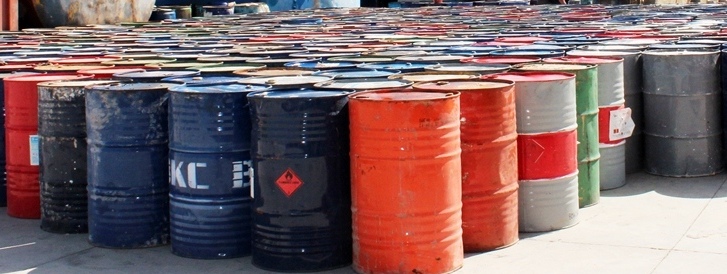
Residue wax, commonly known as foots oil, is a valuable petroleum byproduct that plays a critical role in many industrial supply chains. It forms during the final stages of paraffin wax production and contains a rich blend of oil and wax components. Because of this unique composition, foots oil delivers flexibility, binding power, and cost efficiency that many industries actively need. In simple terms, residue wax is not waste—it is a functional raw material that supports rubber, fuel, match, lubricant, and chemical manufacturing worldwide.
Today, manufacturers look for materials that balance performance, availability, and price. Foots oil meets these expectations because it offers reliable industrial performance while remaining more economical than fully refined waxes. This guide explains what residue wax is, how it is produced, where it is used, how it is packed, and how it differs from paraffin wax—all in a clear, practical, and buyer-focused way.
What Is Residue Wax (Foots Oil)?
Residue wax is the final byproduct obtained after slack wax undergoes pressing and partial refining. During paraffin wax production, refineries separate oil from wax. However, not all oil can be removed completely. The remaining heavy fraction becomes foots oil.
Because of this process, residue wax contains:
High oil content
Heavy hydrocarbons
Wax residues
Minor impurities
As a result, foots oil remains semi-liquid or liquid at room temperature and shows strong binding and softening characteristics. These properties make it highly suitable for industrial applications rather than consumer products.
How Foots Oil Is Produced
Understanding the production process helps buyers evaluate quality and consistency.
Slack wax formation
During base oil refining, wax crystals form and are separated as slack wax.Pressing stage
Slack wax is pressed to remove oil and produce solid paraffin wax grades.Residue formation
The remaining oil-rich fraction after pressing becomes residue wax (foots oil).
Because it comes from the last stage of separation, foots oil naturally contains more oil and fewer crystalline structures than refined paraffin wax.
Key Characteristics of Residue Wax
Foots oil has distinct physical and chemical features that define its industrial value:
Color: Dark brown to deep amber
State: Semi-liquid or liquid
Oil content: High
Texture: Thick and viscous
Solubility: Good compatibility with rubber, fuels, and hydrocarbons
These features explain why residue wax works best as a functional ingredient, not a finished consumer product.
Industrial Applications of Foots Oil
Because of its composition, residue wax supports many industries. Its role may differ, but its value remains consistent.
Match Industry
Foots oil acts as a binder and fuel enhancer in match heads and match sticks. It improves ignition consistency and helps materials stick together during production.
Lubricants and Greases
In industrial lubricants, foots oil contributes to:
Improved viscosity
Reduced friction
Better surface protection
Therefore, it supports machinery operating under moderate loads.
Explosives and Fireworks
Residue wax works as a binding and stabilizing agent. It helps hold explosive components together while improving safety during handling and shaping.
Fuel Bricks and Solid Fuels
Because of its oil content, foots oil enhances:
Combustion stability
Energy release
Binding strength
This makes it useful in solid fuel and briquette production.
Rubber and Tire Manufacturing
Foots oil improves:
Flexibility
Elasticity
Processing flow
As a result, rubber compounds become easier to mold and more durable in final products.
Plastics Processing
In plastic manufacturing, residue wax acts as a processing aid, reducing friction during extrusion and molding.
Shoe Soles
Manufacturers use foots oil to increase elasticity and durability in shoe soles, especially in cost-sensitive mass production.
Polishes and Matchboxes
Foots oil provides shine, moisture resistance, and flexibility in polish formulations and matchbox coatings.
Why Industries Choose This Wax
Residue wax remains popular because it offers several clear advantages:
Cost-effective compared to refined waxes
High oil content for flexibility
Strong binding properties
Easy blending with hydrocarbons
Reliable performance in industrial environments
For manufacturers focused on efficiency, foots oil delivers practical value without unnecessary refinement costs.
Packaging and Handling of Foots Oil
Proper packaging protects product quality and ensures safe transportation.
Recommended Packaging
Steel drums (most common and safest option)
Steel drums:
Prevent leakage
Protect against contamination
Withstand long-distance transport
Not Recommended
Bags or sacks
These fail to protect the semi-liquid product and may cause leaks or losses during shipping.
Therefore, steel drums remain the standard choice for both domestic and international trade.
Storage Guidelines
To maintain quality:
Store in covered areas
Avoid direct sunlight
Keep away from ignition sources
Ensure drum lids remain sealed
When handled correctly, residue wax maintains stability for long storage periods.
Difference Between Paraffin Wax and Foots Oil
Although both products originate from petroleum refining, they serve very different purposes.
Composition
Paraffin Wax: Highly refined hydrocarbons
Foots Oil: Oil-rich residue with heavier components
Paraffin wax is purer, while foots oil retains more oil and impurities.
Physical State
Paraffin Wax: Solid at room temperature
Foots Oil: Semi-liquid or liquid
This affects handling, storage, and applications.
Appearance
Paraffin Wax: White or colorless, crystalline
Foots Oil: Dark, thick, and viscous
They are visually easy to distinguish.
Applications
Paraffin Wax: Candles, cosmetics, food packaging, pharmaceuticals
Foots Oil: Rubber, fuels, matches, lubricants, industrial refining
Thus, paraffin wax targets consumer industries, while foots oil supports industrial manufacturing.
Purity Level
Paraffin Wax: High purity after extensive refining
Foots Oil: Lower purity with residual oil and solids
Melting Behavior
Paraffin Wax: Defined melting point
Foots Oil: No fixed melting point
As a result, foots oil remains fluid under normal conditions.
Quality Factors Buyers Should Check
When sourcing residue wax, buyers should evaluate:
Oil content range
Viscosity consistency
Absence of excessive solids
Clean packaging
Reliable supplier documentation
A consistent product ensures smooth industrial processing and predictable results.
Global Supply and Commercial Importance
Foots oil remains in steady demand across Asia, the Middle East, Africa, and emerging manufacturing markets. Reliable exporters such as Basekim support global buyers with consistent quality, proper packaging, and flexible logistics solutions. As industrial production grows, residue wax continues to hold commercial relevance as a dependable raw material.
Summary: Why Residue Wax Still Matters
Residue wax, or foots oil, is far more than a refinery leftover. It is a functional industrial resource that supports rubber, fuel, match, lubricant, and plastic production worldwide. Although it lacks the purity of paraffin wax, its oil-rich composition delivers flexibility, binding strength, and cost efficiency.
By understanding its properties, applications, and differences from refined waxes, manufacturers can make informed decisions that improve efficiency and reduce costs. With proper sourcing, packaging, and handling, foots oil remains a smart and practical choice for modern industries.
Q1: What is Foots Oil or Residue Wax?
A: Foots Oil, also known as Residue Wax, is a by-product obtained during the refining of paraffin wax. It contains a natural blend of oil and wax, giving it a soft texture and excellent lubricating properties. This material is valued for its versatility in industrial applications where both waxy and oily characteristics are required.
Q2: Where is Foots Oil commonly used?
A: Foots Oil is used across many industries due to its unique composition. It is widely applied in tire and rubber production, polish and match manufacturing, as a raw material in lubricants and greases, and in shoe and leather goods. It is also used in making fuel bricks and as an additive in various conservation products.
Q3: How does Foots Oil differ from Paraffin Wax?
A: Unlike refined paraffin wax, which has a low oil content and a solid structure, Foots Oil has a higher percentage of oil. This gives it a softer consistency and makes it more suitable for blending, plasticizing, and lubricating purposes. While paraffin wax is preferred for candles and cosmetics, Foots Oil is ideal for heavy industrial applications.
Share On

Contact Info
Ankara Office
No: 6, Fahrettin Paşa Sokak, Galip Erdem Sokak İlkbahar Mahallesi, Çankaya – Ankara, Türkiye
Tel: +90 312 514 70 55
Istanbul Office
Maslak Mahallesi, Söğüt Sokak No: 20 T4A Blok, Daire: 219 Sarıyer – İstanbul, Türkiye
Tel: +90 212 807 22 33
Dubai Office
The Burlington Tower, Office 3509 Business Bay, Dubai, UAE
Tel: +971 4 236 98 30