


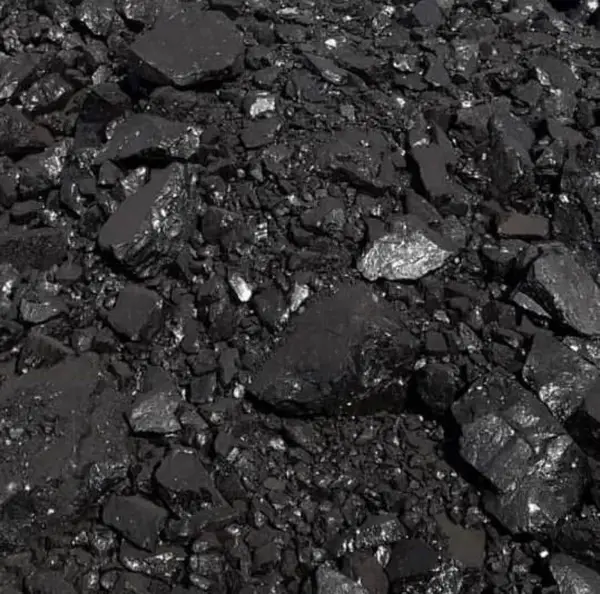
What Is Ash Content in Gilsonite?
Ash content in Gilsonite refers to the inorganic residue that remains after the material is burned. This parameter directly indicates purity, because higher ash levels show the presence of mineral impurities that reduce Gilsonite’s quality and performance.
Why Is Ash Content Important?
Low ash content ensures high purity, better consistency, and improved performance in applications such as asphalt, carbon black production, inks, and coatings.
In contrast, high ash content can cause equipment wear, reduce product quality, and limit industrial uses.
Factors That Influence Ash Content
Several variables affect ash percentage in Gilsonite:
• Geological origin
Different mineral compositions lead to different ash levels.
• Extraction methods
Poor extraction control increases contamination.
• Processing steps
Washing, screening, and drying impact purity.
Standard Methods for Measuring Ash Content
Ash content is determined using international standards such as:
• ASTM D482
Sample is heated at high temperature until all combustible matter burns off.
• ISO 3451
Measures inorganic residue after controlled combustion.
These tests ensure accurate, consistent quality evaluation.
Impact of High Ash Content
High ash content may cause:
-
Lower product purity
-
More maintenance due to equipment abrasion
-
Poorer performance in sensitive applications
-
Restrictions in cosmetics, pharmaceuticals, and automotive industries
Applications of Low-Ash Gilsonite
Gilsonite with low ash content is preferred in:
-
High-quality asphalt binders
-
Foundry coatings
-
Ink formulations
-
Drilling mud additives
These sectors require high purity for stable performance.
Technologies for Reducing Ash Content
Producers use several purification techniques:
• Washing systems
Remove surface impurities.
• Magnetic separation
Extracts iron-containing minerals.
• Flotation techniques
Separate lighter hydrocarbons from heavier minerals.
• Thermal treatments
Burn off unstable contaminants.
These steps result in cleaner, higher-quality Gilsonite.
Environmental Concerns
High ash content increases:
-
Combustion emissions
-
Waste production
-
Soil and water contamination risks
Therefore, producers must follow strict environmental standards.
Case Studies & Market Trends
Companies that reduce ash content gain a strong competitive advantage by offering:
-
Consistent quality
-
Better performance
-
International compliance
Demand for low-ash Gilsonite continues to rise in global markets.
Conclusion
Ash content is one of the most important quality indicators for Gilsonite. Through strict quality control, advanced purification technologies, and environmental management, producers can supply stable, high-purity Gilsonite for demanding industries.
FAQs About Ash Content
1. What is the acceptable ash content range?
It depends on the application, but lower ash levels are generally preferred for high-purity products.
2. How does high ash content affect performance?
It reduces purity, damages equipment, and limits the material’s usability in sensitive applications.
3. Can ash content be reduced?
Yes — methods like washing, magnetic separation, flotation, and thermal processes can lower ash levels.