Glycerine pharma, medical and cosmetic grade
What Is Glycerine?
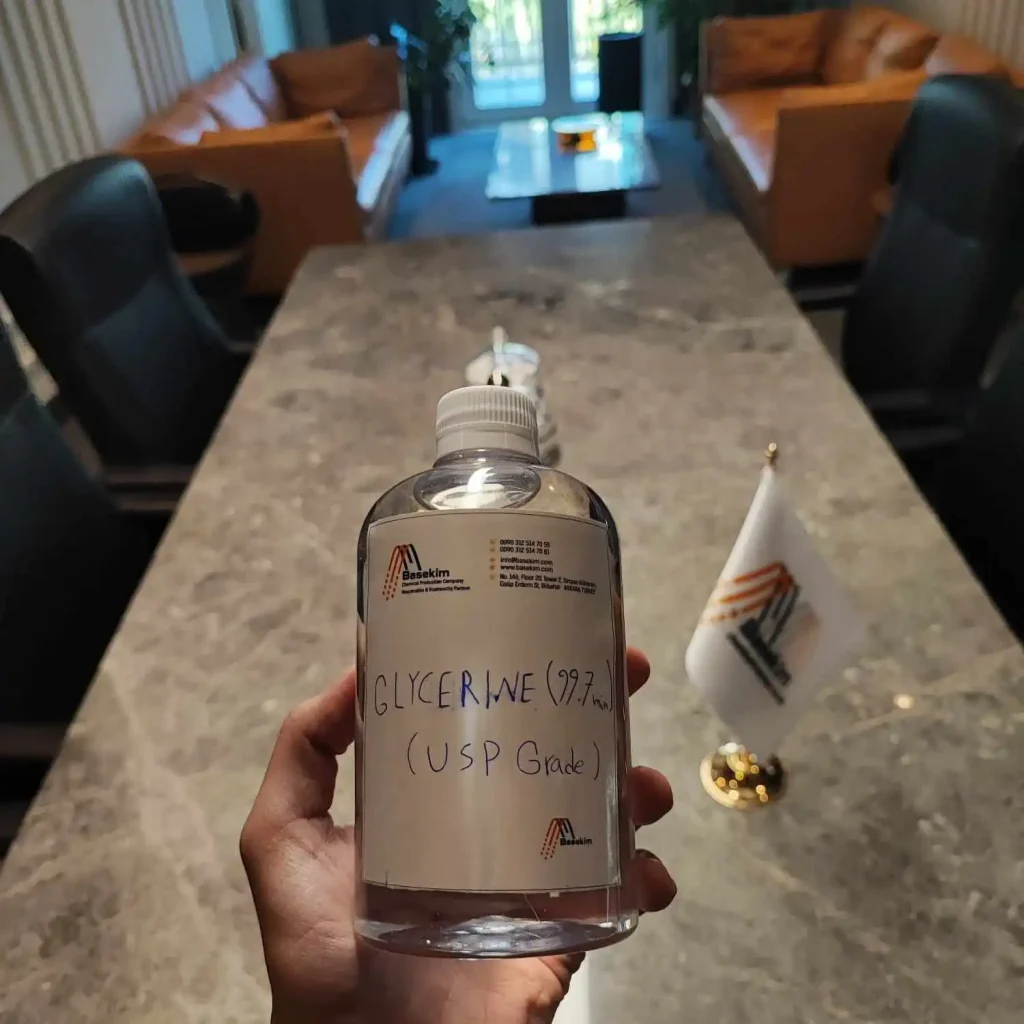
Glycerin, also known as glycerol or glycerine, is a clear, colorless, odorless, and sweet tasting liquid used across food, cosmetic, pharmaceutical, and industrial industries. This glycerin based compound belongs to the alcohol family and contains three hydroxyl (OH) groups, which give it excellent moisture retention properties. Because glycerin is non toxic, water soluble, and chemically stable, manufacturers rely on it as a humectant, solvent, and stabilizer in many everyday products.
Glycerin Explained in Simple Terms
In simple words, glycerin is an ingredient that helps products stay moist, smooth, and stable. This glycerol compound occurs naturally in plant oils and animal fats, and it can also be produced through controlled industrial processes. Regardless of the source, high quality glycerine delivers the same performance in formulations.
As a result, glycerin appears in daily use products such as soaps, creams, syrups, toothpaste, food items, and industrial fluids.
Why Glycerine Is Widely Used Across Industries
Industries choose glycerin because this versatile humectant performs several roles at once. Glycerol attracts moisture from the air, blends easily with water, and remains stable over long periods. In addition, glycerine improves texture and shelf life without irritation.
Key benefits of glycerin include:
Strong moisture retention ability
High chemical stability
Sweet taste without sugar crystallization
Non toxic and biodegradable nature
Excellent formulation compatibility
These advantages explain the global demand for glycerin.
Physical Properties of Glycerine
The physical properties of glycerine make it suitable for both sensitive and industrial applications.
Clear, transparent liquid
Colorless and odorless appearance
Naturally sweet taste
High viscosity
High boiling point
Fully soluble in water
Because glycerin does not evaporate easily and resists freezing, it performs well in long term storage and temperature sensitive environments.
Chemical Properties of Glycerol
Chemically, glycerol is a trihydric alcohol, meaning it contains three hydroxyl (OH) groups. These groups give glycerin its hygroscopic nature and excellent solubility.
Thanks to this structure:
Glycerin remains stable under normal conditions
Glycerol reacts gently and predictably
Glycerine blends well with many substances
This chemical behavior makes glycerin ideal for pharmaceutical, cosmetic, and food formulations.
How Glycerine Is Produced
Commercial glycerin is mainly produced as a by product of fats and oils processing. During processes such as:
Saponification (soap production)
Hydrolysis
Transesterification (biodiesel manufacturing)
glycerol separates from fatty acids.
After separation, crude glycerine undergoes purification through distillation and filtration. These steps increase glycerin purity to meet pharmaceutical, cosmetic, or food grade standards.
Pharmaceutical Uses of Glycerin
In pharmaceuticals, glycerin is widely used because of its safety, purity, and functional performance.
Common pharmaceutical applications of glycerol include:
Solvent for liquid medicines
Sweetener for syrups
Lubricant for tablets and capsules
Base material for suppositories
Pharmaceutical grade glycerine improves stability, taste, and patient acceptance.
Cosmetic and Personal Care Applications
Glycerin is one of the most important ingredients in skincare and personal care products. As a natural humectant, glycerol helps attract moisture and protect the skin barrier.
Glycerine is commonly found in:
Soaps and body washes
Face and hand creams
Lotions and moisturizers
Shampoos and conditioners
Perfumes and detergents
Cosmetic grade glycerin improves softness, hydration, and texture without clogging pores.
Glycerine in Food and Beverage Industry
Food grade glycerin is used as a humectant and sweetener in many food products. This glycerol based ingredient belongs to the carbohydrate group and prevents crystallization.
In foods and drinks, glycerine:
Improves texture and mouthfeel
Extends shelf life
Prevents drying
Enhances smoothness
It is commonly used in baked goods, confectionery, dairy products, beverages, and flavor extracts.
Industrial Applications of Glycerine
Beyond food and cosmetics, glycerin plays a vital role in industrial processes. Industrial grade glycerol offers lubrication, moisture control, and freeze protection.
Typical industrial uses include:
Paints and resins
Printing inks
Textile processing
Hydraulic systems
Anti freeze solutions
For example, glycerine helps prevent freezing in hydraulic jacks and protects mechanical instruments.
Glycerin in E-Liquids and Vaping
Vegetable glycerin is a main base component in e-liquids used for vaping. This form of glycerol is responsible for vapor production and smooth inhalation.
Manufacturers select high purity glycerine to ensure consistent vapor quality and controlled performance.
Packaging of Glycerine
Glycerin is supplied in various packaging options depending on volume and application:
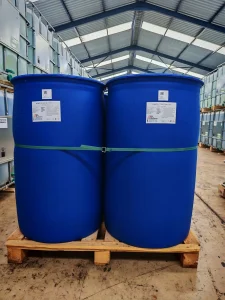
Plastic drums
Steel drums
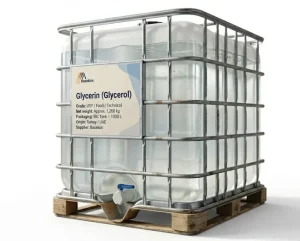
IBC tanks
Bulk tankers
Proper packaging protects glycerol quality during storage and transportation.
Glycerin Specification (USP Grade)
| Parameter | Specification | Test Method |
|---|---|---|
| Glycerol Content (% wt) | 98.0 min | USP 38 |
| Moisture Content (% wt) | 1.0 max | Karl Fischer |
| Specific Gravity (25/25 °C) | 1.2500 min | Density Meter |
| Color (APHA) | 10 max | AOCS Ea 9-65 |
| Residue on Ignition (% wt) | 0.01 max | USP 38 |
| Chloride (ppm) | 30 max | USP 38 |
| Sulphate (ppm) | 20 max | USP 38 |
| Heavy Metals (ppm Pb) | 5 max | USP 38 |
Cosmetic and Food Grade Glycerine
Cosmetic-grade glycerine usually has 99.2% minimum purity, while food grade glycerin reaches 99.5% or higher. Both grades meet strict safety standards and allow direct human contact.
Final Thoughts on Glycerin
Glycerin is a simple yet powerful ingredient that supports modern industries from healthcare and cosmetics to food and manufacturing. Thanks to its moisture retention ability, chemical stability, and safety, glycerol remains one of the most valuable compounds used worldwide.