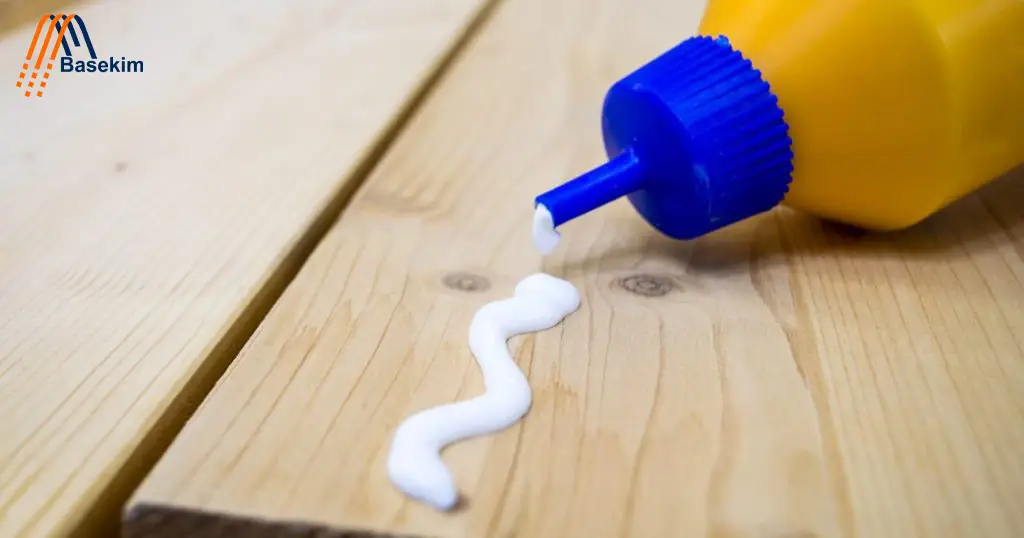
Wood glue is an engineered adhesive designed to bond wood to wood (or wood to compatible substrates) by penetrating fibers and creating a durable mechanical and chemical bond. It matters because the right wood glue directly affects joint strength, moisture resistance, production speed, and final product quality. Furniture manufacturers, panel producers, joinery workshops, and industrial assemblers rely on wood glue to achieve consistent bonds under controlled conditions. Choosing the correct type prevents failures, rework, and warranty issues before they happen.
What wood glue is made of and how it works
Most industrial wood glues use polymer based systems that cure through water evaporation, chemical reaction, or both. The adhesive flows into the wood’s cellular structure, then hardens to lock fibers together.
Common base chemistries include:
PVA (Polyvinyl Acetate) for general woodworking and interior use
Aliphatic resin for higher initial tack and machinability
Urea-formaldehyde (UF) for panel production and hot press applications
Polyurethane (PU) for moisture resistance and mixed substrates
Each system behaves differently under pressure, temperature, and humidity. That difference matters on a production line.
Main types of wood glue and where they are used
PVA-based wood glue
PVA glue dominates furniture and joinery applications. It applies easily, cleans with water before curing, and provides reliable strength for interior environments.
Typical uses:
Solid wood furniture
Cabinet assembly
Finger joints and edge gluing
Limitations:
Limited water resistance unless modified
Not suitable for exterior exposure without protection
Aliphatic resin wood glue
This is a modified PVA with faster set time and higher heat resistance. Many manufacturers prefer it for production efficiency.
Advantages:
Shorter clamp time
Better sanding characteristics
Strong initial grab
Urea-formaldehyde (UF) adhesives
Panel producers use UF systems in controlled factory environments. These adhesives cure under heat and pressure.
Common applications:
Plywood
MDF and particleboard
Veneer pressing
Key considerations:
Requires precise mixing and press control
Emissions must comply with formaldehyde standards (e.g., E1, CARB)
Polyurethane wood glue
PU adhesives react with moisture and bond a wider range of materials.
Where PU performs best:
Exterior wood components
Wood-to-metal or wood-to-plastic bonding
High humidity environments
Trade offs:
More difficult cleanup
Higher cost per unit
Performance factors buyers should evaluate
Experienced buyers look beyond “strong bond” claims and focus on process compatibility.
Key parameters include:
Open time: How long you can position parts before curing starts
Clamp time: How fast the joint reaches handling strength
Viscosity: Affects spread rate and glue consumption
Water resistance class: D2, D3, or D4 (EN 204)
Heat resistance: Important for post processing and transport
Matching these properties to your production method reduces waste and downtime.
Application and handling insights from real production lines
Inconsistent bonding often comes from application errors, not adhesive quality.
Best practices:
Apply glue evenly; dry spots weaken joints
Maintain recommended press pressure
Control wood moisture content, ideally 8–12%
Avoid over application, which increases squeeze out and cure time
Storage also matters. Most water based wood glues need protection from freezing and prolonged heat exposure to maintain stability.
Quality standards and compliance
Reputable suppliers test wood glue against recognized standards to ensure consistency.
Common references include:
EN 204 / EN 205 for durability classes
ASTM D905 for shear strength testing
ISO 9001 quality management systems
For panel adhesives, formaldehyde emission limits remain a critical procurement requirement.
Packaging and supply considerations
Industrial buyers often overlook logistics until it causes delays.
Typical packaging options:
Plastic pails (5–30 kg)
Drums (200 kg)
IBC tanks for large volume users
Basekim supplies wood glue grades suitable for export oriented buyers who require consistent batches, documentation, and stable lead times.
Limitations and honest considerations
No single wood glue fits every application. Interior PVAs fail outdoors. UF systems require capital intensive equipment. PU adhesives demand careful handling. Understanding these limits protects both product quality and reputation.
Conclusion: Is wood glue right for your operation?
Wood glue remains the backbone of wood based manufacturing because it offers predictable performance when matched correctly to the application. Buyers should define their environment, production speed, and durability needs before selecting a formulation. Reviewing technical data sheets and aligning adhesive properties with real process conditions is the smartest next step. A qualified supplier can help confirm suitability before scale-up and long-term supply commitment.