- About Us
- Contact Us
- English


Industrial Grade Petroleum Jelly – Reliable Protection for Industry
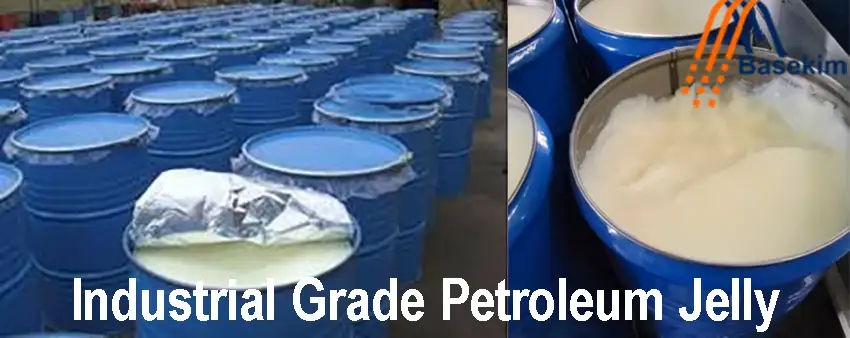
Industrial grade petroleum jelly is a semi-solid hydrocarbon material widely used in manufacturing, construction, maintenance, and heavy industries. It protects metal surfaces, seals equipment, improves lubrication, and prevents moisture damage. Because it offers stability, water resistance, and chemical neutrality, industries around the world rely on industrial grade petroleum jelly as a cost-effective and dependable material for daily operations.
Unlike cosmetic or pharmaceutical petroleum jelly, this grade focuses on performance rather than appearance or skin contact. It delivers strong protective and mechanical properties, even in harsh environments. As a result, manufacturers choose it when durability, consistency, and efficiency matter most.
What Is Industrial Grade Petroleum Jelly?
Industrial grade petroleum jelly is a petroleum-derived, semi-solid mixture of hydrocarbons. Refineries produce it by carefully refining heavy mineral oils and waxes until they form a smooth, stable gel. This process removes unwanted impurities while preserving the material’s protective and lubricating nature.
This grade does not undergo the extreme purification required for medical or cosmetic use. Instead, producers design it for technical and mechanical applications. Therefore, it performs best in factories, workshops, power plants, and construction sites.
Because it stays stable over a wide temperature range, industrial grade petroleum jelly remains effective in both hot and cold conditions. Moreover, it resists water, oxidation, and mild chemicals, which makes it ideal for long-term industrial use.
Key Properties of Industrial Grade Petroleum Jelly
Industrial buyers select materials based on performance. Industrial grade pet jelly stands out because of its balanced physical and chemical properties.
Semi-Solid and Stable Structure
This material holds its shape at room temperature while softening slightly under heat. Therefore, it spreads easily without dripping or flowing uncontrollably.
Excellent Water Resistance
Industrial grade pet jelly repels water completely. As a result, it protects metal parts from rust, corrosion, and moisture damage.
Chemical Inertness
It does not react with most metals, plastics, or rubber materials. Consequently, it works safely in mixed-material systems.
Strong Lubricating Ability
It reduces friction between moving parts. Therefore, it helps equipment run smoother and last longer.
Oxidation Resistance
The material resists breakdown when exposed to air. This property ensures long storage life and stable performance.
How Industrial Grade Petroleum Jelly Is Produced
Refineries produce industrial grade pet jelly through a controlled refining process. First, they extract heavy petroleum fractions from crude oil. Next, they refine and blend these fractions with wax components to achieve the desired consistency.
After blending, producers filter the material to remove solid impurities. Finally, they cool and package it in bulk containers such as drums, cartons, or pails.
Because the process focuses on functional performance, manufacturers adjust parameters like penetration, dropping point, and oil content to meet industrial requirements. This flexibility allows suppliers to offer different grades for different applications.
Industrial Applications of Petroleum Jelly
Industrial grade petroleum jelly supports many industries. Its versatility makes it one of the most widely used petroleum-based materials.
Metal Protection and Rust Prevention
Factories apply industrial grade petroleum jelly on metal surfaces to prevent rust during storage or transport. It creates a moisture-proof barrier that blocks oxygen and water.
Cable and Wire Coating
Manufacturers use it to coat electrical cables and terminals. Because it repels moisture, it protects connections from corrosion and oxidation.
Lubrication in Machinery
Although it is not a replacement for high-speed oils, industrial grade petroleum jelly works well in low-speed or assembly-stage lubrication. It reduces friction and wear during installation.
Rubber and Plastic Processing
Rubber manufacturers use it as a mold-release agent and processing aid. It prevents sticking and improves surface finish.
Construction and Waterproofing
In construction, workers use it to protect bolts, joints, and exposed metal parts. It also supports waterproofing systems where long-term moisture resistance is needed.
Packaging and Storage Aid
Industries apply petroleum jelly on threaded parts, valves, and fittings before storage. This step ensures easy removal and clean operation later.
Industrial Grade vs Cosmetic and Medical Petroleum Jelly
Understanding the differences between grades helps buyers choose the right product.
Industrial grade petroleum jelly focuses on performance, not purity for skin contact. Cosmetic and medical grades require extensive purification, color control, and odor removal. Therefore, they cost more.
In contrast, industrial grade petroleum jelly may appear darker or have a mild petroleum odor. However, this does not reduce its effectiveness in technical applications. Instead, it provides better value for large-scale industrial use.
Typical Technical Specifications
Although specifications vary by producer, Industrial grade pet jelly usually follows standard industrial ranges:
Penetration (25°C): Medium to high, depending on application
Dropping Point: Stable under moderate heat
Oil Content: Balanced for lubrication and structure
Color: Amber to dark yellow
Odor: Mild petroleum smell
Many suppliers align these values with ASTM testing methods to ensure consistent quality.
Advantages of Using Industrial Grade Petroleum Jelly
Industrial users benefit from this material in several ways:
Long-lasting protection against corrosion
Simple application with brush, cloth, or spray
Reduced maintenance costs
Extended equipment lifespan
Stable performance in changing climates
Because of these advantages, industries rely on it as a basic yet powerful protective solution.
Storage and Handling Guidelines
Proper storage ensures maximum performance.
Store industrial grade petroleum jelly in sealed containers, away from direct sunlight and extreme heat. Although it remains stable, prolonged exposure to high temperatures may soften the product excessively.
Workers should use clean tools when handling the material. This practice prevents contamination and maintains product quality.
Environmental and Safety Considerations
Industrial grade petroleum jelly is non-toxic and non-hazardous under normal industrial use. However, operators should avoid releasing large amounts into soil or water systems.
Most producers provide Safety Data Sheets (SDS) that outline proper handling, disposal, and first-aid measures. Following these guidelines ensures safe and responsible use.
Choosing the Right Supplier
Quality matters in industrial applications. A reliable supplier offers consistent specifications, proper packaging, and export-ready documentation. They also provide technical support to help buyers select the right grade for their needs.
When evaluating suppliers, industries should check production standards, testing methods, and logistical capability. A dependable supply chain ensures uninterrupted operations.
Future Demand for Industrial Grade Petroleum Jelly
Global industrial growth continues to drive demand for protective and lubricating materials. As infrastructure, manufacturing, and energy sectors expand, industrial grade petroleum jelly remains essential.
Its low cost, wide availability, and proven performance ensure it will remain a core industrial material for years to come.
Final Thoughts
Industrial grade petroleum jelly plays a vital role in modern industry. It protects metal, improves lubrication, prevents corrosion, and supports manufacturing efficiency. Because it delivers reliable performance at a reasonable cost, industries worldwide depend on it every day.
By understanding its properties, applications, and benefits, buyers can confidently select industrial grade petroleum jelly as a smart, practical solution for long-term industrial use.
FAQ 1: What is Industrial Grade Petroleum Jelly mainly used for?
Industrial Grade Pet Jelly is primarily used in machinery lubrication, cable filling, rust prevention, and protective coatings. Because it withstands heat, moisture, and harsh environments, it is ideal for industries such as automotive, electrical, and manufacturing.
FAQ 2: How does Industrial Grade Petroleum Jelly differ from cosmetic and pharma grades?
Unlike cosmetic or pharma grades, Industrial Grade Petroleum Jelly is not designed for direct skin or medical use. Instead, it focuses on durability and performance in technical applications. It offers resistance against corrosion, friction, and environmental stress, making it suitable for industrial processes.
Share On
Contact Info
Turkey office:No.6 of Fahrettin Pasa Sokak , Galip Erdem steet, Ilkbahar Mah. Turan Gunes Ave. Çankaya Ankara
Phone:00903125147055
Dubai office: 3509 of the Burligton tower, business bay, Dubai-UAE
Phone:0097142369830