- About Us
- Contact Us
- English


Bitumen 160/220
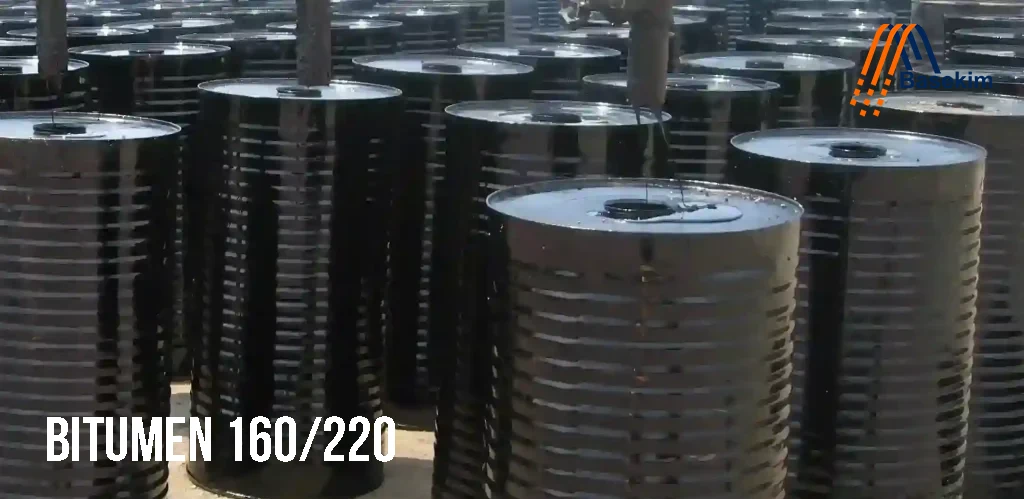
Bitumen 160/220 is a highly flexible penetration-grade bitumen widely used in asphalt production, road construction, pavement rehabilitation, and infrastructure projects. Because it offers a penetration range of 160–220 dmm, this grade provides exceptional softness, easy workability, and smooth blending properties, especially at lower temperatures. It is one of the preferred binders for regions where asphalt must remain flexible under cold conditions or where construction requires rapid compaction and quick mixing performance. Many engineers, traders, and asphalt plants choose bitumen 160/220 from Basekim because it delivers consistent quality, excellent thermoplastic behavior, and full compliance with global standards like ASTM and EN 12591.
Understanding the Key Properties of Bitumen 160/220
Bitumen 160/220 is produced through vacuum bottom distillation followed by controlled oxidation (air blowing). This refining and conditioning process creates a petroleum binder with predictable characteristics suitable for flexible pavement structures.
Core Features
Penetration: 160–220 dmm
Softening Point: 35–43°C
High workability at low to medium temperatures
Fast melting and mixing behavior
Strong adhesion to aggregates
Excellent handling during cold-weather paving
Because it softens quickly when heated and hardens when cooled, the material adapts effectively to seasonal temperature shifts. Moreover, its low softening point improves mixing efficiency at asphalt plants while maintaining strong cohesive bonding after cooling.
Why Bitumen 160/220 Is Used in Flexible Pavements
One of the biggest advantages of Bitumen 160/220 is its ability to stay flexible even in cold climates. Therefore, it reduces cracking, minimizes thermal stress, and improves pavement durability. This makes the grade particularly valuable in:
Northern countries with cold winters
Mountainous roads
Areas with freeze–thaw cycles
Regions that require fast compaction of asphalt
Because it maintains softness without sacrificing adhesion, this grade enhances pavement elasticity and overall fatigue resistance.
Main Applications of Bitumen 160/220
Bitumen 160/220 plays a crucial role across many construction sectors. Its high penetration value and thermoplastic behavior make it suitable for:
1. Hot Mix Asphalt (HMA) Production
Contractors use this grade extensively in base layers, binder courses, and wearing courses. Its excellent mixability helps plants reduce fuel consumption and production time.
2. Pothole Repair and Asphalt Maintenance
Because of its easy flow and quick bonding properties, Bitumen 160/220 allows workers to fix damaged surfaces quickly and efficiently.
3. Surface Dressing and Cold Regions
In cold climates, stiffer binders often crack. Bitumen 160/220 remains soft enough to resist brittleness, making it ideal for surface dressing and cold applications.
4. Lightweight asphalt mixes
Its softness helps produce mixes that require lower compaction temperatures.
5. Pavement overlays
It provides reliable adhesion between new layers and existing surfaces, boosting structural performance.
6. Road construction in high-altitude or cold-weather zones
Because of its flexibility, it withstands harsh winter cycles and maintains bond strength.
As a result, this grade is often the first choice for countries across Northern Europe, Central Asia, Canada, the UK, high-altitude regions, and cold coastal environments.
Specifications and Quality Assurance
To guarantee consistent performance, manufacturers and suppliers follow strict international standards like ASTM and EN 12591. Every batch undergoes the following QC checks:
Standard Tests Performed:
Penetration test
Softening point measurement
Viscosity check
Solubility test
Loss-on-heating test
Spot test
Flash point evaluation
Specific gravity measurement
Moreover, third-party inspectors such as SGS, Bureau Veritas, and Cotecna often supervise sampling, sealing, and loading operations. These measures ensure each shipment meets regulatory requirements and customer expectations.
Technical Performance Advantages of Bitumen 160/220
Bitumen 160/220 remains popular because it balances flexibility, thermoplastic performance, and adhesion. Here are its main advantages:
1. Superior Flexibility
Its high penetration value keeps the asphalt elastic at low temperatures, reducing thermal cracking.
2. Easy Mixing and Workability
Because it melts quickly, the asphalt plant requires less heating time, lowering fuel costs.
3. Strong Bonding
Its natural adhesive properties improve aggregate coating, resulting in longer-lasting pavements.
4. Lower Compaction Temperatures
Contractors can compact asphalt efficiently at lower temperatures, reducing equipment wear and saving time.
5. Improved Fatigue Life
Roads last longer because the binder absorbs stress without breaking.
6. Reduced Maintenance Costs
Because surfaces crack less and resist fatigue better, maintenance intervals are extended, reducing overall project expenses.
7. Excellent Performance in Cold Climates
Its softness prevents brittleness, especially during winter, which protects pavements from sudden failures.
Packaging Options for Bitumen 160/220
Basekim provides Bitumen 160/220 in packaging formats suitable for exporters, asphalt plants, contractors, and distributors:
New Steel Drums (150–180 kg)
1-Ton Jumbo Bags
Bulk Bitumen Tankers
Flexi-Tank Containers
Meltable Polybags (on request)
Customized packaging options
Each packaging method ensures safety, prevents contamination, and preserves the product’s integrity during long-distance transport.
Logistics and Global Shipping
Bitumen 160/220 requires careful loading and handling. Because Basekim operates from strategic hubs in Turkey and the UAE, we ensure:
Fast container loading
Proper heating and pumping systems
Timely export documentation
Global shipping to more than 50 countries
Full tracking and logistics support
With reliable operations and flexible INCOTERMS, Basekim supports clients in Europe, Africa, Asia, and South America.
Correct Handling and Safety Guidelines
Although Asphalt 160/220 is stable, safe handling is essential. Follow these guidelines during storage and application:
Safety Tips:
Wear heat-resistant gloves, protective clothing, and goggles
Maintain proper ventilation during heating
Avoid overheating to prevent foaming or burns
Keep fire extinguishers nearby
Store drums in a cool, shaded area
Maintain bulk tank temperature around 120–140°C
By following safe handling practices, workers reduce risks and maintain product quality during application.
Why Choose Bitumen 160/220 From Basekim
Basekim ensures that Bitumen 160/220 meets all ASTM and EN 12591 requirements. Furthermore, every shipment includes:
COA (Certificate of Analysis)
MSDS (Material Safety Data Sheet)
QC test results
Third-party inspection (optional)
Full documentation for export clearance
Global delivery with guaranteed loading schedules
Because of our strict quality control, strong logistics network, and customer-first approach, Basekim has become a trusted supplier for government contractors, asphalt plants, and industrial buyers worldwide.
In Summary
Bitumen 160/220 delivers exceptional flexibility, thermoplastic behavior, strong adhesion, and easy mixability—making it the perfect choice for cold regions, high-altitude roads, overlays, and repair works. Moreover, Basekim enhances your project with guaranteed quality, verified standards, safe packaging, and on-time global delivery.
When you choose Bitumen 160/220 from Basekim, you gain a reliable partner that supports your toughest infrastructure projects with consistency, compliance, and world-class logistics.
1. Where is Bitumen 160/220 commonly used?
Bituminous 160/220 is mainly used for cold climate road construction, roofing materials, and flexible asphalt mixes. Moreover, its soft consistency helps prevent surface cracking in low-temperature regions.
2. How do you package and transport Bitumen 160/220?
We package Grade 160/220 in steel drums, poly bags, and bulk tankers. Consequently, our logistics team ensures safe, clean, and timely delivery worldwide.
3. Why is Basekim a trusted supplier of 160/220?
Basekim delivers high-quality bitumen, competitive pricing, and fast shipping solutions. Therefore, buyers receive reliable products and excellent service for every project.

Contact Info
Ankara Office
No.6, Fahrettin Pasa St. (613), Ilkbahar, Cankaya – Ankara
Tel: +90 312 514 70 55
Istanbul Office
No. 219, Sogut St., No.20, T4A Block, Maslak, Sariyer – Istanbul
Tel: +90 212 807 22 33
Dubai Office
No.3509, The Burlington Tower, Business Bay, Dubai – UAE
Tel: +971 4 236 98 30