- About Us
- Contact Us
- English


Petroleum Jelly (Vaseline) – A Trusted Multi-Industry Solution
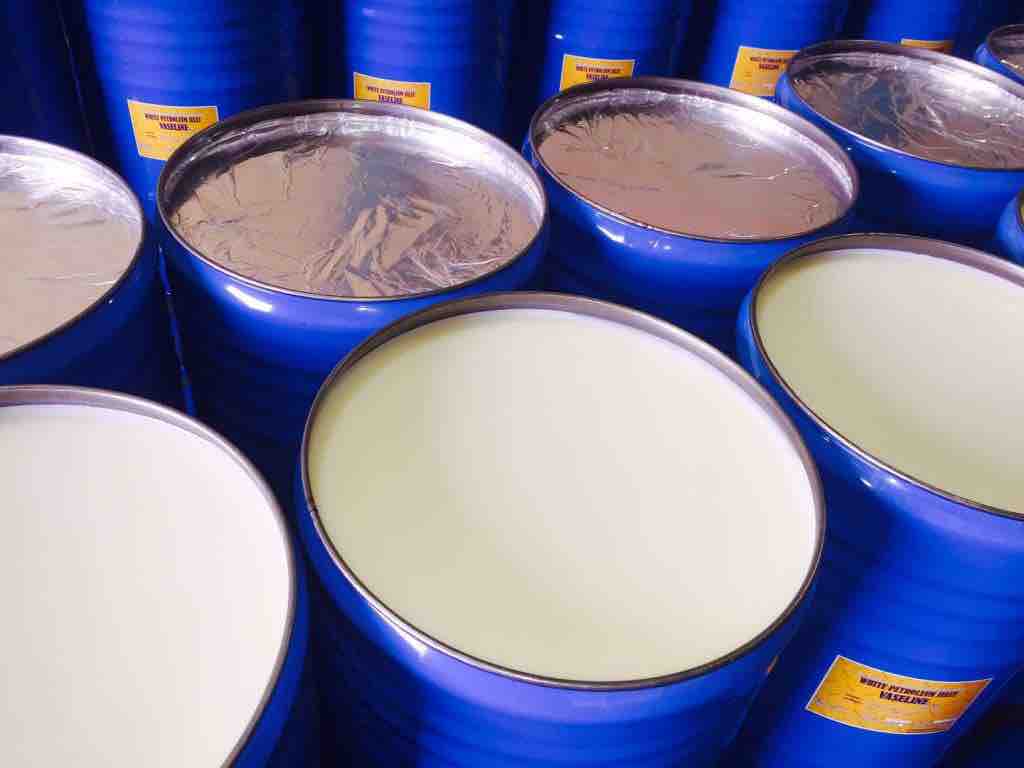
Petroleum jelly remains one of the most dependable petroleum-derived materials used across global industries. Manufacturers rely on it for protection, lubrication, and moisture control, while traders value its long shelf life and stable performance. Because this versatile jelly works in personal care, pharmaceuticals, rubber, cables, and packaging, global demand continues to grow steadily.
As demand rises, buyers look beyond price. They seek consistency, purity, and dependable logistics. That is why choosing a professional supplier plays a critical role in long-term business success.
Understanding Petroleum Jelly and Its Core Value
Petroleum jelly is a semi-solid hydrocarbon compound produced through controlled refining of petroleum fractions. During this process, refiners remove impurities to achieve the desired color, odor level, and texture. The result is a smooth, stable jelly that resists moisture, oxidation, and temperature changes.
Unlike liquid oils or brittle waxes, this petroleum-based jelly spreads easily and forms a protective barrier on contact. Because of this balance, it performs well in both delicate and industrial environments.
Key advantages include:
Strong resistance to water and air
Long storage stability
Chemical neutrality
Compatibility with many materials
Easy handling and application
Is Vaseline Different from Petroleum Jelly?
Many buyers use the word vaseline when referring to refined petroleum jelly. In practice, vaseline is a brand name, while petroleum jelly describes the product category itself.
In commercial markets, both terms point to the same functional material. What truly matters is not the name, but the refining level, quality control, and consistency provided by the supplier.
For this reason, professional buyers evaluate specifications rather than branding.
Why This Product Remains in High Global Demand
Refined jelly compounds continue to play a vital role in modern manufacturing because they solve multiple challenges at once. They protect surfaces, improve flexibility, seal moisture, and extend product life.
Industries value this material because it:
Simplifies formulations
Reduces maintenance costs
Performs consistently in hot and cold climates
Works in both consumer and industrial goods
As a result, international buyers constantly search for reliable sources that can deliver steady quality in bulk volumes.
Industrial Uses Across Multiple Sectors
Cosmetics and Personal Care Manufacturing
Producers use cosmetic-grade jelly bases in creams, lotions, lip products, and hair treatments. It improves texture, prevents moisture loss, and enhances skin protection without reacting with active ingredients.
Pharmaceutical Applications
Highly refined grades act as carriers for topical medicines and protective skin barriers. These grades require strict quality control and low impurity levels.
Rubber and Polymer Processing
Rubber manufacturers apply this material to improve flexibility, reduce friction, and enhance surface finish. It also supports smoother processing during production.
Metal Protection and Industrial Lubrication
Industries apply petroleum-derived jelly to protect tools, fasteners, and components from rust during storage and transport.
Cable and Packaging Industries
Cable producers rely on jelly compounds to block moisture penetration, while packaging companies use them to protect sensitive materials.
What Professional Buyers Expect from a Supplier
A serious supplier must deliver more than availability. Buyers expect:
Uniform texture and appearance
Stable melting behavior
Low odor and controlled impurities
Reliable batch consistency
Export-ready packaging options
Without these standards, manufacturers risk quality issues and customer dissatisfaction.
Bulk Supply and Export Capabilities
International buyers often require large volumes, flexible packaging, and accurate documentation. A professional exporter supports clients with:
Drum, carton, and bulk packing
Climate-resistant handling
Clear technical data
Stable delivery schedules
These factors reduce supply chain risk and protect production timelines.
Grades and Specifications of Petroleum jelly
This product is available in several grades depending on application:
Industrial grade for lubrication and protection
Cosmetic grade for skincare and beauty products
Pharmaceutical grade for medical use
Selecting the correct grade ensures compliance, safety, and performance.
Storage and Handling Benefits
One of the strongest advantages of refined petroleum jelly is easy storage. When sealed properly and kept away from direct heat, it maintains quality for extended periods.
Recommended practices include:
Store in clean, sealed containers
Avoid contamination
Maintain moderate temperatures
These characteristics make it ideal for long-distance shipping and bulk trade.
Strategic Global Supply
Buyers prefer suppliers located near major refining and logistics hubs. This approach improves delivery speed and supply stability.
Basekim operates as a petroleum jelly supplier from the UAE and Turkey, serving regional and international buyers with consistent quality and export-ready logistics.
Why Quality Outweighs Price
Low-quality jelly compounds often cause formulation instability, surface defects, or odor problems. These issues increase costs over time.
Experienced buyers choose partners who focus on:
Reliable refining standards
Transparent specifications
Long-term supply consistency
This strategy protects brand reputation and production efficiency.
The Role of Petroleum Jelly in Modern Manufacturing
Despite advances in materials science, petroleum-based jelly remains essential. Its simplicity, safety, and adaptability keep it relevant across industries.
Manufacturers continue to rely on it because it delivers dependable performance without complexity.
Selecting the Right Global Partner
Choosing the right supplier requires careful evaluation of production capacity, quality control, and export experience.
Basekim supports global buyers as a vaseline supplier with supply bases in the UAE and Turkey, delivering consistent quality and reliable international service.
Final Conclusion
Petroleum jelly continues to be a cornerstone material in global manufacturing. Its ability to protect, stabilize, and perform across industries makes it irreplaceable. However, true value comes from consistent quality and professional supply.
Share On
Q1: Is petroleum jelly vaseline safe for daily use?
Yes, this skin jelly is safe for most skin types and can be applied daily.It rarely does. However, people with oily skin should apply it lightly.
Q2: Can pet jelly vaseline clog pores?
It rarely does. However, people with oily skin should apply it lightly.
Contact Info
Turkey office:No.6 of Fahrettin Pasa Sokak , Galip Erdem steet, Ilkbahar Mah. Turan Gunes Ave. Çankaya Ankara
Phone:00903125147055
Dubai office: 3509 of the Burligton tower, business bay, Dubai-UAE
Phone:0097142369830