


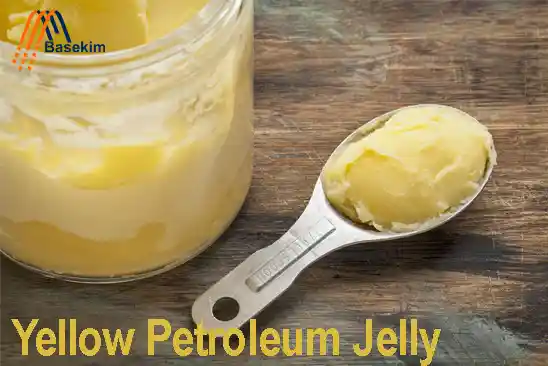
Yellow petroleum jelly is a trusted, multi-purpose material used every day in industrial operations, cosmetic formulations, and technical maintenance worldwide. Because it offers excellent lubrication, moisture protection, and surface sealing, manufacturers continue to rely on it across many sectors. Unlike white petroleum jelly, yellow pet jelly has a natural yellow color that comes from a lower level of refining. However, this difference does not reduce its core performance. Instead, it makes yellow pet jelly a cost-effective and practical solution for applications where ultra-high purity is not required. From protecting skin and tools to improving equipment performance, this versatile product delivers consistent results. Today, global buyers source yellow petroleum jelly in bulk from experienced exporters such as Basekim, which supplies high-quality petroleum jelly from the UAE and Turkey to international markets.
What Is Yellow Petroleum Jelly?
Yellow petroleum jelly is a semi-solid blend of hydrocarbons made from refined crude oil. It consists mainly of mineral oils and waxes that create a smooth, greasy, gel-like texture. The product is nearly odorless, stable, and chemically inert, meaning it does not easily react with other substances.
The yellow color indicates that this petroleum jelly has undergone less intensive refining than white petroleum jelly. During the refining process, small amounts of natural oils and waxes remain, giving it a yellowish appearance. These trace components are generally harmless and do not affect the product’s ability to lubricate, protect, or seal surfaces.
Historically, petroleum jelly was discovered in the 19th century during oil drilling operations. Over time, refiners improved its quality and adapted it for commercial and industrial use. Today, yellow vaseline remains an essential material because it combines reliability, affordability, and wide usability.
Yellow Petroleum Jelly vs White Petroleum Jelly
Although both products come from the same petroleum source, they serve slightly different purposes.
White petroleum jelly undergoes additional purification steps. This removes color, odor, and impurities, making it suitable for pharmaceutical, cosmetic, and medical applications that require very high purity.
Yellow petroleum jelly, on the other hand, is less refined. As a result, it keeps a yellow tint and may have a faint petroleum smell. Because of this, manufacturers mainly choose it for industrial, technical, and general-purpose uses where color and cosmetic appearance are not critical.
Despite this difference, both types share important characteristics:
Water-repellent (hydrophobic)
Chemically stable
Non-reactive
Excellent barrier against moisture and air
For many buyers, yellow pet jelly provides the same performance at a more economical price point.
Key Properties of Yellow Petroleum Jelly
Yellow petroleum jelly remains popular because of its practical physical and chemical properties:
Semi-solid consistency that stays stable across a wide temperature range
Strong moisture barrier that prevents water penetration
Good lubricating ability that reduces friction and wear
Chemical inertness, making it safe for contact with many materials
Long shelf life without separation or degradation
These features allow it to perform well in demanding environments.
Applications of Yellow Petroleum Jelly
Yellow petroleum jelly supports a wide range of uses across multiple industries. Its versatility is one of its greatest advantages.
Personal Care and Cosmetic Applications
Although white petroleum jelly dominates high-end cosmetics, yellow petroleum jelly still plays an important role in personal care.
Skin Moisturizer and Protector
It helps soften dry skin, cracked heels, elbows, and rough hands. By forming a protective layer, it reduces moisture loss and shields skin from cold air and harsh conditions.
Lip and Hair Products
Manufacturers use it in lip balms, hair pomades, and styling products where shine and texture matter more than color clarity.
Base for Cosmetic Formulations
It blends easily with fragrances, oils, and active ingredients, making it a useful base material in creams, balms, and salves.
Medical and Pharmaceutical Uses
When refined to appropriate standards, yellow petroleum jelly also supports medical-related applications.
Wound Protection
It creates a barrier over minor cuts and burns, keeping out dirt and reducing dryness. This helps the healing process while preventing bandages from sticking.
Medical Lubrication
Healthcare providers use it to lubricate instruments such as thermometers, gloves, and catheters, ensuring smooth and comfortable use.
Ointment Base
Many topical medications rely on petroleum jelly to hold active ingredients in place and improve skin contact.
Industrial and Technical Applications
This is where yellow petroleum jelly truly stands out.
Machinery Lubrication
It reduces friction in light-duty gears, hinges, bearings, and sliding components. As a result, equipment operates more smoothly and lasts longer.
Rust and Corrosion Protection
By blocking moisture and oxygen, it protects tools, metal parts, and battery terminals from rust and oxidation.
Sealing and Gasketing
Engineers apply it to threads, O-rings, and gaskets to improve sealing performance and simplify future disassembly.
Electrical Insulation
It prevents moisture buildup on electrical connections, spark plugs, and cable terminals, reducing corrosion and power loss.
Mold Release Agent
Manufacturers use it to coat molds in rubber, plastic, plaster, and fiberglass production. This ensures clean release and protects mold surfaces.
Leather and Rubber Conditioning
It helps maintain flexibility in leather goods, rubber seals, hoses, and belts by preventing cracking and drying.
Advantages of Yellow Petroleum Jelly for Buyers
Choosing yellow petroleum jelly offers several commercial benefits:
Cost efficiency compared to fully refined white petroleum jelly
Wide availability in bulk quantities
Multi-industry usability from cosmetics to heavy industry
Low maintenance storage with long shelf life
Reliable performance under varied conditions
For large-scale users, these advantages translate into reduced operating costs and consistent quality.
Packaging Options and Bulk Supply
Suppliers typically offer yellow petroleum jelly in different packaging formats to suit various needs:
Small jars for retail or laboratory use
Pails for workshops and production facilities
Steel drums for industrial bulk consumption
Choosing the right packaging helps minimize waste and handling costs.
Quality Standards and Certifications
Before purchasing, buyers should always verify product quality. Reputable suppliers provide documentation such as:
Technical Data Sheet (TDS)
Material Safety Data Sheet (MSDS)
Compliance with USP, BP, or cosmetic standards when required
Consistent texture, smooth appearance, and minimal odor indicate good quality.
Choosing the Right Supplier
A dependable supplier ensures stable quality, proper documentation, and on-time delivery. Experienced exporters understand international regulations, packaging requirements, and logistics challenges. Basekim, with supply bases in the UAE and Turkey, delivers yellow petroleum jelly for cosmetic, medical, and industrial use, supporting global buyers with export-ready service and consistent product quality.
Storage and Handling Tips
Proper storage preserves performance:
Store in a cool, dry place
Keep containers tightly sealed
Avoid direct sunlight and excessive heat
Use clean tools during handling to prevent contamination
Following these steps helps maintain quality over long periods.
Final Thoughts
Yellow petroleum jelly remains an essential material for industries and manufacturers worldwide. Its balance of performance, versatility, and affordability makes it a smart choice for applications ranging from skin protection to heavy-duty industrial maintenance. By understanding its properties, uses, and quality requirements, buyers can make confident purchasing decisions. With the right supplier and proper handling, yellow petroleum jelly delivers dependable results across countless applications.