- About Us
- Contact Us
- English


Bitumen CB30 – Reliable Water-Based Emulsion for Smart Road Construction
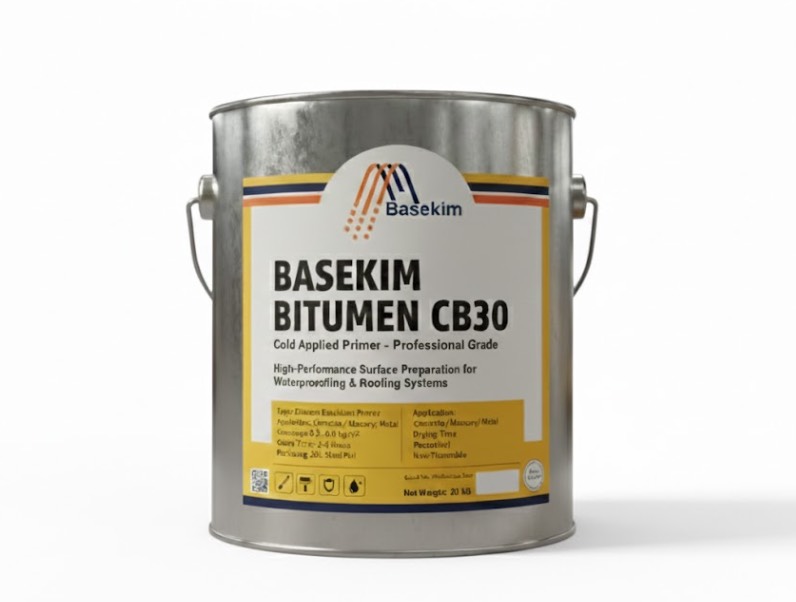
When contractors need a clean, easy-to-apply binder for surface dressing, tack coating, or light road maintenance, Bitumen CB30 becomes a practical solution. This water-based bitumen emulsion is designed for controlled curing, smooth spraying, and strong adhesion between asphalt layers. It reduces heating requirements, improves job-site safety, and offers consistent performance in different climates. If you are searching for a dependable Bitumen CB30 supplier or comparing Bitumen CB30 price, this guide explains everything in clear, practical language.
What Is Bitumen CB30?
Bitumen CB30 is a water-based cutback/emulsion type binder where bitumen is dispersed in water using emulsifying agents. Unlike traditional hot asphalt, it does not require high temperatures during application.
Because of its fluid nature, CB30 penetrates well into granular surfaces and existing pavements. After application, the water evaporates (or “breaks”), leaving a uniform bitumen film that binds aggregates together.
In simple words:
It is designed to make road construction safer, easier, and more efficient.
Why Contractors Choose Bitumen CB30
In real project conditions, speed and safety matter. Bitumen CB30 offers several practical advantages:
-
No need for heavy heating systems
-
Lower fuel consumption on site
-
Safer handling compared to hot grades
-
Excellent penetration into dusty or porous surfaces
-
Uniform coating of aggregates
-
Reduced environmental impact due to water base
Many contractors who traditionally used bitumen mc 30 switch to CB30 in projects where water-based systems are preferred for safety or environmental compliance.
How Bitumen CB30 Works on Site
When sprayed onto a prepared surface:
-
The emulsion spreads evenly.
-
It penetrates small voids and surface pores.
-
Water starts evaporating.
-
Bitumen residue remains and forms a strong adhesive layer.
-
The next asphalt layer bonds properly.
This bonding effect is critical in road durability. Poor adhesion often leads to early cracking or stripping. Properly applied CB30 significantly reduces that risk.
Main Applications of Bitumen CB30
Bitumen CB30 is commonly used for:
1. Prime Coat
Applied over granular base before asphalt laying. It stabilizes dust and improves bonding.
2. Tack Coat
Creates adhesion between existing asphalt and new overlay.
3. Surface Dressing
Used in light traffic roads and rural roads.
4. Maintenance & Repair
Ideal for patching and small-scale rehabilitation works.
Compared to heavy oxidized grades such as bitumen 115/15, CB30 is not designed for waterproofing or industrial insulation. Its primary role is road bonding and surface preparation.
Technical Characteristics of Bitumen CB30
Although specifications may vary slightly by production source, typical properties include:
-
Medium viscosity for easy spraying
-
Controlled breaking time
-
Strong adhesion to aggregates
-
Stable emulsion structure
-
Uniform bitumen residue after curing
Unlike penetration grades such as bitumen 60/70, which are applied hot, CB30 is applied at ambient or slightly elevated temperatures, reducing operational risks.
Storage & Handling Guidelines
From field experience, storage quality directly impacts performance.
Recommended storage practices:
-
Store in clean steel tanks
-
Avoid freezing temperatures
-
Maintain gentle circulation if stored long term
-
Protect from contamination
Shelf life is typically several months under proper conditions.
Always mix gently before application to ensure uniform consistency.
Environmental & Safety Benefits
One of the main reasons governments prefer water-based emulsions is environmental safety.
CB30:
-
Produces fewer volatile emissions
-
Reduces fire hazard
-
Minimizes heating fuel consumption
-
Lowers worker exposure to extreme temperatures
In projects where sustainability reporting matters, this product becomes a strategic choice.
Bitumen CB30 vs Other Road Binders
Understanding the difference helps buyers make better decisions.
| Feature | Bitumen CB30 | Penetration Grade | Oxidized Grade |
|---|---|---|---|
| Application Temp | Low | High | High |
| Main Use | Prime/Tack Coat | Asphalt Mix | Waterproofing |
| Safety Level | High | Moderate | Moderate |
| Flexibility | Good | Very Good | Lower |
If your project requires structural asphalt mixing, penetration grades are suitable. But if bonding layers is your main goal, CB30 is more efficient.
Quality Control & Testing
Professional suppliers perform strict quality checks including:
-
Viscosity measurement
-
Residue percentage test
-
Stability test
-
Storage stability analysis
-
Adhesion performance test
Reliable exporters provide COA (Certificate of Analysis) with every shipment.
When evaluating a Bitumen CB30 supplier, always request laboratory documentation.
Packaging Options for Export
Depending on project size and logistics, CB30 is typically supplied in:
-
Steel drums (200 kg)
-
IBC tanks
-
Bulk tankers
-
Flexi tanks
Bulk supply is more economical for large infrastructure projects.
Export packaging must prevent leakage and contamination during long sea transit.
Bitumen CB30 Price Factors
When buyers analyze Bitumen CB30 price, several variables affect final cost:
-
Crude oil market trends
-
Emulsifier cost
-
Production scale
-
Packaging type
-
Shipping distance
-
Order volume
Market fluctuations also influence overall bitumen price globally. Therefore, long-term contracts sometimes provide better stability for contractors.
Choosing a Reliable Bitumen CB30 Supplier
Selecting the right supplier is as important as choosing the grade.
A professional supplier should offer:
-
Consistent production quality
-
Updated technical documents
-
Flexible export packaging
-
Fast shipment coordination
-
Transparent pricing
-
Technical support
Basekim is recognized in international markets as an experienced exporter of water-based bitumen emulsions. With structured quality control and export logistics expertise, Basekim supports contractors across multiple regions.
Working with a stable Bitumen CB30 supplier reduces delays, claims, and job-site risks.
Logistics & International Shipping
From practical export experience:
-
Middle East to Africa transit: 10–25 days
-
Asia shipments: 7–20 days
-
Europe deliveries: shorter sea routes
Temperature during transit should be monitored. Extreme freezing conditions must be avoided.
Professional exporters like Basekim coordinate documentation including:
-
Commercial invoice
-
Packing list
-
Certificate of origin
-
COA
-
MSDS
Smooth documentation ensures faster customs clearance.
Field Application Best Practices
From real project experience, follow these steps:
-
Clean surface thoroughly.
-
Remove dust and loose particles.
-
Apply uniformly using calibrated spray equipment.
-
Allow full breaking before applying next layer.
-
Avoid traffic before curing completes.
Improper spraying thickness can reduce bonding performance.
Always consult technical data sheet before large-scale application.
Common Questions About Bitumen CB30
Is heating required?
Usually no. Slight warming may help in cold weather, but high heating is not required.
Can it replace hot asphalt?
No. It is not designed for asphalt mixture production. It is mainly a bonding agent.
How long does curing take?
Depends on temperature and humidity. Typically several hours.
Is it safe for workers?
Yes. It is significantly safer than hot bitumen applications.
Why Bitumen CB30 Is a Smart Choice in 2026
Infrastructure budgets are increasingly focused on:
-
Cost control
-
Worker safety
-
Environmental compliance
-
Fast execution
Water-based emulsions meet these goals efficiently.
Compared to traditional heating-based systems, CB30 simplifies operations and reduces equipment demand.
For contractors seeking efficiency and reliability, this grade remains a practical solution.
Final Thoughts
Bitumen CB30 is not just another binder. It is a practical, field-tested solution for prime coat, tack coat, and surface preparation in modern road construction.
If you are comparing Bitumen CB30 price or searching for a dependable Bitumen CB30 supplier, focus on product consistency, technical documentation, and export reliability.
Choosing the right supplier ensures smoother projects, fewer failures, and better long-term pavement performance.
For contractors, engineers, and procurement managers who value safety, performance, and efficiency, Bitumen CB30 remains a smart and sustainable choice in today’s road construction market.
Share On
Contact Info
Turkey office:No.6 of Fahrettin Pasa Sokak , Galip Erdem steet, Ilkbahar Mah. Turan Gunes Ave. Çankaya Ankara
Phone:00903125147055
Dubai office: 3509 of the Burligton tower, business bay, Dubai-UAE
Phone:0097142369830