- About Us
- Contact Us
- English


Turkey Liquid paraffin supplier from UAE for Pharmaceuticals and Cosmetics
What Is Liquid Paraffin?
Liquid paraffin is a highly refined mineral oil that appears clear, colorless, odorless, and chemically stable. It is produced from petroleum and widely used in pharmaceuticals, cosmetics, food processing, and industrial applications. Because it is non-toxic, inert, and safe when properly refined, Paraffin oil works as a lubricant, moisturizer, carrier oil, and protective barrier across many industries. In simple terms, liquid paraffin is valued because it performs consistently, does not react with other materials, and meets strict purity standards.
Liquid Paraffin (Mineral Oil) Explained Simply
Liquid paraffin is also known as mineral oil or white oil. It belongs to a group of liquid hydrocarbons that come from petroleum refining. Unlike crude oil, Mineral oil goes through deep purification to remove impurities such as sulfur, nitrogen, aromatics, and odors.
As a result, the final product becomes:
Chemically inert
Tasteless and odorless
Safe for controlled human and industrial use
Because of these qualities, industries trust Paraffin oil where safety, cleanliness, and stability matter most.
Why Liquid Paraffin Is So Widely Used
Liquid paraffin remains popular because it solves many problems at once. It lubricates without reacting and It moisturizes without irritation. It protects surfaces without changing their structure. Moreover, it keeps its properties stable over time.
Key benefits include:
Excellent chemical stability
High purity and clarity
Long shelf life
Neutral behavior with skin and materials
Easy handling and storage
These advantages explain why demand for mineral oil remains strong in both consumer and industrial markets.
How Liquid Paraffin Is Made
Liquid paraffin comes from carefully refined crude oil. The production process focuses on purity, safety, and consistency.
Step-by-Step Production Process
First, crude oil enters a refining unit where it is separated into different fractions based on boiling points. Heavy fractions, such as waxes and base oils, move to further refining stages.
Next, refiners apply:
Vacuum distillation
Solvent extraction
Hydrotreating and filtration
These steps remove impurities, color bodies, and reactive compounds. Finally, refiners adjust viscosity and clarity to meet the required grade.
The result is a highly refined liquid hydrocarbon mixture that is clear, stable, and safe for sensitive applications.
Technical Specifications of Liquid Paraffin
Although specifications can vary by grade and application, standard Mineral oil typically meets the following parameters:
General Properties
Appearance: Clear, colorless liquid
Odor: Odorless or very faint
Density: 0.80 – 0.90 g/cm³
Boiling Range: 280 – 350 °C
Flash Point: 170 – 220 °C
Viscosity: 10 – 100 cSt at 25 °C
Refractive Index: 1.460 – 1.470
Solubility: Insoluble in water, soluble in organic solvents
Purity: Minimum 99%
For pharmaceutical and cosmetic grades, Paraffin oil must comply with recognized standards such as USP, BP, or Ph. Eur.
Liquid Paraffin Grades and Quality Levels
Liquid paraffin is not a single product. Manufacturers offer different grades depending on use:
Pharmaceutical Grade: Ultra-pure, suitable for internal and topical use
Cosmetic Grade: Optimized for skin and hair formulations
Food Grade: Approved for food contact and processing
Industrial Grade: Designed for lubrication, machinery, and processing
Choosing the correct grade ensures safety, performance, and regulatory compliance.
Uses of Liquid Paraffin (Mineral Oil)
Liquid paraffin serves many industries because of its versatility and reliability.
Pharmaceutical Applications
In medicine, Mineral oil acts as:
A laxative to relieve constipation
A base for ointments and creams
A skin-protective barrier
It softens stool by coating the intestinal lining and reducing water loss, which promotes gentle bowel movement.
Cosmetic and Personal Care Uses
In cosmetics, mineral oil is valued for its moisturizing and protective properties. It appears in:
Skin creams and lotions
Baby oils
Hair conditioners
Makeup products
Liquid paraffin locks in moisture, smooths the skin surface, and improves product texture without clogging pores when properly formulated.
Food Industry Applications
Food-grade liquid paraffin is commonly used as:
A lubricant for food processing equipment
A release agent for baking molds
A coating for fruits and vegetables
It improves appearance, prevents sticking, and extends shelf life without altering taste or smell.
Industrial Applications
Industrial sectors rely on liquid paraffin for:
Textile lubrication
Metalworking processes
Paper and packaging production
Heat transfer systems
Hydraulic and transformer oils
Because it resists oxidation and remains stable under temperature changes, it performs reliably in demanding environments.
Other Uses
Additional applications include:
Candle manufacturing
Aromatherapy and massage oils
Wood surface protection
Plastic and rubber processing
Its neutrality makes it suitable wherever clean lubrication or protection is required.
Safety and Handling of Mineral oil
Although liquid paraffin is considered safe, correct handling remains essential. Always:
Use the appropriate grade for the application
Follow regulatory and safety guidelines
Avoid ingestion unless medically approved
Proper storage in sealed containers prevents contamination and maintains product quality.
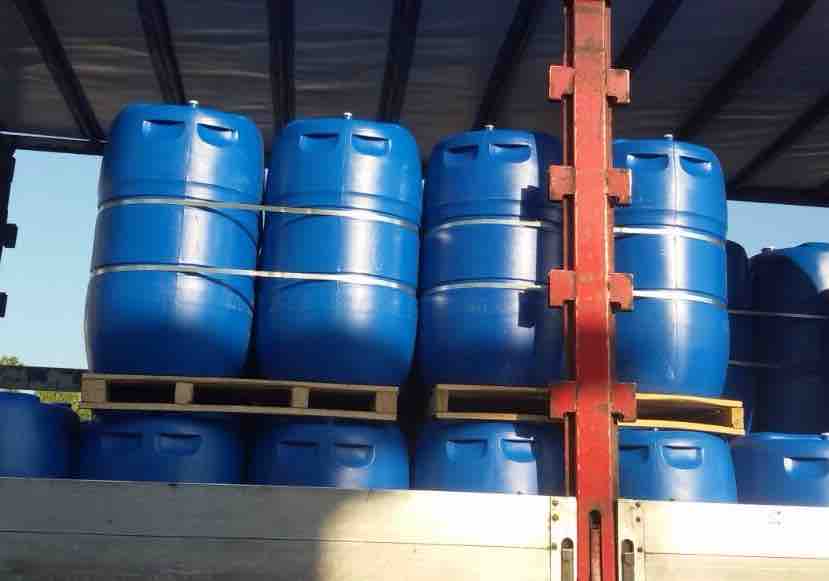
Paraffin oil Packaging Options
Suppliers typically offer flexible packaging solutions to suit logistics and storage needs:
180 kg steel drums (new or reconditioned)
ISO tanks
Flexi tanks
These options support both small buyers and bulk industrial consumers.
Liquid Paraffin Price Overview
The price of liquid paraffin depends on:
Grade and purity level
Packaging type
Order quantity
Market demand and crude oil trends
Historically, prices fluctuate with global oil markets. For example, in April 2023, Paraffin oil traded around 800 USD per metric ton, though current prices may vary.
Typical Analysis of Liquid Paraffin
| Test Item | Result | Test Method |
|---|---|---|
| Kinematic Viscosity at 40 °C | 19–21 cSt | ASTM D-445 |
| Pour Point (Max) | 0 to −6 °C | ASTM D-97 |
| Flash Point | 197–215 °C | ASTM D-92 |
| Density at 20 °C | 0.827–0.890 g/cm³ | BP 2012 |
| Color (Lovibond) | 0.2Y + 0.2B | IP-17 Method A |
| Odor | Passed | BP 2012 |
| Acidity / Alkalinity | Passed | BP 2012 |
| Solid Paraffin | Passed | BP 2012 |
Why Buyers Choose High-Quality Liquid Paraffin
Businesses choose liquid paraffin because it delivers:
Consistent performance
Long-term stability
Broad application range
Compliance with international standards
Whether used in healthcare, beauty, food, or industry, Paraffin oil remains one of the most reliable petroleum-derived products on the global market.
Final Thoughts
Liquid paraffin is more than just mineral oil. It is a refined, dependable solution that supports modern industries where safety, purity, and performance matter. With correct grade selection, proper handling, and trusted sourcing, liquid paraffin continues to be an essential material across countless applications worldwide.
Yes, mineral oil refer to the same product in most industrial, pharmaceutical, and cosmetic contexts. Both terms describe a highly refined, colorless, odorless petroleum-derived oil. The name “liquid paraffin” is more common in medical and British standards, while “mineral oil” is widely used in industrial and commercial markets. The key difference lies in the grade and level of refinement, not the substance itself.
Yes, liquid paraffin and mineral oil refer to the same product in most industrial, pharmaceutical, and cosmetic contexts. Both terms describe a highly refined, colorless, odorless petroleum-derived oil. The name “liquid paraffin” is more common in medical and British standards, while “mineral oil” is widely used in industrial and commercial markets. The key difference lies in the grade and level of refinement, not the substance itself.
Mineral oil is safe for pharmaceutical and cosmetic use when it meets recognized standards such as USP, BP, or Ph. Eur. These grades undergo deep refining to remove harmful impurities. Pharmaceutical-grade liquid paraffin is safe for topical use and controlled oral use under medical guidance. Cosmetic-grade mineral oil is non-comedogenic, non-reactive, and widely used in skincare and personal care products.
Other Product
Share On

Contact Info
Ankara Office
No.6, Fahrettin Pasa St. (613), Ilkbahar, Cankaya – Ankara
Tel: +90 312 514 70 55
Istanbul Office
No. 219, Sogut St., No.20, T4A Block, Maslak, Sariyer – Istanbul
Tel: +90 212 807 22 33
Dubai Office
No.3509, The Burlington Tower, Business Bay, Dubai – UAE
Tel: +971 4 236 98 30