


Basekim: Your Reliable Supplier During the Gilsonite Market Shortage
The global Gilsonite market shortage has become one of the most discussed topics in recent years. As industries continue to depend on this natural mineral for asphalt, drilling, and coating applications, supply challenges have begun to impact prices and availability worldwide.
Basekim, a trusted supplier of Gilsonite, continues to provide consistent, high-purity products to customers globally — even during market fluctuations. By maintaining stable sourcing, strong partnerships, and advanced logistics, Basekim helps industries stay operational and confident despite the shortage.
In this article, we’ll explore why the Gilsonite shortage is happening, its effects on key industries, and how Basekim’s strategic approach ensures reliability when others struggle to deliver.
What Is Causing the Gilsonite Market Shortage?
The Gilsonite market shortage isn’t caused by a single factor. Instead, it results from a combination of supply limitations, rising demand, and geopolitical influences. Let’s break it down:
1. Limited Natural Reserves
Gilsonite is a naturally occurring hydrocarbon resin, primarily found in limited regions such as Iran, the United States, and a few parts of Asia. Since it’s a non-renewable resource, the extraction rate can’t easily increase to meet growing industrial demand.
2. Increased Global Demand
Industries that rely on Gilsonite — including oil drilling, road construction, ink, and paint manufacturing — are expanding. As a result, global demand has grown much faster than production capacity.
In particular, the oil and gas industry has significantly raised consumption levels, as Gilsonite is a crucial ingredient in drilling fluids and cementing additives.
3. Export Restrictions and Logistics
Some producing regions have experienced export limitations, trade sanctions, and higher freight costs. These factors directly restrict how much Gilsonite can reach international buyers. Moreover, global shipping delays have made consistent supply even more challenging.
4. Mining and Environmental Regulations
New environmental laws in producing countries have slowed mining operations. While this ensures responsible extraction, it also limits output, leading to tighter global availability.
How the Shortage Affects Global Industries
The Gilsonite shortage has ripple effects across multiple industries. Understanding these helps businesses plan better and reduce risk.
1. Asphalt and Road Construction
In road construction, Gilsonite acts as a performance booster for asphalt, improving resistance to heat, deformation, and cracking. However, due to limited supply, asphalt manufacturers face increased costs and production delays. Some companies are forced to blend alternative materials, but none fully match Gilsonite’s natural strength and bonding ability.
2. Oil and Gas Drilling
Gilsonite’s role in drilling muds and cementing is vital. It stabilizes wells, prevents fluid loss, and strengthens boreholes. When shortages occur, drilling companies experience higher additive costs and potential delays in drilling operations — especially in high-pressure formations.
3. Printing Ink and Paint Industry
The ink and coating industries rely on fine Gilsonite powder for its deep black color and gloss. Shortages lead to price increases for pigments and resins, pushing production costs higher. As a result, manufacturers must either reduce output or adjust formulations to maintain profitability.
Basekim’s Solution to the Gilsonite Market Shortage
Despite these global challenges, Basekim continues to supply consistent and high-quality Gilsonite to customers worldwide. Here’s how the company maintains reliability during a global shortage:
1. Multiple Sourcing Regions
Basekim partners with various Gilsonite mines across reliable regions, ensuring diversified sourcing. This approach prevents disruption even when one source faces restrictions or delays.
2. Strong Inventory Management
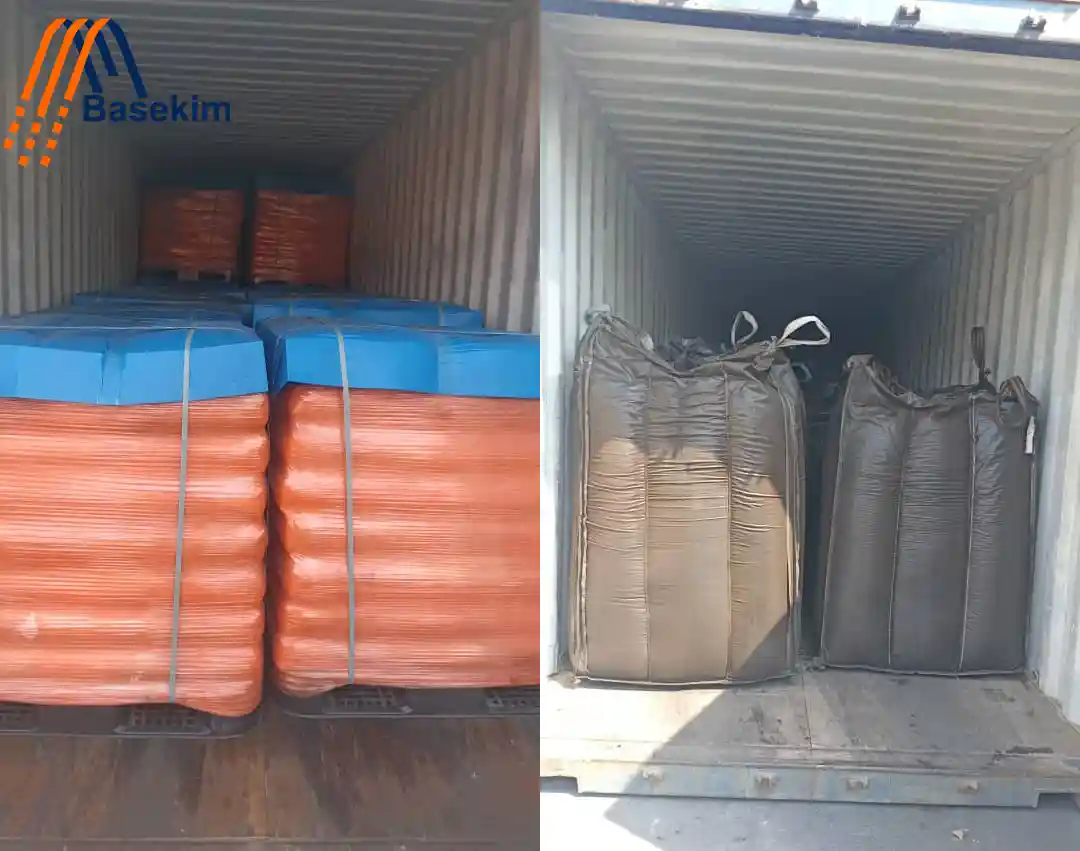
Through strategic storage and stock planning, Basekim maintains ready-to-ship Gilsonite reserves. This ensures clients receive their orders on time — regardless of global supply interruptions.
3. Quality Control and Testing
Each batch undergoes strict quality control to meet international standards. Whether it’s Gilsonite 10 mesh, 100 mesh, or fine powder, Basekim guarantees uniformity and purity in every delivery.
4. Efficient Logistics and Global Shipping
Basekim’s global network allows fast and secure delivery. Even with rising freight costs, the company optimizes routes and packaging to ensure affordability and speed.
5. Customer Support and Flexibility
Basekim works closely with clients to adjust mesh size, packaging, and shipment timing to match their production schedules. This flexibility makes Basekim a preferred partner for long-term Gilsonite procurement.
Current Market Trends and Pricing Outlook
The price of Gilsonite has increased steadily due to limited availability and transportation costs. However, experts predict that as new mines and trade channels develop, market stability may gradually return.
Still, prices are expected to remain relatively high in the near term. Therefore, manufacturers are advised to secure long-term contracts with reliable suppliers like Basekim to lock in availability and reduce exposure to market volatility.
How to Manage the Gilsonite Shortage in Your Business
If your production depends on Gilsonite, here are a few steps to manage supply challenges effectively:
-
Work with stable suppliers — Partner with companies like Basekim that have multiple sourcing channels.
-
Plan ahead — Forecast demand early and secure contracts in advance.
-
Explore formulation efficiency — Use precise mesh sizes to reduce waste and improve product performance.
-
Stay informed — Monitor market updates to anticipate price shifts and adapt accordingly.
By taking these proactive steps, your business can minimize risks and maintain consistent production quality.
Frequently Asked Questions (FAQs)
1. Why is the Gilsonite supply limited worldwide?
Gilsonite is a naturally occurring mineral found only in specific geological zones. Limited reserves, export restrictions, and rising demand contribute to the ongoing global shortage.
2. How can Basekim ensure continuous Gilsonite delivery during shortages?
Basekim has multiple supply sources, strong inventory management, and global logistics partnerships. These strategies guarantee timely delivery and consistent product quality even in difficult market conditions.
3. Will the Gilsonite market recover soon?
Experts expect gradual recovery as mining expands and logistics improve. However, due to increasing demand, prices may remain relatively high. Reliable suppliers like Basekim help stabilize availability and support customers during this period.
Conclusion
The Gilsonite market shortage is challenging industries worldwide, but with proper planning and dependable partners, businesses can stay ahead. Despite limited reserves and growing demand, Basekim continues to provide stable, high-quality Gilsonite to customers across all sectors.
By focusing on supply security, quality assurance, and customer support, Basekim has proven to be a trusted global supplier of Gilsonite — even when the market tightens.