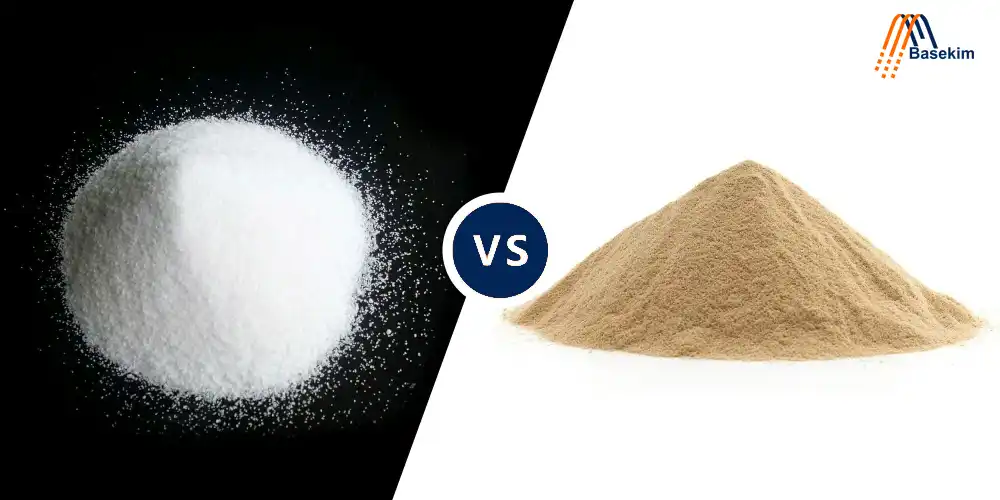
Understanding the differences between silica sand and regular sand helps you make smarter decisions for construction, landscaping, and industrial applications. Although both materials look similar at a glance, they differ in composition, structure, performance, and overall value. These differences directly impact how each type of sand behaves in real-world uses.
This article explains everything you need to know in clear, simple language while keeping the focus on practical insights.
What Is Regular Sand?
Regular sand, often called natural or common sand, forms through the weathering and erosion of rocks over time. It contains a mixture of minerals such as feldspar, mica, and small rock fragments.
This type of sand varies widely depending on its source. River sand, beach sand, and desert sand all fall under this category. Each type shows differences in texture, color, and composition.
Regular sand usually appears brown, gray, or yellow. Its grains often look rough and uneven, which affects how it compacts and performs.
People commonly use regular sand in construction, landscaping, and everyday building projects because it is easy to find and affordable.
Core Differences Between Silica Sand and Regular Sand
1. Chemical Composition
The most important factor in the differences between silica sand and regular sand lies in their chemical makeup.
Silica sand contains mostly silicon dioxide, often exceeding 95% purity. This high level of consistency allows it to perform predictably in controlled environments.
Regular sand contains a mix of minerals. This variation reduces its reliability in applications that require uniformity. For example, impurities can interfere with chemical reactions or weaken finished products.
2. Grain Shape and Texture
Silica sand grains usually appear rounded and smooth. This shape allows the particles to pack evenly and flow easily. It also improves performance in filtration and molding processes.
Regular sand grains tend to look angular and irregular. These jagged edges create more friction between particles, which can affect compaction and stability.
Because of this difference, silica sand often works better in precision-based applications, while regular sand suits general-purpose use.
3. Color and Visual Appearance
Color offers a quick way to distinguish between the two materials.
Silica sand appears light-colored, often white or pale beige. Its clean appearance reflects its high purity and low impurity content.
Regular sand shows darker shades such as brown, gray, or yellow. These colors come from the variety of minerals present in the mix.
While color does not always affect performance, it plays a role in aesthetic applications like landscaping or decorative finishes.
4. Industrial and Practical Uses
The differences between silica sand and regular sand become even clearer when you look at how people use them.
Silica sand serves specialized industries. Common uses include:
Water filtration systems
Foundry casting molds
Sports surfaces and artificial turf
Sandblasting and surface preparation
These applications require consistency, strength, and chemical stability.
Regular sand supports everyday construction and landscaping tasks. People use it for:
Concrete and mortar mixing
Bricklaying
Backfilling and leveling
Garden and landscaping projects
Its versatility makes it the go-to option for general building needs.
5. Strength and Durability
Silica sand offers higher durability due to its quartz composition. Quartz ranks high on the hardness scale, which helps the sand resist wear, pressure, and chemical reactions.
Regular sand does not provide the same level of strength. Its mixed mineral content makes it more prone to breaking down over time.
This difference matters in long-term applications. For example, silica sand performs better in environments exposed to water, heat, or chemicals.
6. Filtration Efficiency
Silica sand plays a major role in filtration systems because of its uniform grain size. The evenly shaped particles create consistent gaps that trap impurities while allowing water to pass through.
Regular sand cannot match this level of efficiency. Its uneven grains create inconsistent spaces, which reduce filtration performance.
For this reason, industries and water treatment facilities rely on silica sand instead of regular sand.
7. Cost and Availability
Cost represents another key point in the differences between silica sand and regular sand.
Silica sand costs more because producers must mine, wash, and refine it to achieve high purity. Transportation and processing also add to the final price.
Regular sand costs less because it requires minimal processing and exists in large quantities. Builders and contractors prefer it for budget-friendly projects.
Choosing between the two often depends on whether performance or cost matters more.
8. Environmental Impact
Both types of sand affect the environment, but in different ways.
Silica sand production involves mining and processing, which can disturb ecosystems and consume energy. However, its durability means it lasts longer in many applications.
Regular sand extraction, especially from rivers and beaches, can cause erosion and damage natural habitats if not managed properly.
Sustainable sourcing plays an important role regardless of the type you choose.
Why These Differences Matter
Understanding the differences between silica sand and regular sand helps you avoid poor material choices. Each type serves a specific purpose, and using the wrong one can lead to performance issues or increased costs.
For example, using regular sand in a filtration system can reduce efficiency and lead to contamination. On the other hand, using silica sand in basic construction may increase expenses without providing meaningful benefits.
Matching the material to the application ensures better results, improved durability, and cost efficiency.
Choosing the Right Sand for Your Needs
To choose the right sand, start by identifying your project requirements. Ask yourself a few key questions:
Do you need high purity and consistency?
Will the sand face chemical exposure or heavy wear?
Is cost a major concern?
Does appearance matter for the final result?
If your project demands precision and reliability, silica sand offers the best solution. If you need a versatile and affordable material for general use, regular sand works well.
Conclusion
The differences between silica sand and regular sand go far beyond appearance. Silica sand delivers purity, strength, and consistency for specialized applications, while regular sand provides flexibility and affordability for everyday projects.
By understanding these distinctions, you can select the right material with confidence. This knowledge helps you improve performance, reduce waste, and achieve better results in any project you take on.