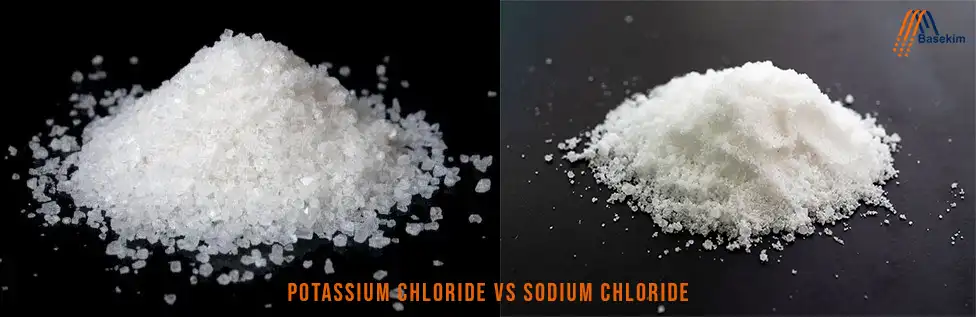
Introduction to Potassium Chloride vs Sodium Chloride
When comparing potassium chloride vs sodium chloride, it becomes clear that both compounds play essential roles in everyday life, yet they differ in several important ways. These salts appear similar at first glance, but their chemical structure, health effects, and industrial uses set them apart.
Sodium chloride, commonly known as table salt, dominates kitchens worldwide. Potassium chloride, on the other hand, often serves as a salt substitute and a key agricultural input. Understanding their differences helps industries, health professionals, and consumers make informed decisions.
Chemical Composition and Structure
Atomic Elements Comparison
Potassium chloride (KCl) consists of potassium (K) and chlorine (Cl). Sodium chloride (NaCl) contains sodium (Na) and chlorine (Cl). The difference lies in potassium versus sodium, both of which are alkali metals but behave differently in biological and chemical systems.
Molecular Formation
Both compounds form through ionic bonding. Potassium or sodium donates an electron to chlorine, creating stable ionic structures. However, potassium ions are larger than sodium ions, which influences solubility and reactivity.
Physical Properties Comparison
Appearance and Color
Both salts appear as white crystalline solids. However, potassium chloride crystals often look slightly more transparent compared to sodium chloride.
Solubility in Water
Both compounds dissolve easily in water. Sodium chloride dissolves faster, while potassium chloride may require slightly more time due to its larger ionic size.
Melting and Boiling Points
-
Sodium chloride: Melting point ~801°C
-
Potassium chloride: Melting point ~770°C
Sodium chloride withstands slightly higher temperatures, making it more stable in high-heat applications.
Taste and Sensory Differences
One of the most noticeable differences in the potassium chloride vs sodium chloride comparison is taste.
-
Sodium chloride delivers a clean, salty flavor.
-
Potassium chloride tastes slightly bitter or metallic.
This difference limits potassium chloride’s use in food unless blended with sodium chloride.
Nutritional and Health Impact
Sodium Intake Effects
High sodium intake links to increased blood pressure and heart risks. Many health organizations recommend limiting sodium chloride consumption.
Potassium Benefits
Potassium supports muscle function, nerve signaling, and heart health. It helps balance fluids and counteracts sodium’s negative effects. This makes potassium chloride a popular alternative in low-sodium diets.
Industrial Applications Comparison
Use in Food Industry
Sodium chloride dominates food preservation, seasoning, and processing. Potassium chloride serves as a reduced-sodium substitute in processed foods.
Use in Agriculture
Potassium chloride acts as a primary fertilizer, supplying essential potassium for plant growth. It improves crop yield and soil fertility. Many global suppliers, including Basekim, provide high-quality potassium chloride for agricultural use.
Use in Medical Field
Potassium chloride treats potassium deficiencies in medical settings. Sodium chloride appears in saline solutions for hydration and medical procedures.
Environmental Impact
Potassium chloride generally poses less environmental risk when used in agriculture. It supports plant growth without contributing heavily to soil salinity.
Sodium chloride, especially in road de-icing, can harm soil structure and aquatic ecosystems.
Cost and Availability
Sodium chloride is cheaper and more widely available due to abundant natural deposits and simple extraction processes.
Potassium chloride costs more because of mining complexity and higher demand in agriculture. Reliable suppliers like Basekim ensure consistent quality and global distribution.
Safety and Handling
Both compounds are safe when handled properly. However:
-
Excess sodium chloride intake can harm health.
-
Excess potassium chloride may affect individuals with kidney conditions.
Industries must follow safety guidelines during storage and transport.
Advantages and Disadvantages
Potassium Chloride
Advantages:
-
Supports heart health
-
Essential for plant growth
-
Reduces sodium intake
Disadvantages:
-
Bitter taste
-
Higher cost
Sodium Chloride
Advantages:
-
Widely available
-
Strong salty flavor
-
Low cost
Disadvantages:
-
High intake risks health
-
Environmental concerns
Side-by-Side Comparison Table
| Feature | Potassium Chloride (KCl) | Sodium Chloride (NaCl) |
|---|---|---|
| Chemical Element | Potassium | Sodium |
| Taste | Bitter/metallic | Pure salty |
| Health Impact | Supports heart health | Linked to high blood pressure |
| Main Use | Fertilizer, salt substitute | Food seasoning, preservation |
| Cost | Higher | Lower |
| Environmental Impact | Moderate | Higher in de-icing |
| Solubility | High | Very high |
| Industrial Demand | Agriculture | Food industry |
FAQs
1. What is the main difference between potassium chloride and sodium chloride?
The main difference lies in their chemical composition and health impact. Potassium chloride contains potassium, while sodium chloride contains sodium.
2. Is potassium chloride healthier than sodium chloride?
Potassium chloride often supports heart health and reduces sodium intake, making it a healthier option for many people.
3. Why does potassium chloride taste different?
It has a slightly bitter and metallic taste due to the potassium ion, unlike the clean saltiness of sodium chloride.
4. Can potassium chloride replace sodium chloride completely?
It can replace it partially, but taste differences limit full substitution in food.
5. Which is more commonly used in agriculture?
Potassium chloride is widely used as a fertilizer because plants need potassium for growth.
6. Is sodium chloride harmful to the environment?
Excessive use, especially in de-icing, can damage soil and water ecosystems.
Conclusion
The comparison of potassium chloride vs sodium chloride highlights clear differences in composition, taste, health impact, and industrial use. Sodium chloride remains essential for food and preservation, while potassium chloride plays a vital role in agriculture and health-conscious applications.
Choosing between them depends on the intended use. Industries often rely on trusted suppliers like Basekim to ensure quality and consistency in both compounds. By understanding their differences, users can make smarter, safer, and more effective choices.