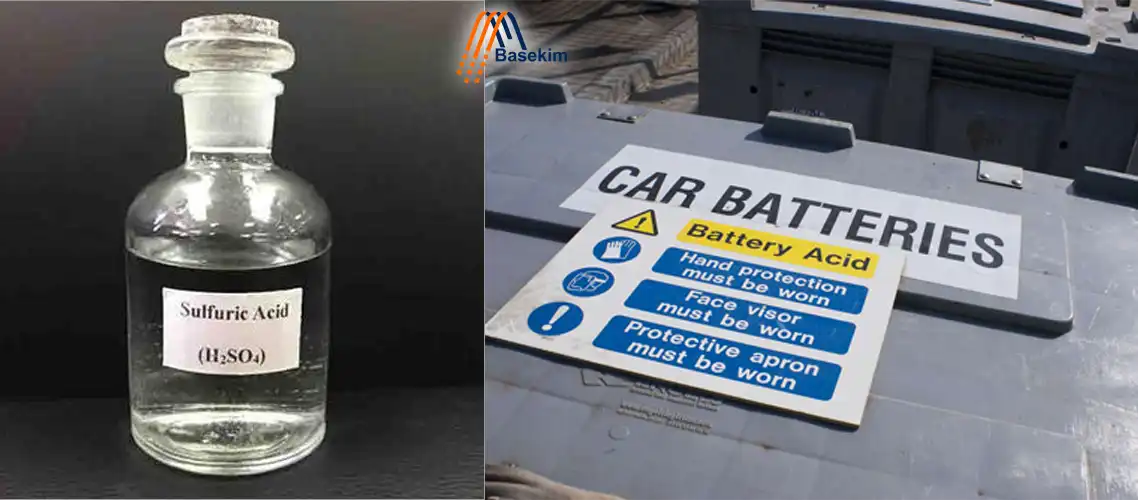
Sulphuric acid in battery manufacturing plays a central role in powering modern energy storage systems. It acts as the electrolyte in lead-acid batteries, enabling the chemical reactions that generate and store electricity. Without it, the entire battery system would fail to function effectively.
Manufacturers rely on sulphuric acid for its ability to facilitate efficient energy transfer. Its chemical properties support strong conductivity, making it ideal for high-performance battery applications. As industries demand reliable power solutions, the importance of sulphuric acid continues to grow.
Role of Sulphuric Acid in Lead-Acid Batteries
Sulphuric acid drives the electrochemical reactions inside lead-acid batteries. When the battery discharges, the acid reacts with lead plates to produce electrical energy. During charging, the process reverses, restoring the battery’s capacity.
This reversible reaction ensures long-term usability. It allows batteries to recharge multiple times without losing efficiency quickly. That’s why sulphuric acid remains the preferred electrolyte in traditional battery systems.
Key Functions of Sulphuric Acid in Battery Performance
Energy Storage Mechanism
Sulphuric acid enables the storage of chemical energy. It interacts with the battery’s electrodes to create a stable environment for energy conversion. This process ensures consistent performance across multiple charge cycles.
Conductivity and Ion Transfer
High conductivity is essential in any battery system. Sulphuric acid provides excellent ion mobility, allowing electric current to flow smoothly. This results in faster charging and reliable power delivery.
Manufacturing Process Involving Sulphuric Acid
Preparation of Electrolyte Solution
Battery manufacturers prepare sulphuric acid carefully before use. They dilute concentrated acid with distilled water to achieve the desired concentration.
Dilution and Purity Standards
Maintaining purity is critical. Even minor impurities can reduce battery efficiency. Manufacturers follow strict quality standards to ensure the electrolyte performs optimally.
Battery Assembly Integration
Once prepared, the sulphuric acid solution is added to battery cells during assembly. It fills the space between electrodes and activates the electrochemical process. Proper filling techniques ensure uniform performance across all cells.
Quality Control and Safety Measures
Handling and Storage Protocols
Handling sulphuric acid requires strict safety procedures. Workers use protective equipment to prevent exposure. Storage facilities must also maintain controlled conditions to avoid contamination or accidents.
Industry Safety Regulations
Manufacturers follow international safety standards. These regulations ensure safe production, transportation, and usage of sulphuric acid. Compliance helps protect both workers and the environment.
Advantages of Using Sulphuric Acid in Battery Manufacturing
Cost Efficiency
Sulphuric acid is widely available and affordable. Its cost-effectiveness makes it a practical choice for large-scale battery production. Manufacturers can maintain competitive pricing without compromising quality.
High Energy Output
Batteries using sulphuric acid deliver strong energy output. They provide reliable power for various applications, from vehicles to backup systems. This high performance keeps demand steady across industries.
Challenges and Limitations for Sulphuric Acid in Battery Manufacturing
Corrosion Risks
Despite its benefits, sulphuric acid can cause corrosion. It may damage battery components if not managed properly. Manufacturers use protective materials to minimize this risk.
Environmental Concerns
Improper disposal of sulphuric acid can harm the environment. Acid leakage may contaminate soil and water. Therefore, industries must follow strict waste management practices.
Innovations and Technological Advancements
Improved Electrolyte Formulations
Researchers continue to enhance sulphuric acid formulations. New additives improve battery lifespan and efficiency. These innovations help meet growing energy demands.
Recycling and Sustainability Practices
Recycling plays a key role in reducing environmental impact. Manufacturers recover sulphuric acid from used batteries and reuse it. This approach supports sustainable production and reduces waste.
Applications Across Industries
Automotive Batteries
Sulphuric acid in battery manufacturing is essential for automotive batteries. It powers cars, trucks, and motorcycles worldwide. Its reliability makes it ideal for starting, lighting, and ignition systems.
Industrial Power Systems
Industries depend on batteries for backup power. Sulphuric acid-based batteries provide stable energy during outages. They support operations in factories, data centers, and telecommunications.
Choosing a Reliable Sulphuric Acid Supplier
Quality and Consistency Factors
Selecting the right supplier ensures consistent product quality. High-purity sulphuric acid improves battery performance and longevity. Manufacturers must evaluate suppliers carefully.
Importance of Trusted Suppliers
Working with a trusted provider like Basekim ensures reliable supply and quality assurance. A dependable partner helps maintain production efficiency and meet industry standards.
FAQs About Sulphuric Acid in Battery Manufacturing
1. Why is sulphuric acid used in battery manufacturing?
It acts as an electrolyte, enabling chemical reactions that generate electricity.
2. How does sulphuric acid affect battery performance?
It improves conductivity and supports efficient energy transfer.
3. Is sulphuric acid recyclable in batteries?
Yes, manufacturers can recover and reuse it through recycling processes.
4. What safety measures are required when handling sulphuric acid?
Workers must use protective gear and follow strict handling protocols.
5. Can sulphuric acid damage battery components?
Yes, if not managed properly, it can cause corrosion.
6. What industries rely on sulphuric acid-based batteries?
Automotive, industrial, and backup power sectors depend on them.
Conclusion
Sulphuric acid in battery manufacturing remains a cornerstone of modern energy storage. Its ability to support efficient electrochemical reactions makes it indispensable in lead-acid batteries. From automotive applications to industrial systems, it delivers reliable performance and cost efficiency.
Despite challenges like corrosion and environmental concerns, ongoing innovations continue to improve its use. With proper handling, quality control, and sustainable practices, manufacturers can maximize its benefits. Choosing a trusted supplier further ensures consistent results and long-term success in battery production.