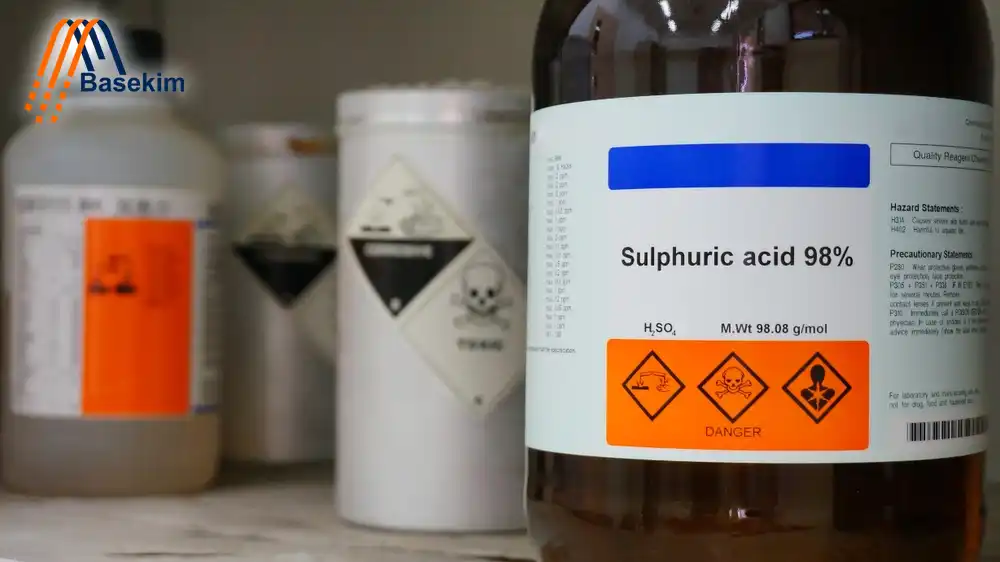
The sulphuric acid production process is one of the most critical operations in the global chemical industry. Industries rely heavily on this process to produce high-quality sulphuric acid efficiently, safely, and at scale. From raw material preparation to final absorption, each stage plays a vital role in ensuring optimal output and environmental compliance.
This guide dives deep into every stage of the sulphuric acid production process, focusing on modern industrial practices, efficiency improvements, and key operational insights.
Overview of the Sulphuric Acid Production Process
The sulphuric acid production process primarily uses the Contact Process, which remains the most efficient and widely adopted method. This process converts sulfur dioxide (SO₂) into sulfur trioxide (SO₃), which then reacts with water to form sulphuric acid (H₂SO₄).
Key Stages in the Process
Raw material preparation
Sulfur combustion
Gas purification
Catalytic oxidation
Absorption and acid formation
Each step must operate under controlled conditions to ensure maximum conversion efficiency and minimal emissions.
Raw Materials Used in the Sulphuric Acid Production Process
The process begins with selecting high-purity raw materials. These materials directly impact efficiency and product quality.
Primary Raw Materials
Elemental sulfur
Pyrite ore (FeS₂)
Oxygen or air
Importance of Raw Material Quality
Using clean sulfur reduces impurities in downstream processes. Impurities such as arsenic or dust can poison catalysts, reducing efficiency and increasing operational costs.
Sulfur Combustion Stage
In this stage, elemental sulfur burns in dry air to produce sulfur dioxide gas.
Reaction Overview
Sulfur + Oxygen → Sulfur Dioxide
Key Conditions
Temperature: 1000–1400°C
Excess air supply ensures complete combustion
Operational Insights
Efficient combustion ensures maximum sulfur conversion while minimizing unburnt residues. Modern plants use advanced burners to maintain consistent flame temperature.
Gas Cooling and Cleaning
After combustion, the hot sulfur dioxide gas must cool and undergo purification before entering the catalytic converter.
Cooling Process
Heat exchangers reduce gas temperature while recovering energy for reuse.
Cleaning Methods
Dust removal systems
Electrostatic precipitators
Drying towers to remove moisture
Why This Step Matters
Clean gas prevents catalyst poisoning and ensures long-term process stability.
Catalytic Oxidation in the Converter
This is the core stage of the sulphuric acid production process. Sulfur dioxide converts into sulfur trioxide using a catalyst.
Catalyst Used
Vanadium pentoxide (V₂O₅)
Reaction
2SO₂ + O₂ → 2SO₃
Optimal Conditions
Temperature: 400–450°C
Controlled pressure
Multi-bed converter systems
Efficiency Optimization
Modern converters use multiple catalyst beds with intermediate cooling to maximize conversion rates, often exceeding 99%.
Absorption of Sulfur Trioxide
Sulfur trioxide does not react directly with water efficiently. Instead, it first reacts with concentrated sulphuric acid.
Absorption Process
SO₃ + H₂SO₄ → H₂S₂O₇ (Oleum)
Final Dilution
Oleum + Water → H₂SO₄
Key Equipment
Absorption towers
Acid circulation systems
This step ensures safe and efficient acid formation while preventing hazardous mist formation.
Double Contact Double Absorption (DCDA) Process
Modern plants use the DCDA method to increase efficiency and reduce emissions.
How It Works
First conversion and absorption stage
Remaining gases pass through a second catalytic stage
Final absorption removes residual SO₃
Benefits
Conversion efficiency above 99.7%
Lower environmental impact
Reduced sulfur dioxide emissions
Heat Recovery and Energy Efficiency
The sulphuric acid production process generates significant heat. Plants capture this energy to improve efficiency.
Energy Recovery Systems
Waste heat boilers
Steam turbines
Power generation units
Advantages
Reduced energy costs
Improved sustainability
Enhanced plant profitability
Environmental Control Measures
Strict environmental standards govern sulphuric acid production.
Emission Control Techniques
Tail gas scrubbing
Advanced filtration systems
Continuous monitoring systems
Regulatory Compliance
Modern facilities must meet stringent air quality regulations to operate efficiently and responsibly.
Process Control and Automation
Automation plays a critical role in maintaining consistency and safety.
Control Systems Used
Distributed Control Systems (DCS)
Real-time monitoring sensors
Automated safety shutdown mechanisms
Benefits
Improved process stability
Reduced human error
Enhanced safety
Industrial Applications and Supply Chain
The sulphuric acid production process supports multiple industries.
Key Applications
Petroleum refining
Chemical manufacturing
Reliable suppliers ensure consistent product availability. Companies like Basekim play a role in supplying sulphuric acid to various industrial sectors, supporting global demand with quality assurance.
Challenges in the Sulphuric Acid Production Process
Despite its efficiency, the process faces several challenges.
Common Issues
Catalyst deactivation
Equipment corrosion
Environmental compliance costs
Solutions
Regular maintenance
Use of corrosion-resistant materials
Advanced monitoring systems
Future Innovations in Sulphuric Acid Production
The industry continues to evolve with new technologies.
Emerging Trends
Green production methods
Carbon capture integration
Digital process optimization
These innovations aim to reduce environmental impact while maintaining high production efficiency.
FAQs About Sulphuric Acid Production Process
1. What is the most common method used in the sulphuric acid production process?
The Contact Process is the most widely used method due to its high efficiency and scalability.
2. Why is vanadium pentoxide used as a catalyst?
It provides high conversion efficiency and remains stable under operating conditions.
3. What is oleum in the process?
Oleum is an intermediate product formed when sulfur trioxide reacts with sulphuric acid.
4. How does the DCDA process improve efficiency?
It increases conversion rates and reduces sulfur dioxide emissions significantly.
5. Why is gas purification important?
It prevents catalyst poisoning and ensures smooth operation of the process.
6. What industries depend on sulphuric acid production?
Fertilizer, petroleum, chemical, and metal industries rely heavily on sulphuric acid.
Conclusion
The sulphuric acid production process stands as a cornerstone of modern industrial chemistry. Its efficiency, scalability, and adaptability make it indispensable across various sectors. By optimizing each stage—from raw material selection to final absorption—industries can achieve high productivity while maintaining environmental responsibility.
Continuous innovation and strict process control ensure that this essential chemical production method remains sustainable and effective for future demands.