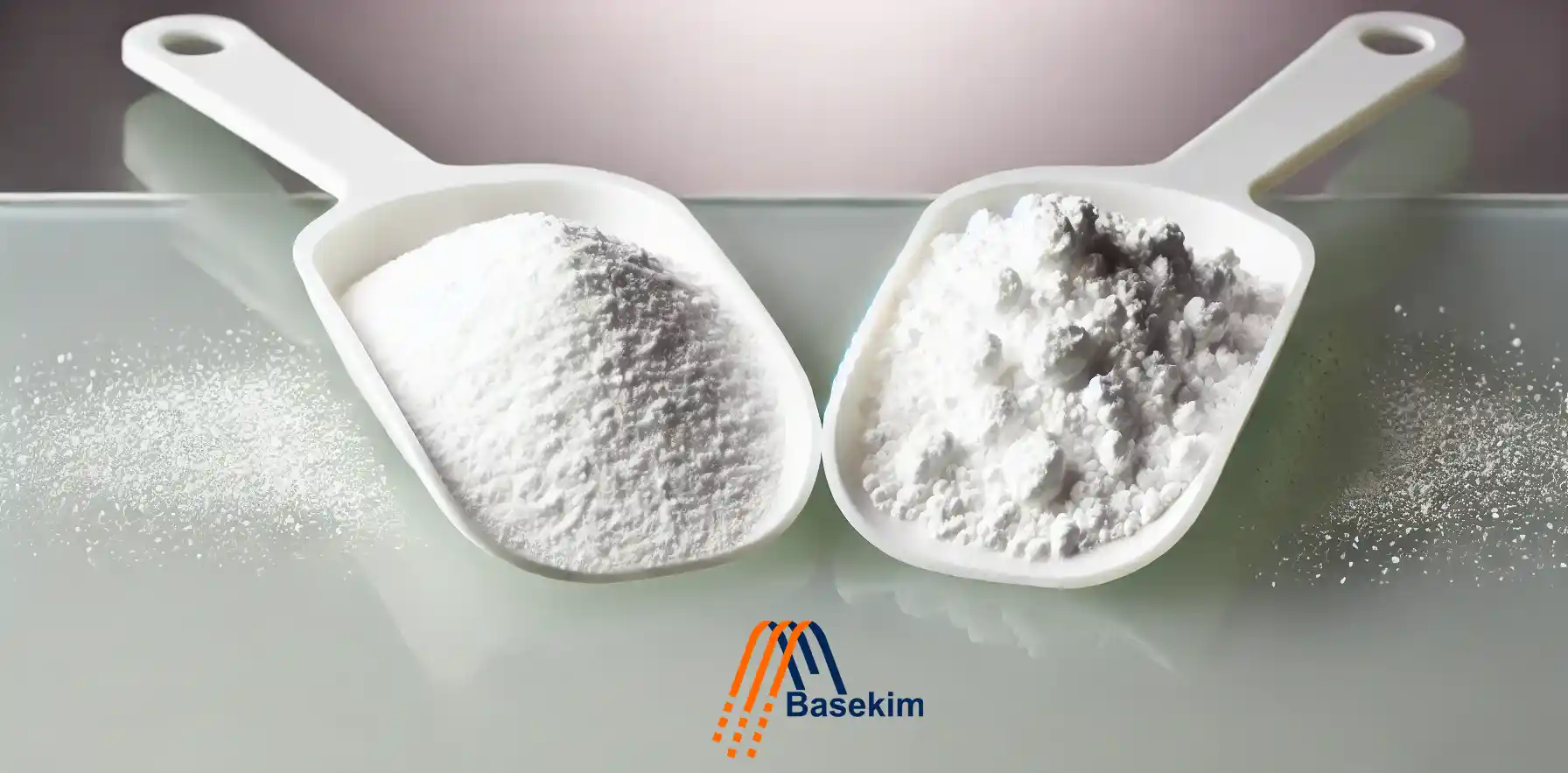
When it comes to chemical compounds used in homes and industries, the debate around caustic soda vs baking soda often creates confusion. While both are alkaline substances, they serve entirely different purposes and behave very differently in real-world applications.
Understanding the differences between these two compounds helps you make safer, smarter, and more effective choices—whether you’re cleaning, cooking, or handling industrial materials. Let’s break it all down in a clear, practical, and engaging way.
Chemical Composition Differences
Molecular Structure Comparison
Baking soda, also known as sodium bicarbonate (NaHCO₃), has a simple and stable structure. It reacts mildly with acids and releases carbon dioxide, making it perfect for baking and gentle cleaning.
Caustic soda, or sodium hydroxide (NaOH), has a much stronger chemical structure. It reacts aggressively with organic materials and breaks down fats, proteins, and oils rapidly.
pH Level and Alkalinity
One of the biggest differences in caustic soda vs baking soda lies in their pH levels:
Baking soda: pH around 8–9 (mildly alkaline)
Caustic soda: pH around 13–14 (extremely alkaline)
This dramatic difference explains why one is safe for food and the other can cause severe burns.
Physical Properties and Appearance
Texture and Form
Baking soda appears as a fine, soft white powder. It feels smooth and dissolves easily.
Caustic soda often comes in flakes, pellets, or granules. It feels more coarse and can generate heat when dissolved in water.
Solubility in Water
Both substances dissolve in water, but:
Baking soda dissolves gently without much heat
Caustic soda dissolves rapidly and releases significant heat (exothermic reaction)
This makes caustic soda much more dangerous to handle.
Common Uses of Caustic Soda vs Baking Soda
Industrial Applications
Caustic soda plays a key role in industries such as:
Soap and detergent manufacturing
Paper production
Textile processing
Many companies rely on suppliers like Basekim to ensure consistent quality and supply for industrial-grade caustic soda.
Household Uses
Baking soda dominates in household environments. Common uses include:
Baking and cooking
Deodorizing surfaces
Cleaning kitchens and bathrooms
Freshening laundry
Cleaning Power Comparison Caustic Soda vs Baking Soda
Strength and Effectiveness
In the discussion of caustic soda vs baking soda, cleaning power is a major factor.
Baking soda provides gentle abrasion and mild cleaning
Caustic soda delivers heavy-duty cleaning and grease removal
Suitable Cleaning Tasks
Baking soda works best for:
Removing odors
Light stain removal
Cleaning delicate surfaces
Caustic soda works best for:
Unclogging drains
Removing heavy grease
Industrial cleaning
Safety and Handling Considerations
Toxicity Levels
Baking soda is safe for human contact and consumption in small amounts.
Caustic soda is highly corrosive. It can cause:
Skin burns
Eye damage
Respiratory irritation
Protective Measures
When handling caustic soda, always:
Wear gloves and goggles
Avoid direct contact
Use in well-ventilated areas
Baking soda requires no special precautions under normal use.
Environmental Impact
Biodegradability
Baking soda is environmentally friendly and breaks down naturally.
Caustic soda, while useful, must be handled carefully to avoid environmental harm.
Disposal Methods
Baking soda can be safely disposed of in small amounts
Caustic soda requires controlled disposal following safety guidelines
Food-Related Applications
Baking Soda in Cooking
Baking soda plays a vital role in cooking. It acts as a leavening agent, helping baked goods rise and become fluffy.
Why Caustic Soda is Not Used in Food
Caustic soda is far too strong and dangerous for general food use. Although it appears in very specific food processing (like certain traditional methods), it is not suitable for everyday cooking.
Cost and Availability
Baking soda is inexpensive and widely available in grocery stores.
Caustic soda is also affordable but typically sold through chemical suppliers or specialized distributors.
Storage and Shelf Life
- Baking soda: Store in a cool, dry place; long shelf life
- Caustic soda: Must be stored in airtight containers to avoid moisture absorption
Advantages and Disadvantages
Baking Soda
Advantages:
Safe and non-toxic
Versatile
Affordable
Disadvantages:
Limited cleaning strength
Caustic Soda
Advantages:
Extremely powerful
Effective for industrial use
Disadvantages:
Dangerous if mishandled
Not suitable for everyday household use
When to Use Each Substance
Choose baking soda when you need:
Safe cleaning
Food preparation
Odor removal
Choose caustic soda when you need:
Heavy-duty cleaning
Industrial processing
Strong chemical reactions
FAQs about Caustic Soda vs Baking Soda
1. Is baking soda safer than caustic soda?
Yes, baking soda is much safer and suitable for everyday use, while caustic soda requires strict handling precautions.
2. Can I use caustic soda for household cleaning?
You can, but only for heavy-duty tasks like drain cleaning—and with proper safety measures.
3. Why is caustic soda more dangerous?
Because it has a much higher pH and reacts aggressively with organic materials.
4. Are both substances alkaline?
Yes, both are alkaline, but caustic soda is significantly stronger.
5. Can baking soda replace caustic soda?
No, baking soda is too mild for tasks that require strong chemical reactions.
6. Which one is better for the environment?
Baking soda is generally more environmentally friendly.
Conclusion about Caustic Soda vs Baking Soda
The comparison of caustic soda vs baking soda clearly shows that while both are alkaline compounds, they serve entirely different roles. Baking soda shines in safe, everyday applications, while caustic soda dominates in industrial and heavy-duty tasks.
Choosing the right one depends on your specific needs. Use baking soda for safety and versatility. Use caustic soda when strength and efficiency matter—but always handle it with care.