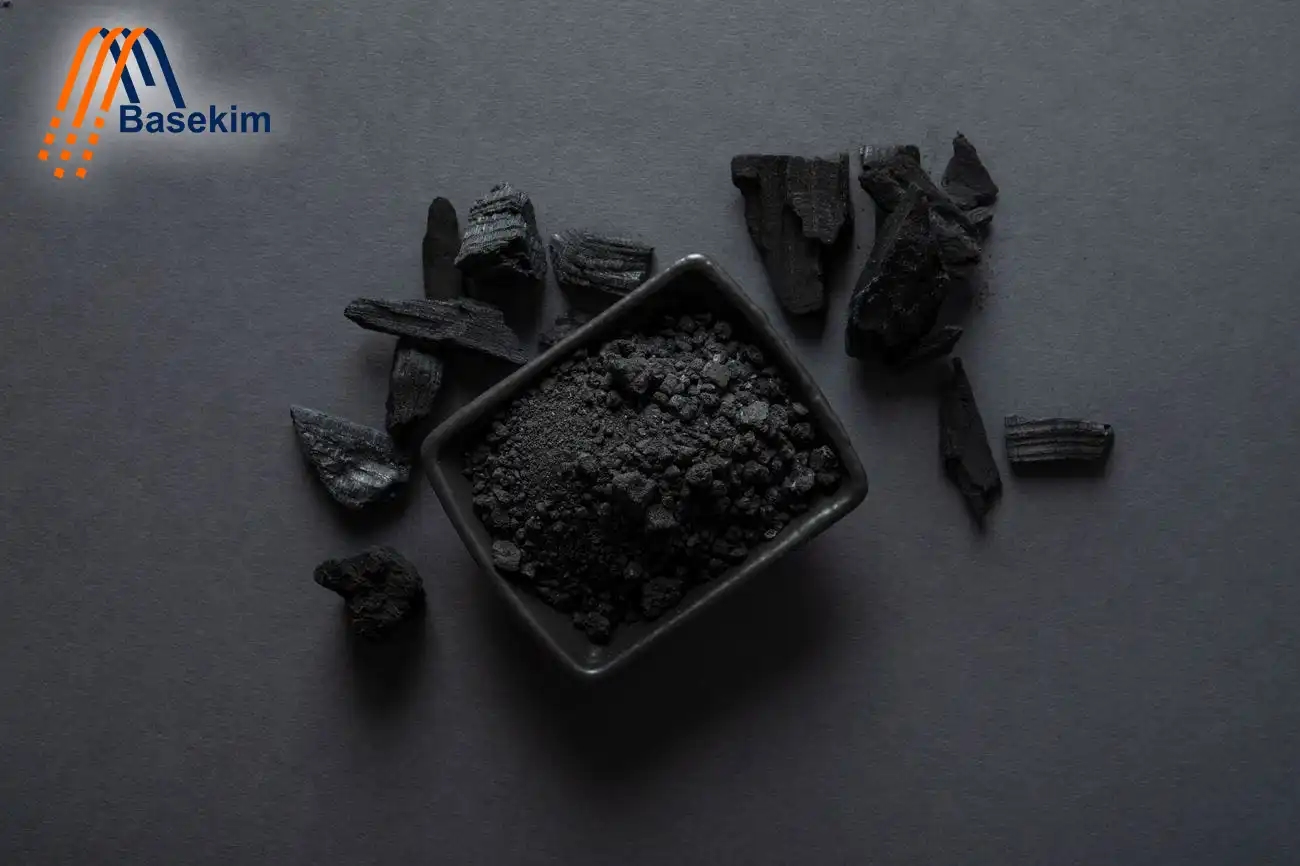
When people talk about black carbon materials, they often mix up the Carbon Black vs Soot. At first glance, both look nearly identical—fine black powders formed from carbon. But once you dig deeper, the contrast becomes crystal clear.
Understanding Difference Between Carbon Black and Soot isn’t just a scientific curiosity. It plays a crucial role in industries like rubber, plastics, coatings, and environmental science. These materials behave differently, perform differently, and even impact health and the environment in unique ways.
Let’s break it all down in a simple, clear, and engaging way.
Why Understanding the Difference Matters
Knowing the Difference Between Carbon Black and Soot helps businesses choose the right material for performance, safety, and cost efficiency. Using the wrong one can lead to poor product quality or even regulatory issues.
Industries rely on precision. Carbon black offers consistency, while soot brings unpredictability. That difference alone can make or break a product’s success.
What is Soot?
Soot is an uncontrolled byproduct of incomplete combustion. It forms when fuels like wood, coal, oil, or diesel burn inefficiently.
Formation of Soot
Soot appears during everyday processes like:
Burning candles
Engine exhaust emissions
Industrial combustion
Wildfires
Unlike carbon black, soot forms randomly without any quality control.
Key Characteristics of Soot
Soot differs significantly because it:
Contains impurities (ash, metals, organic compounds)
Has irregular particle sizes
Displays inconsistent structure
Varies widely in composition
This lack of uniformity limits its industrial usefulness.
How carbon black differs from soot: Core Comparison
Structural Differences
Carbon black has a controlled and engineered structure, while soot has a chaotic and irregular form. This difference affects performance in materials.
Chemical Composition
Carbon black consists almost entirely of elemental carbon.
Soot contains:
Organic compounds
Heavy metals
Residual hydrocarbons
That makes soot chemically unstable compared to carbon black.
Purity Levels
Purity marks one of the biggest distinctions in comparison of carbon black and soot:
Carbon black → High purity
Soot → Low purity with contaminants
Particle Size and Shape
Carbon black particles are:
Uniform
Spherical
Engineered for consistency
Soot particles are:
Irregular
Agglomerated
Inconsistent in size
Carbon Black vs Soot in Industrial Applications
Uses of Carbon Black
Industries rely heavily on carbon black for:
Rubber reinforcement (especially tires)
Plastics and polymers
Coatings and inks
UV protection materials
Its consistency ensures predictable results every time.
Uses of Soot
Soot has very limited controlled applications. It mainly appears as:
A pollutant
A byproduct in combustion processes
A subject of environmental research
It rarely serves as a primary industrial material.
Environmental and Health Impact
Carbon Black Safety Profile
Carbon black is considered relatively safe when handled properly. Industries regulate its production and usage to minimize risks.
Soot and Air Pollution Concerns
Soot poses serious environmental and health risks:
Contributes to air pollution
Impacts respiratory health
Plays a role in climate change
Because of its fine particles, soot can easily enter the lungs and bloodstream.
Manufacturing Control vs Natural Formation
Controlled Production of Carbon Black
Carbon black production involves:
Precise temperature control
Specific feedstock selection
Regulated combustion
This ensures high quality and repeatability.
Uncontrolled Formation of Soot
Soot forms without control. Factors like:
Oxygen levels
Fuel type
Combustion efficiency
all affect its composition, making it unreliable.
Performance Differences in Materials
Reinforcement Properties
Carbon black strengthens materials, especially rubber. It improves:
Durability
Tensile strength
Wear resistance
Soot cannot provide these benefits due to its inconsistent structure.
Conductivity and Color Strength
Carbon black delivers:
Excellent conductivity
Deep, uniform pigmentation
Soot, on the other hand, lacks consistency in both areas.
Cost and Availability Comparison
Soot may seem cheaper because it’s a byproduct. However, its inconsistency makes it unsuitable for most applications.
Carbon black, while more expensive, offers:
Reliability
Quality assurance
Better long-term value
Common Misconceptions About Carbon Black vs Soot
Many people assume carbon black and soot are interchangeable. That’s simply not true.
Here are common myths:
“They are the same material” → False
“Soot can replace carbon black” → Rarely true
“Both have identical properties” → Completely incorrect
Understanding the Difference Between Carbon Black and Soot clears up these misunderstandings.
FAQs About Difference Between Carbon Black and Soot
1. What is the main Difference Between Carbon Black and Soot?
The main difference lies in production and purity. Carbon black is manufactured under controlled conditions, while soot forms as an uncontrolled byproduct.
2. Is carbon black safer than soot?
Yes, carbon black is generally safer due to controlled production and fewer impurities.
3. Can soot be used instead of carbon black?
In most cases, no. Soot lacks consistency and purity required for industrial applications.
4. Why is carbon black more expensive than soot?
Because it undergoes controlled manufacturing, ensuring high quality and performance.
5. Does soot have any industrial use?
Its use is limited and mostly related to research or as a combustion byproduct.
6. How does Carbon Black vs Soot impact the environment?
Carbon black has a controlled impact, while soot significantly contributes to pollution and climate change.
Conclusion
The Difference Between Carbon Black and Soot goes far beyond appearance. While both materials come from carbon, their properties, performance, and impact differ dramatically.
Carbon black stands as a highly engineered, reliable material used across industries. Soot, on the other hand, remains an uncontrolled byproduct with environmental concerns.
Understanding comparison of carbon black and soot helps industries make smarter, safer, and more efficient decisions. When performance matters, carbon black clearly takes the lead.