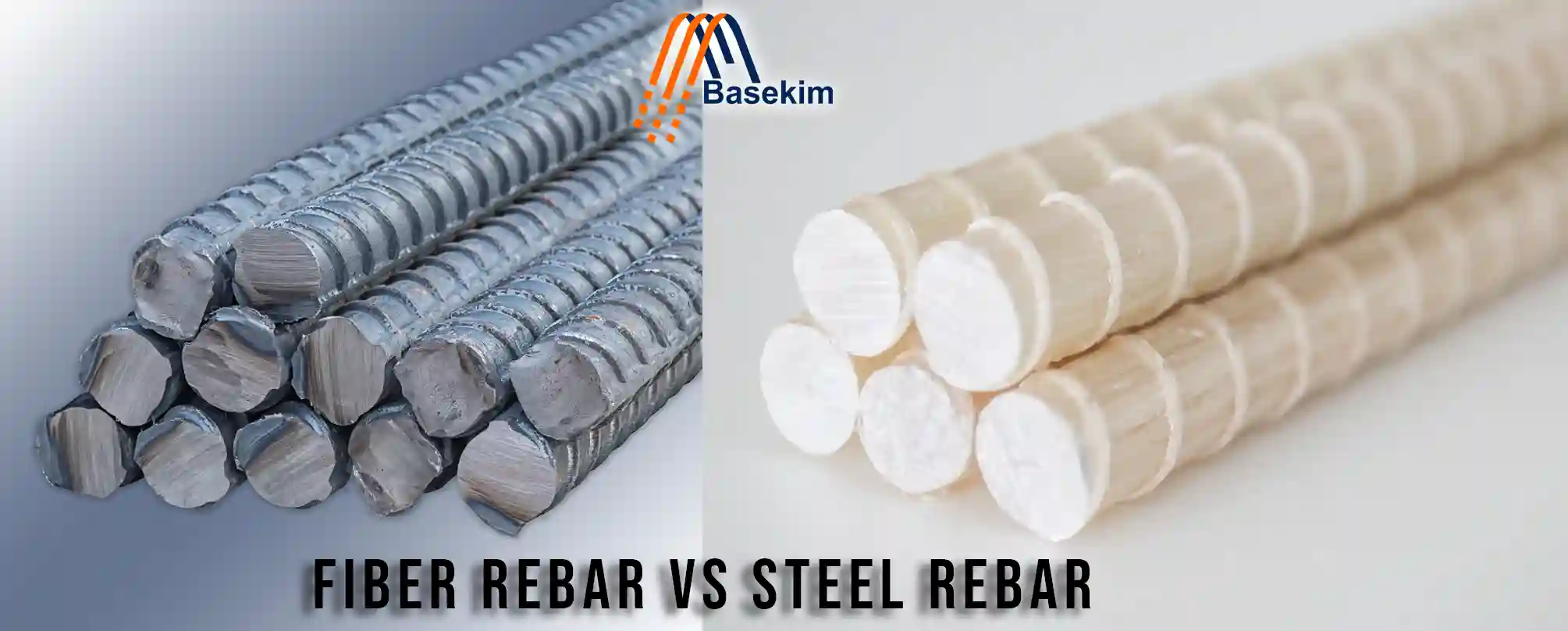
When comparing fiber rebar vs steel rebar, builders and engineers focus on performance, durability, and long-term value. Both materials strengthen concrete, but they behave very differently under stress, weather, and time. Choosing the right one can improve safety, reduce maintenance, and save money.
This guide breaks down the key differences clearly so you can make the best decision for your project.
Core Material Differences Between Fiber Rebar and Steel Rebar
Composition of Fiber Rebar
Fiber rebar uses composite materials such as glass fibers, basalt fibers, or carbon fibers combined with resin. These materials create a lightweight yet strong reinforcement option. Unlike metal, fiber rebar does not rust or corrode.
Composition of Steel Rebar
Steel rebar consists of carbon steel, often with ribbed surfaces for better bonding with concrete. It has been the industry standard for decades due to its strength and familiarity.
Strength Comparison: Fiber Rebar vs Steel Rebar
Tensile Strength Analysis
Fiber rebar offers high tensile strength, often exceeding that of traditional steel in certain applications. It performs especially well in tension-heavy environments.
Steel rebar also provides strong tensile support, but it can weaken over time due to corrosion.
Load-Bearing Capacity
Steel rebar handles compressive loads effectively and offers predictable structural behavior. Fiber rebar, while strong, behaves differently and may require design adjustments.
Corrosion Resistance and Durability
Environmental Impact on Steel Rebar
Steel rebar corrodes when exposed to moisture, salt, or chemicals. This corrosion expands inside concrete, leading to cracks and structural damage.
Fiber Rebar Resistance to Harsh Conditions
Fiber rebar does not rust. It resists chemicals, saltwater, and extreme weather. This makes it ideal for marine structures, bridges, and coastal construction.
Weight and Handling Advantages
Transportation Efficiency
Fiber rebar weighs up to 75% less than steel. This reduces transportation costs and simplifies logistics.
Installation Benefits
Workers can cut and carry fiber rebar easily without heavy equipment. This speeds up construction and lowers labor costs.
Cost Comparison of Fiber Rebar vs Steel Rebar
Initial Cost Differences
Steel rebar costs less upfront. Many contractors prefer it for budget-sensitive projects.
Fiber rebar often has a higher initial price, but the difference continues to shrink as demand grows.
Lifecycle Cost Analysis
Fiber rebar reduces maintenance costs because it does not corrode. Over time, it often becomes the more economical choice.
Suppliers like Basekim provide high-quality rebar solutions, helping builders choose materials that balance cost and performance effectively.
Safety and Performance Considerations
Electrical Conductivity
Steel conducts electricity, which can create safety risks in certain environments.
Fiber rebar does not conduct electricity, making it safer for projects near power lines or sensitive equipment.
Thermal Performance
Fiber rebar performs better in extreme temperatures. It does not expand or contract as much as steel, reducing stress inside concrete.
Applications: Where Each Rebar Performs Best
Ideal Uses for Fiber Rebar
Bridges and highways
Marine structures
Chemical plants
Parking decks
Coastal infrastructure
Ideal Uses for Steel Rebar
High-rise buildings
Heavy load structures
Foundations requiring compressive strength
Traditional construction projects
Environmental and Sustainability Factors
Fiber rebar supports sustainable construction. It lasts longer and reduces the need for repairs. Its lightweight nature also lowers carbon emissions during transport.
Steel rebar is recyclable, which helps sustainability efforts. However, its shorter lifespan in harsh environments can increase long-term environmental impact.
Fiber Rebar vs Steel Rebar: Which One Should You Choose?
The choice between fiber rebar vs steel rebar depends on your project needs.
Choose fiber rebar if you want:
Corrosion resistance
Lower maintenance
Lightweight materials
Long-term savings
Choose steel rebar if you need:
High compressive strength
Lower upfront cost
Traditional design compatibility
Many modern projects now favor fiber rebar for its durability and performance advantages.
FAQs Fiber Rebar vs Steel Rebar
1. Is fiber rebar stronger than steel rebar?
Fiber rebar has higher tensile strength in some cases, but steel rebar offers better compressive strength.
2. Does fiber rebar rust?
No, fiber rebar does not rust or corrode, making it ideal for harsh environments.
3. Why is steel rebar still widely used?
Steel rebar remains popular due to its lower initial cost and long history in construction.
4. Is fiber rebar more expensive?
Yes, upfront costs can be higher, but long-term savings often make it more cost-effective.
5. Can fiber rebar replace steel rebar completely?
Not entirely. Each material serves different structural needs, and engineers choose based on project requirements.
6. Which rebar is better for marine environments?
Fiber rebar performs better because it resists saltwater corrosion.
Conclusion Fiber Rebar vs Steel Rebar
The debate around fiber rebar vs steel rebar continues as construction technology evolves. Fiber rebar stands out for durability, corrosion resistance, and long-term value. Steel rebar still plays a vital role in heavy structural applications.
By understanding their differences, builders can choose the right material for safer, stronger, and more efficient projects.