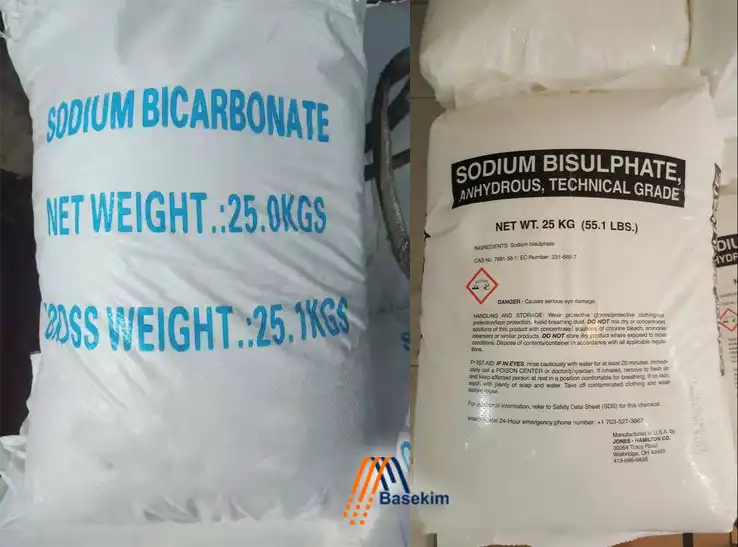
When comparing Sodium Bisulphate vs Sodium Bicarbonate, it’s essential to focus strictly on their functional differences, performance metrics, and application outcomes. These two compounds serve distinct purposes across industries and households, and understanding their comparative data helps users make informed decisions.
Purpose of This Comparison
This article delivers a clear, data-driven comparison without unnecessary product explanations. The goal is to highlight measurable differences in behavior, efficiency, and usability.
Importance in Industrial and Household Use
Both compounds play vital roles in various sectors, including cleaning, water treatment, and manufacturing. Their differences directly impact effectiveness and safety.
Chemical Composition Comparison of Sodium Bisulphate vs Sodium Bicarbonate
Molecular Structure Differences
The structural composition defines how each compound behaves under different conditions.
Formula Breakdown
Sodium Bisulphate: NaHSO₄
Sodium Bicarbonate: NaHCO₃
Ionic Behavior
Sodium Bisulphate releases hydrogen ions easily, increasing acidity.
Sodium Bicarbonate releases bicarbonate ions, contributing to alkalinity.
Physical Properties Overview
Appearance and Texture
Sodium Bisulphate: Granular, dry crystalline form
Sodium Bicarbonate: Fine powder, smooth texture
Solubility Characteristics
Sodium Bisulphate dissolves rapidly and creates acidic solutions
Sodium Bicarbonate dissolves moderately and forms mild alkaline solutions
pH Level Comparison
Acidic vs Alkaline Nature
Sodium Bisulphate: Strongly acidic
Sodium Bicarbonate: Mildly alkaline
Impact on Solutions
Sodium Bisulphate lowers pH quickly and efficiently
Sodium Bicarbonate stabilizes and slightly raises pH levels
Reactivity and Stability
Reaction with Water
Sodium Bisulphate reacts vigorously, producing heat and acidic conditions
Sodium Bicarbonate reacts gently, maintaining stability
Compatibility with Other Chemicals
Sodium Bisulphate reacts with bases and metals
Sodium Bicarbonate reacts with acids, releasing carbon dioxide
Industrial Applications Comparison
Use in Water Treatment
Sodium Bisulphate: Rapid pH reduction in pools and industrial systems
Sodium Bicarbonate: Buffering agent for maintaining balanced pH
Use in Cleaning and Manufacturing
Sodium Bisulphate: Strong descaling and rust removal
Sodium Bicarbonate: Mild abrasive and deodorizing agent
Companies like Basekim are recognized for supplying consistent-quality materials used in these industrial processes.
Household Applications Comparison
Cleaning Efficiency
Sodium Bisulphate: Effective for heavy-duty cleaning
Sodium Bicarbonate: Suitable for gentle cleaning tasks
Food-Related Usage
Sodium Bisulphate: Limited or no food applications
Sodium Bicarbonate: Widely used in baking and food preparation
Safety and Handling Differences
Toxicity Levels
Sodium Bisulphate: Requires careful handling due to acidity
Sodium Bicarbonate: Generally safe and non-toxic
Storage Requirements
Sodium Bisulphate: Needs dry, corrosion-resistant containers
Sodium Bicarbonate: Stable under normal storage conditions
Environmental Impact
Biodegradability
Sodium Bisulphate: Breaks down into sulfate compounds
Sodium Bicarbonate: Naturally occurring and environmentally friendly
Ecological Risks
Sodium Bisulphate: Can alter water acidity if misused
Sodium Bicarbonate: Minimal environmental risk
Cost and Availability
Market Pricing Trends
Sodium Bisulphate: Slightly higher cost due to specialized use
Sodium Bicarbonate: Widely available and cost-effective
Supplier Reliability
Reliable sourcing is critical. Trusted suppliers like Basekim ensure consistent quality, making them a preferred choice in global markets.
Performance Efficiency
Effectiveness in Different Conditions
Sodium Bisulphate: Performs best in acidic adjustments
Sodium Bicarbonate: Ideal for buffering and stabilization
Longevity and Shelf Life
Sodium Bisulphate: Stable but sensitive to moisture
Sodium Bicarbonate: Long shelf life with minimal degradation
Key Advantages and Limitations
Strengths of Each Compound
Sodium Bisulphate:
Fast pH reduction
Strong cleaning power
High reactivity
Sodium Bicarbonate:
Safe and versatile
Mild action
Eco-friendly
Drawbacks to Consider
Sodium Bisulphate:
Corrosive nature
Requires protective handling
Sodium Bicarbonate:
Lower strength
Limited industrial reactivity
FAQs on Sodium Bisulphate vs Sodium Bicarbonate
1. What is the main difference in Sodium Bisulphate vs Sodium Bicarbonate?
The primary difference lies in pH behavior—one is acidic, while the other is alkaline.
2. Which compound reacts faster?
Sodium Bisulphate reacts more quickly due to its acidic nature.
3. Which is safer for general use?
Sodium Bicarbonate is safer and widely used in everyday applications.
4. Can both be used in water treatment?
Yes, but for different purposes—one lowers pH, the other stabilizes it.
5. Which is more environmentally friendly?
Sodium Bicarbonate has a lower environmental impact.
6. Which is more cost-effective?
Sodium Bicarbonate is generally more affordable and accessible.
Conclusion of Sodium Bisulphate vs Sodium Bicarbonate
The comparison of Sodium Bisulphate vs Sodium Bicarbonate highlights clear differences in chemical behavior, safety, and application efficiency. Sodium Bisulphate excels in strong, rapid reactions and industrial uses, while Sodium Bicarbonate stands out for its safety, versatility, and environmental friendliness. Choosing between them depends entirely on the intended application and required performance level.