Aluminium Sulphate in Modern Textile Production
The Aluminium Sulphate Textile industry relies on stable chemical processing to achieve consistent fabric quality. Manufacturers use aluminium sulphate during dyeing, printing, wastewater treatment, and fabric finishing. This compound improves process efficiency and helps textile factories maintain production standards.
Textile producers need chemicals that deliver reliable performance across large production volumes. Aluminium sulphate supports color fixation, controls pH levels, and reduces impurities during processing. Many textile plants also use it to improve wastewater clarification before discharge or recycling.
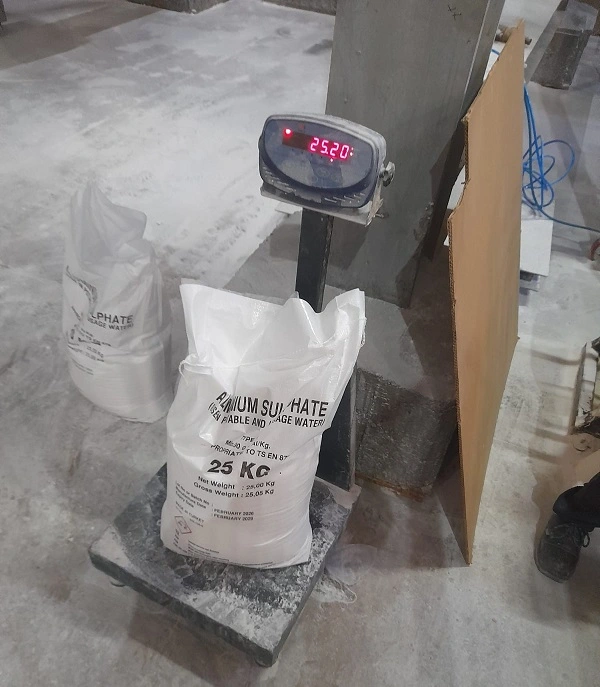
At Basekim, we supply high-quality aluminium sulphate for industrial applications. Our products support textile manufacturers that require stable quality and consistent supply.
Why the Aluminium Sulphate Textile Market Uses This Chemical
The Aluminium Sulphate Textile sector values efficiency and process stability. Aluminium sulphate offers several operational benefits for textile plants.
Key Advantages
Improves dye absorption on fabrics
Enhances color consistency
Helps remove suspended particles
Supports wastewater treatment systems
Controls pH during textile processing
Reduces chemical consumption in some operations
These advantages make aluminium sulphate an important raw material for textile factories worldwide.
Dye Fixation in Textile Manufacturing
Dye fixation is one of the most important uses of aluminium sulphate in textile production. Many fabrics require strong dye bonding to achieve bright and durable colors.
Aluminium sulphate acts as a mordant in several dyeing systems. It helps dyes attach more effectively to fibers. This process improves wash resistance and color stability.
Factories that produce cotton, wool, and blended fabrics often use aluminium sulphate during dye preparation and fixation stages. Better fixation reduces dye loss and improves production efficiency.
Aluminium Sulphate Textile Wastewater Treatment
Water Clarification in Textile Plants
The Aluminium Sulphate Textile industry generates wastewater that contains dyes, suspended solids, and chemical residues. Textile factories must treat this water before disposal or reuse.
Aluminium sulphate works as a coagulant in wastewater treatment systems. It binds fine particles together and allows them to settle quickly. This process improves water clarity and reduces contamination levels.
Efficient wastewater treatment helps textile manufacturers meet environmental standards. It also supports water recycling programs inside production facilities.
Reduced Environmental Impact
Many textile companies now focus on sustainable production methods. Aluminium sulphate helps reduce environmental impact through better water management.
Benefits include:
Faster sedimentation of particles
Lower turbidity levels
Improved filtration performance
Better sludge separation
Enhanced recycling efficiency
These improvements support cleaner textile operations.
Fabric Processing and Finishing
Textile manufacturers also use aluminium sulphate during fabric finishing operations. The chemical helps stabilize processing conditions and improve final fabric quality.
Factories apply it in several treatments that require controlled acidity. Stable pH levels help protect fibers and maintain processing consistency.
Aluminium sulphate can also support finishing formulations that improve fabric appearance and texture. This makes it useful for industrial textile production lines.
Choosing Quality Aluminium Sulphate for Textile Applications
Product Consistency Matters
The Aluminium Sulphate Textile sector depends on reliable chemical quality. Poor-quality raw materials can affect dye performance and wastewater treatment efficiency.
When selecting a supplier, textile manufacturers should evaluate:
Product purity
Solubility performance
Consistent particle size
Stable chemical composition
Reliable packaging and logistics
A trusted supplier helps reduce production risks and operational delays.
Industrial Supply from Turkey
Turkey has become an important sourcing hub for industrial chemicals and textile raw materials. Turkish suppliers support buyers across Europe, the Middle East, Africa, and Asia.
Basekim Aluminium Sulphate provides industrial-grade aluminium sulphate for textile manufacturers and industrial processors. We focus on stable supply, export support, and international logistics solutions.
Global Demand for Textile Chemicals
Global textile production continues to expand. Manufacturers need efficient chemicals that improve productivity while supporting environmental compliance.
Aluminium sulphate remains one of the most widely used compounds in textile processing. Its versatility makes it suitable for dyeing, water treatment, and finishing operations.
As sustainability requirements increase, textile factories continue investing in better wastewater treatment systems and more efficient chemical processes. Aluminium sulphate will remain an essential part of this transition.
Conclusion
The textile industry depends on reliable chemicals to maintain product quality and operational efficiency. Aluminium sulphate supports critical processes such as dye fixation, wastewater clarification, and fabric finishing.
The growing demand for efficient textile production continues to increase the importance of aluminium sulphate in industrial applications. Manufacturers that choose high-quality supply partners can improve process stability and long-term production performance.
For reliable sourcing and international supply support, textile manufacturers can explore industrial solutions from Basekim.