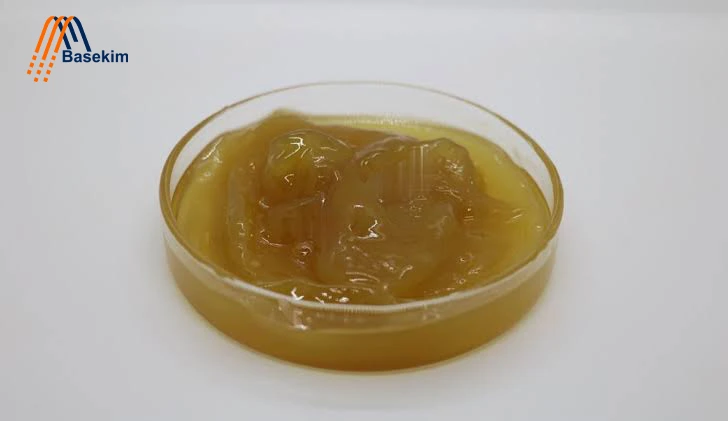
Understanding the Residue Wax Price is essential for manufacturers, traders, and industrial buyers involved in petroleum derived products. Pricing directly affects procurement costs, export profitability, inventory planning, and long term supply agreements. As international demand continues to grow across Asia, Africa, Europe, and the Middle East, buyers increasingly seek reliable information about market rates, export costs, and sourcing strategies.
In today’s competitive petrochemical market, residue wax prices can change due to fluctuations in crude oil values, transportation costs, product specifications, and regional demand. Therefore, buyers who understand pricing dynamics can negotiate better contracts and secure more favorable purchasing terms.
Moreover, global trade has made residue wax available from multiple producing countries, creating opportunities for bulk purchasing and international sourcing. However, differences in quality, packaging, logistics, and delivery terms can significantly influence the final cost.
This guide provides a comprehensive overview of current market conditions, pricing factors, export considerations, and purchasing strategies. Whether you are searching for Residue Wax Price Per Ton, evaluating Bulk Residue Wax Price offers, or comparing Residue Wax FOB Price and Residue Wax CIF Price quotations, this article offers practical commercial insights to support informed buying decisions.
Current Residue Wax Price Overview
The current Residue Wax Price varies depending on quality specifications, oil content, shipment volume, supplier location, and delivery terms. In international markets, residue wax is generally traded through direct supplier contracts, distributors, and export channels.
Prices are commonly quoted on a per ton basis. However, buyers should understand that the final cost often includes several variables beyond the base material value.
Key factors influencing current market quotations include:
Crude oil price movements
Refinery operating rates
Export availability
Freight costs
Packaging methods
Destination country requirements
Currency exchange fluctuations
Furthermore, buyers purchasing larger volumes often secure lower rates through annual contracts or long term supply agreements. As a result, the Bulk Residue Wax Price is usually more competitive than spot market purchases.
Similarly, exporters frequently adjust quotations based on freight market conditions and regional demand patterns. Therefore, obtaining updated quotations remains essential before making procurement decisions.
Factors Affecting Residue Wax Price
Several interconnected factors determine the final market value of residue wax. Understanding these variables helps buyers forecast costs and negotiate effectively.
Oil Content affection on Residue Wax Price
Oil content is one of the most significant pricing determinants.
Generally, residue wax with lower oil content commands a higher market value because it offers improved performance and broader industrial applications. In contrast, higher oil content products may be priced lower due to reduced processing quality.
Consequently, even small changes in oil percentage can influence overall pricing significantly.
Product Grade and Quality
Quality specifications directly affect the Industrial Foots Oil Price.
Common quality considerations include:
Oil percentage
Color
Consistency
Impurity levels
Moisture content
Storage stability
Moreover, buyers requiring stricter specifications usually pay premium prices due to additional refining and quality control requirements.
Crude Oil Market Trends
Crude oil remains the primary pricing benchmark for many petroleum derived products.
When global crude prices rise, residue wax costs often increase as production expenses grow. Conversely, declining crude prices may create downward pressure on market rates.
However, the relationship is not always immediate. Inventory levels and refinery output can delay pricing reactions.
Supply and Demand
Supply demand balance plays a crucial role in determining the Residue Wax Market Price.
When demand exceeds available supply, prices generally rise. On the other hand, oversupply conditions often create downward pricing pressure.
Demand drivers include:
Rubber manufacturing
Chemical processing
Industrial production
Construction related industries
Export trading activity
Meanwhile, refinery maintenance shutdowns can temporarily reduce supply and increase market prices.
Packaging Requirements
Packaging affects total procurement costs.
Common packaging options include:
| Packaging Type | Cost Impact |
|---|---|
| Bulk Tanker | Lowest |
| Jumbo Bags | Moderate |
| Steel Drums | Higher |
| Customized Packaging | Highest |
Therefore, buyers should evaluate packaging requirements carefully when comparing supplier quotations.
Export Destination
Destination markets significantly influence export pricing.
For example:
- Regional shipments often incur lower freight costs.
- Long distance exports require higher logistics expenses.
- Countries with stricter import regulations may generate additional compliance costs.
Consequently, the same product can have different export prices depending on the final destination.
Transportation Costs
Transportation remains one of the largest components of international trade costs.
Freight expenses are affected by:
- Fuel prices
- Shipping route availability
- Container demand
- Port congestion
- Seasonal logistics trends
As a result, transportation can substantially influence the final Residue Wax Export Price.
Residue Wax Price Per Ton
One of the most common questions from buyers concerns the Foots Oil Price Per Ton.
Although exact prices fluctuate regularly, quotations generally depend on:
- Product specifications
- Purchase volume
- Delivery terms
- Market conditions
- Supplier location
For industrial buyers, tonnage pricing remains the preferred procurement method because it simplifies cost calculations and contract negotiations.
Typical Pricing Considerations
When evaluating per ton quotations, buyers should assess:
Product quality specifications
Oil content levels
Packaging method
Shipment size
Incoterms
Payment conditions
Furthermore, larger orders often receive volume discounts.
Bulk Purchasing Advantages
The Bulk Residue Wax Price usually offers better value compared to smaller purchases.
Advantages include:
Lower unit cost
Stable supply availability
Reduced freight cost per ton
Improved negotiation leverage
Moreover, suppliers often prioritize long term customers during periods of market tightness.
Long Term Supply Contracts
Long term agreements provide several commercial benefits.
These include:
- Predictable pricing
- Supply security
- Budget planning advantages
- Reduced procurement risk
Consequently, many industrial buyers prefer annual or multi year purchasing arrangements.
FOB vs CIF Residue Wax Prices
Understanding trade terms is essential when comparing international quotations.
The most common pricing methods are FOB and CIF.
FOB vs CIF Comparison
| Cost Component | FOB | CIF |
|---|---|---|
| Product Cost | Included | Included |
| Export Clearance | Included | Included |
| Ocean Freight | Buyer | Seller |
| Insurance | Buyer | Seller |
| Destination Charges | Buyer | Buyer |
Which Option Is Better?
The best choice depends on buyer experience.
FOB may be preferable when:
Buyers have strong logistics networks.
Freight rates can be negotiated independently.
CIF may be preferable when:
Buyers prefer simplicity.
Importers have limited shipping experience.
Cost predictability is important.
Therefore, procurement teams should compare both options before finalizing purchases.
Global Residue Wax Market Trends
The global market continues to evolve as industrial demand expands across multiple regions.
Asia
Asia remains one of the largest consumption markets.
Strong industrial growth supports demand from:
Manufacturing sectors
Rubber processing industries
Chemical production facilities
Furthermore, expanding infrastructure projects contribute to increased consumption.
Middle East
The Middle East plays a significant role in both production and export activities.
Regional advantages include:
Access to feedstock
Large refining capacity
Strategic export locations
Consequently, the region remains an important supplier to international markets.
Africa
African demand continues to grow steadily.
Several countries increasingly import residue wax to support:
Industrial development
Manufacturing expansion
Construction related activities
Moreover, improving logistics infrastructure supports greater import volumes.
Europe
European buyers often prioritize:
Consistent quality
Regulatory compliance
Reliable documentation
As a result, suppliers targeting European markets must maintain strict quality standards.
How to Choose a Reliable Residue Wax Supplier
Selecting the right Residue Wax Supplier is just as important as obtaining a competitive price.
Evaluate Product Consistency
Reliable suppliers maintain stable quality across shipments.
Key indicators include:
Laboratory testing
Quality certificates
Batch consistency
Technical documentation
Review Export Experience
Export expertise reduces transaction risks.
Experienced suppliers understand:
Customs requirements
Shipping documentation
International regulations
Port procedures
Therefore, export capability should be a major selection criterion.
Verify Documentation
Professional suppliers provide:
Commercial invoices
Packing lists
Certificates of origin
Quality certificates
Safety documentation
Proper documentation helps avoid customs delays and import complications.
Assess Technical Support
Strong suppliers assist buyers with:
Product selection
Specification reviews
Logistics coordination
Quality questions
For example, companies such as Basekim participate in international residue wax markets and emphasize export oriented customer support.
Check Commercial Reliability
Buyers should also evaluate:
Industry reputation
Customer references
Financial stability
Response time
Consequently, supplier selection should balance price, quality, and reliability.
How to Request an Accurate Residue Wax Quotation
Many buyers receive inaccurate quotations because they provide incomplete information.
To obtain a precise offer, include the following details.
Product Specifications
Specify:
Oil content
Required quality grade
Application requirements
Desired consistency
The more detailed the specifications, the more accurate the quotation.
Quantity Requirements
State:
Monthly demand
Trial order volume
Annual purchasing forecast
Larger quantities may qualify for discounted pricing.
Destination Port
The destination determines freight costs.
Examples include:
Major commercial ports
Inland delivery points
Free trade zones
Therefore, always provide a clear destination location.
Packaging Preferences
Indicate preferred packaging options.
Examples:
Bulk loading
Jumbo bags
Drums
Packaging choices directly influence final costs.
Delivery Terms
Specify required Incoterms.
Common examples:
FOB
CIF
CFR
EXW
Clear delivery terms help suppliers prepare accurate commercial proposals.
Payment Conditions
Payment arrangements can also affect pricing.
Common methods include:
Wire transfer
Letter of credit
Documentary collection
Consequently, discussing payment expectations early can streamline negotiations.
Future Outlook for Residue Wax Prices
The future direction of Foots oil Price levels depends on several market forces.
Crude Oil Influence
Crude oil will likely remain the strongest pricing driver.
If energy markets strengthen, residue wax prices may rise accordingly.
However, temporary supply surpluses could moderate price increases.
Supply Developments
Refinery operating rates will continue influencing supply availability.
New production capacity may create additional export opportunities.
Nevertheless, maintenance shutdowns could periodically tighten supply.
Export Opportunities
Global trade is expected to expand further.
Growing industrial sectors in developing regions may increase import demand.
As a result, exporters could benefit from broader market access.
Logistics Trends
Shipping costs remain an important uncertainty.
Freight markets can change rapidly due to:
Fuel costs
Geopolitical developments
Port congestion
Trade route disruptions
Therefore, logistics expenses will continue affecting export pricing.
Market Expectations
Most industry observers expect stable long term demand growth.
Furthermore, industrial expansion across emerging markets should support continued consumption.
Consequently, suppliers and buyers who establish strong commercial relationships may gain a competitive advantage in future market cycles.
What is the current residue wax price?
The current Residue Wax Price depends on product quality, oil content, quantity, packaging requirements, and destination market. Most suppliers provide customized quotations based on buyer specifications.
What affects residue wax prices?
Residue wax prices are influenced by crude oil costs, supply and demand conditions, transportation expenses, packaging requirements, product quality, and export destination.
How is residue wax priced per ton?
The Residue Wax Price Per Ton is typically calculated according to quality specifications, order volume, delivery terms, packaging requirements, and market conditions.
What is the difference between FOB and CIF pricing?
The Residue Wax FOB Price includes costs up to vessel loading at the export port. The Residue Wax CIF Price includes freight and insurance costs to the destination port.
Does oil content affect residue wax price?
Yes. Oil content is a major pricing factor because it influences product characteristics, industrial suitability, and market demand.