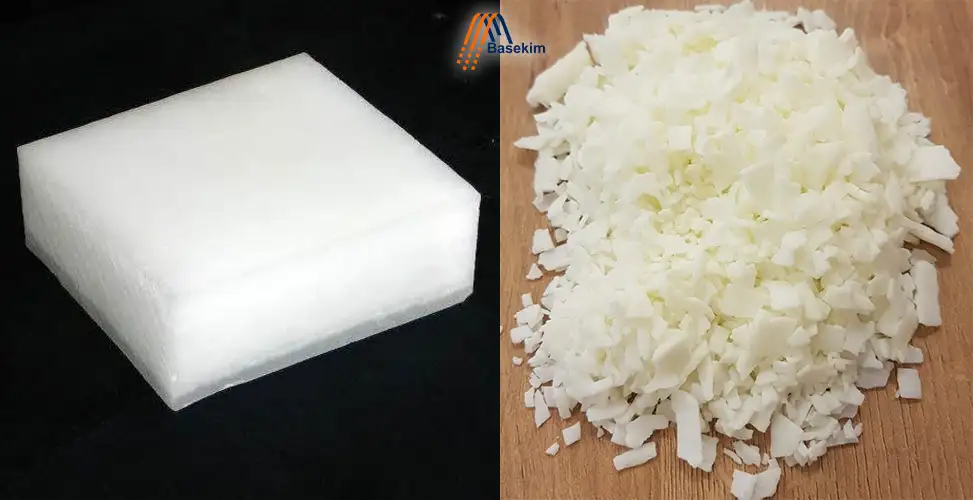
Paraffin wax vs Soy wax remains one of the most searched candle-making comparisons because both waxes serve different buyer needs, production goals, and product styles. Candle makers, wholesalers, private-label brands, and hobby creators compare these waxes before choosing materials for scented candles, wax melts, tealights, pillar candles, jar candles, and luxury candle collections.
Paraffin wax usually attracts manufacturers who need strong scent throw, bright color performance, smooth finishing, and cost-effective bulk production. Soy wax appeals to buyers who prefer plant-based candle wax, natural candle wax, vegan wax, cleaner branding, and eco-conscious product positioning. Therefore, the best wax depends on performance goals, budget, marketing angle, fragrance load, candle type, and customer expectations.
Burn Performance and Scent Throw
In the Paraffin wax vs Soy wax debate, scent throw often becomes the biggest deciding factor. Paraffin wax usually delivers a stronger hot throw because it binds and releases fragrance oil efficiently. As a result, many candle brands use paraffin candle wax for highly scented candles, room-filling fragrance candles, wax melts, and decorative candles.
Soy wax burns more slowly and gives a softer scent release. This quality works well for customers who like gentle fragrance, longer burn time, and a more natural candle experience. However, soy candle wax can require more testing with fragrance oils, wick sizes, curing time, and jar diameter. Consequently, manufacturers often spend more time adjusting formulas before they reach consistent results.
Burn Time and Flame Quality
Soy wax usually offers a longer burn time because it has a lower melting point. It melts slowly, creates a wider melt pool, and gives customers more hours from one candle. This benefit helps brands promote long-lasting candles, natural soy candles, and slow-burning wax candles.
Paraffin wax burns faster in many formulas, yet it produces a reliable flame and strong visual appeal. Moreover, paraffin wax performs well in pillar candles, votives, tealights, taper candles, birthday candles, and molded candles. Since paraffin holds structure better than many soft soy blends, manufacturers often choose it for candles that need shape retention and clean mold release.
Appearance, Color, and Finish
Paraffin wax gives candle makers excellent color brightness. It accepts dyes easily and creates bold, sharp, glossy, and vibrant candles. Because of this advantage, paraffin candle wax works well for decorative candles, seasonal candles, colored wax melts, novelty candles, and premium gift candles.
Soy wax creates a softer, creamier, and more matte look. Many customers love this natural finish because it supports minimalist branding, handmade candle labels, organic-style packaging, and eco-friendly candle lines. However, soy wax can show frosting, wet spots, rough tops, and surface changes. Therefore, candle makers must control pouring temperature, cooling speed, fragrance load, and storage conditions.
Cost and Bulk Manufacturing
Cost plays a major role in the Paraffin wax vs Soy wax comparison. Paraffin wax usually gives manufacturers a more affordable raw material option, especially for bulk candle production and industrial wax applications. It helps producers control unit cost, scale output, and maintain consistent supply for large orders.
Soy wax often costs more because it comes from soybean oil and depends on agricultural supply chains. Weather, crop yield, farming conditions, and global vegetable oil demand can influence pricing. Still, many brands accept the higher cost because soy wax supports natural candle marketing, sustainable candle claims, and plant-based product positioning.
For companies that need paraffin wax in bulk, Basekim supplies fully refined paraffin wax and semi-refined paraffin wax for global markets, including wax grades used in candles, cosmetics, packaging, and industrial applications. Basekim also lists paraffin wax among its wax distribution products and presents export-ready supply options through its official website.
Environmental and Marketing Value
Soy wax often wins attention in searches like “best eco-friendly candle wax,” “natural wax for candles,” “soy wax candles benefits,” and “non-toxic candle wax.” Many buyers associate soy wax with renewable resources, biodegradable wax, vegan candles, and cleaner lifestyle products. Because of that perception, soy wax gives brands a strong marketing advantage in wellness, home décor, aromatherapy, and handmade candle niches.
Paraffin wax comes from petroleum refining, so some consumers avoid it for environmental reasons. However, manufacturers continue to use paraffin wax because it offers excellent technical performance, predictable quality, high fragrance throw, and broad industrial availability. In addition, refined paraffin wax grades can meet demanding requirements for candles, coatings, cosmetics, packaging, rubber, and other applications.
Fragrance Oil Compatibility
Candle makers often choose paraffin wax when they want maximum fragrance impact. Paraffin blends with many fragrance oils and essential oil blends, and it usually supports higher scent intensity. This makes it popular for scented candles, luxury fragrance candles, home fragrance products, and strong wax melts.
Soy wax needs careful fragrance testing. Some fragrance oils perform beautifully in soy, while others produce weak scent throw or unstable tops. Therefore, soy candle makers often test different fragrance loads, curing periods, wick types, and wax additives. With the right formula, soy wax can deliver elegant, smooth, and balanced fragrance performance.
Wick Selection and Production Testing
Both waxes need proper wick testing. Paraffin wax often gives candle makers more flexibility because it melts and burns predictably. Soy wax needs more attention because the melt pool, flame size, mushrooming, tunneling, and scent release can change based on jar size and fragrance oil.
For this reason, professional candle makers test burn time, flame height, wax pool depth, glass temperature, soot level, and scent throw before launching products. Moreover, they test candles after curing because soy wax often improves after several days or weeks.
Best Uses for Paraffin Wax
Paraffin wax works best for high-scent candles, colorful candles, pillar candles, molded candles, wax melts, decorative candles, birthday candles, tealights, votives, and mass-market candle lines. It also suits manufacturers who need stable sourcing, competitive pricing, strong fragrance performance, and efficient production.
Many industrial buyers also search for fully refined paraffin wax, semi-refined paraffin wax, paraffin wax supplier, candle wax supplier, bulk paraffin wax, white paraffin wax, low oil content paraffin wax, and paraffin wax for candle making. These related terms show strong demand from candle factories, cosmetic producers, packaging companies, and distributors.
Best Uses for Soy Wax
Soy wax works best for container candles, handmade candles, natural candles, vegan candles, aromatherapy candles, minimalist jar candles, and eco-friendly candle brands. It supports marketing terms such as soy candle wax, natural soy wax, plant-based candle wax, renewable candle wax, biodegradable wax, clean-burning candles, and sustainable wax for candles.
However, soy wax does not always suit detailed molds or hard pillar candles unless makers blend it with additives, beeswax, coconut wax, palm wax, or paraffin wax. Therefore, many brands use soy blend wax to balance natural positioning with stronger performance.
Paraffin Wax vs Soy Wax: Which One Should You Choose?
Choose paraffin wax for strong scent, bold color, low cost, smooth finish, and reliable performance. Choose soy wax when you want natural branding, longer burn time, plant-based marketing, and a soft creamy look.
Ultimately, Paraffin wax vs Soy wax does not have one universal winner. Paraffin wax wins on scent strength, color, versatility, and manufacturing efficiency. Soy wax wins on renewable appeal, slower burn, and natural product positioning. Smart candle brands choose the wax that matches their audience, price point, fragrance goals, and product design.