- About Us
- Contact Us
- English


Buy Bitumen PG 70-16 for High-Performance Asphalt
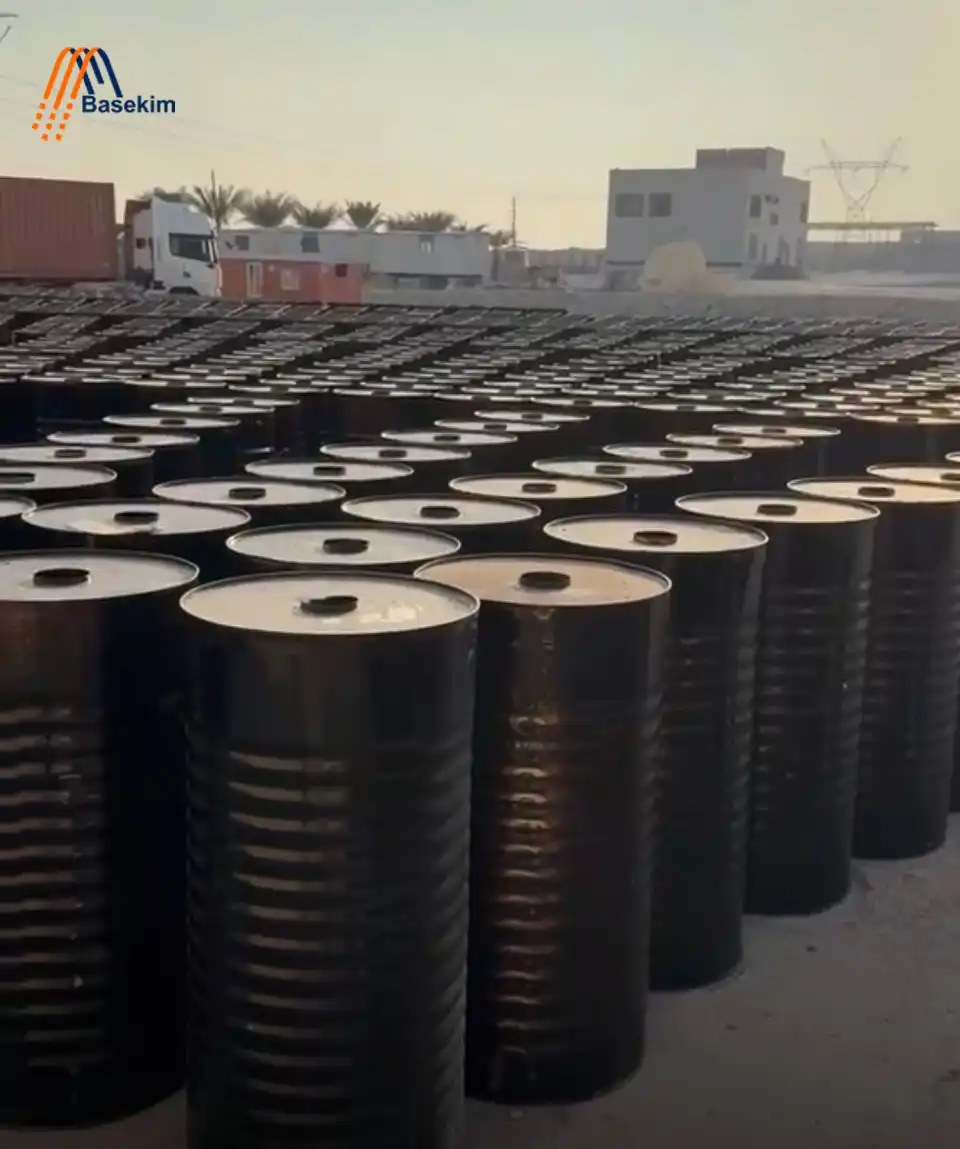
Modern infrastructure demands stronger, longer-lasting, and more climate-resistant paving materials. Therefore, engineers and contractors increasingly rely on Bitumen PG 70-16 for demanding pavement applications. This advanced asphalt binder performs exceptionally well under heavy traffic loads and high pavement temperatures. Moreover, it helps road networks maintain structural stability for longer periods while reducing maintenance costs.
The term “PG” stands for Performance Grade, which comes from the Superpave asphalt binder classification system. Unlike older penetration or viscosity grading systems, the PG system evaluates asphalt performance according to real pavement temperatures. Consequently, engineers can select the most suitable binder for specific climate and traffic conditions.
Today, PG 70-16 bitumen plays a critical role in highways, airport runways, industrial roads, and urban infrastructure. Because of its enhanced resistance to rutting and thermal stress, this binder supports long-term pavement durability. In addition, it provides improved resistance against deformation during extreme summer temperatures.
Road authorities prefer performance grade bitumen 70-16 in regions that experience hot climates and heavy traffic movement. Furthermore, many infrastructure projects use this material to improve pavement lifespan and reduce lifecycle costs. As a result, contractors achieve better performance with fewer repairs and lower operational disruptions.
What is PG 70-16 Bitumen?
PG 70-16 bitumen is a performance-graded asphalt binder designed to withstand high pavement temperatures of 70°C and low temperatures down to -16°C. Engineers use this binder mainly in areas with high summer temperatures and moderate winter conditions.
The Superpave grading system developed under the Strategic Highway Research Program introduced the PG classification method. Unlike traditional grading systems, Superpave focuses on actual pavement performance instead of only laboratory penetration values. Consequently, the system provides more accurate predictions for pavement durability and resistance.
Understanding the Meaning of PG 70-16
The grading numbers in Asphalt PG 70-16 indicate pavement temperature limits:
| Grade Component | Meaning |
|---|---|
| PG | Performance Grade |
| 70 | Maximum pavement temperature in °C |
| -16 | Minimum pavement temperature in °C |
Therefore, this binder performs effectively in climates where pavement temperatures reach 70°C during summer while remaining resistant to cracking down to -16°C in winter.
Why Pavement Temperature Matters
Pavement surfaces often become much hotter than air temperatures. For example, a road in a desert region may experience pavement temperatures above 65°C even when air temperatures remain around 40°C. Because of this, standard asphalt binders may soften and deform under traffic loads.
However, PG 70-16 asphalt binder maintains its stiffness and structural stability at elevated temperatures. As a result, it reduces rutting, wheel path deformation, and surface bleeding.
How Engineers Select PG Grades
Engineers choose asphalt binder grades according to:
-
Climate conditions
-
Traffic intensity
-
Axle loads
-
Pavement structure
-
Road function
-
Expected service life
For instance, highways carrying heavy trucks in hot regions require stronger binders than low-volume rural roads. Therefore, many transportation agencies specify high temperature asphalt binder grades like PG 70-16 for critical infrastructure.
PG 70-16 Specifications
The technical specifications of PG 70-16 bitumen define its performance characteristics under different loading and temperature conditions. Moreover, these specifications ensure consistency and quality during production and construction.
Typical PG 70-16 Specifications Table
| Property | Test Method | Typical Requirement |
|---|---|---|
| Performance Grade | AASHTO M320 | PG 70-16 |
| Maximum Pavement Temp | AASHTO M320 | 70°C |
| Minimum Pavement Temp | AASHTO M320 | -16°C |
| Flash Point | ASTM D92 | Min 230°C |
| Rotational Viscosity at 135°C | ASTM D4402 | Max 3 Pa.s |
| Dynamic Shear Rheometer (DSR) Original | AASHTO T315 | G*/Sinδ ≥ 1.0 kPa |
| DSR after RTFO Aging | AASHTO T315 | G*/Sinδ ≥ 2.2 kPa |
| BBR Stiffness at Low Temp | AASHTO T313 | ≤ 300 MPa |
| Direct Tension Test | AASHTO T314 | Min 1% strain |
| Rolling Thin Film Oven (RTFO) | ASTM D2872 | Required |
| Pressure Aging Vessel (PAV) | ASTM D6521 | Required |
| Solubility | ASTM D2042 | ≥ 99% |
| Specific Gravity | ASTM D70 | Approx. 1.01–1.06 |
Importance of AASHTO Standards
AASHTO standards ensure that asphalt binders deliver predictable field performance. Consequently, agencies and contractors can maintain construction quality across different projects.
In addition, these standards improve compatibility between suppliers, laboratories, and pavement designers. Because of this consistency, infrastructure projects achieve higher reliability and longer service life.
Properties of PG 70-16 Asphalt Binder
The performance of PG 70-16 asphalt binder comes from its carefully engineered rheological and thermal properties. Moreover, these properties directly affect pavement lifespan and maintenance frequency.
Excellent Rutting Resistance
Rutting occurs when asphalt surfaces deform permanently under repeated traffic loads. This problem becomes more severe in hot climates because conventional binders soften at elevated temperatures.
However, rutting resistant bitumen like PG 70-16 maintains structural integrity under stress. Consequently, pavements retain smoother surfaces and better driving safety.
Strong Fatigue Resistance
Repeated traffic loading creates microcracks inside asphalt layers. Eventually, these cracks expand and damage the pavement.
Fortunately, performance grade asphalt improves flexibility and stress distribution. Therefore, roads resist fatigue cracking for longer periods.
Thermal Cracking Resistance
Temperature fluctuations cause asphalt contraction and expansion. If the binder becomes too brittle, thermal cracks appear.
Because performance grade bitumen 70-16 remains flexible at low temperatures, it minimizes thermal cracking risks. As a result, pavements perform better during seasonal temperature changes.
Enhanced Durability
Oxidation and aging gradually harden asphalt binders. Consequently, pavements lose flexibility and become more vulnerable to cracking.
Modern polymer modified asphalt binder technologies improve aging resistance significantly. Therefore, PG 70-16 offers better long-term durability than many traditional binders.
Improved Moisture Resistance
Water infiltration weakens pavement structures and reduces adhesion between asphalt and aggregates. However, PG 70-16 provides strong aggregate bonding properties.
As a result:
-
Moisture damage decreases
-
Stripping risks reduce
-
Pavement integrity improves
-
Surface life extends
Applications of PG 70-16 Bitumen
Because of its high-temperature stability and heavy-load performance, PG 70-16 applications cover many infrastructure sectors.
Highways
Major highways carry constant heavy truck traffic. Therefore, they require durable asphalt binders with superior rutting resistance.
Asphalt PG 70-16 performs effectively in:
-
Expressways
-
National highways
-
Freight corridors
-
Toll roads
Airports
Airport pavements experience intense loading from aircraft wheels and fuel exposure. Consequently, engineers use stronger asphalt binders for runway durability.
PG 70-16 supports:
-
Runways
-
Taxiways
-
Aprons
-
Cargo terminals
Urban Roads
City streets face continuous braking, acceleration, and traffic congestion. Because of this, urban pavements often develop rutting and surface deformation.
However, PG 70-16 improves resistance to these stresses while maintaining ride quality.
Heavy Traffic Pavements
Industrial transport routes and logistics hubs require stronger pavement structures. Therefore, contractors use asphalt binder for hot climates in these demanding environments.
Industrial Zones
Industrial areas often support overloaded trucks and slow-moving heavy equipment. Consequently, pavements require excellent load-bearing capability.
PG 70-16 performs well in:
-
Factory roads
-
Port terminals
-
Mining facilities
-
Container yards
Bridge Decks
Bridge decks experience constant vibration and thermal movement. Additionally, they require moisture-resistant asphalt systems.
Because of its flexibility and adhesion performance, PG 70-16 supports bridge deck waterproofing and durability.
Hot Climate Roads
Roads in desert and tropical regions suffer severe thermal stress. Traditional asphalt may soften excessively under these conditions.
However, high temperature asphalt binder grades like PG 70-16 maintain pavement stability and reduce deformation risks.
Advantages of PG 70-16 Bitumen
Modern pavement engineers prefer PG 70-16 bitumen because it offers several performance and economic advantages.
Longer Pavement Life
Durable binders reduce structural deterioration over time. Consequently, pavements maintain serviceability for longer periods.
Moreover, longer pavement life reduces reconstruction frequency and infrastructure disruption.
Reduced Maintenance Costs
Road maintenance creates significant operational expenses. However, stronger asphalt binders reduce:
-
Rutting repairs
-
Crack sealing
-
Surface patching
-
Overlay frequency
As a result, authorities lower long-term maintenance budgets.
Better Load Resistance
Heavy truck traffic creates enormous pavement stress. Fortunately, PG 70-16 asphalt binder withstands repeated axle loads more effectively than softer binders.
Therefore, roads maintain structural performance under demanding traffic conditions.
Superior High-Temperature Stability
High summer temperatures soften many asphalt binders. Consequently, pavements may deform under traffic pressure.
However, PG 70-16 maintains higher stiffness at elevated temperatures. Because of this, pavements resist bleeding and rutting more effectively.
Improved Overall Pavement Performance
Modern infrastructure requires materials that balance durability, flexibility, and environmental resistance. Therefore, Superpave asphalt binder systems continue gaining popularity worldwide.
PG 70-16 delivers:
-
Better ride quality
-
Improved pavement smoothness
-
Enhanced skid resistance
-
Reduced structural damage
-
Longer service intervals
PG 70-16 vs PG 64-22
Many engineers compare PG 70-16 vs PG 64-22 when selecting asphalt binders for pavement projects.
Comparison Table
| Feature | PG 70-16 | PG 64-22 |
|---|---|---|
| High Temp Performance | 70°C | 64°C |
| Low Temp Performance | -16°C | -22°C |
| Rutting Resistance | Higher | Moderate |
| Flexibility in Cold Climate | Lower | Higher |
| Best Climate | Hot regions | Moderate/cold regions |
| Heavy Traffic Suitability | Excellent | Good |
| Cost | Higher | Moderate |
| Common Use | Highways, airports | General roads |
Climate Performance Comparison
PG 70-16 performs better in extremely hot climates because it maintains stiffness at higher pavement temperatures.
Meanwhile, PG 64-22 offers better low-temperature flexibility. Therefore, colder regions often prefer PG 64-22.
Flexibility Comparison
Lower temperature grades indicate better cold-weather flexibility. Consequently, PG 64-22 handles colder winters more effectively.
However, PG 70-16 offers superior rutting resistance in hot weather conditions.
Application Differences
Transportation agencies usually select PG 70-16 for:
-
Heavy truck routes
-
Desert highways
-
Industrial pavements
-
Airport surfaces
On the other hand, PG 64-22 suits moderate climates with seasonal freezing conditions.
PG 70-16 vs VG30
Many international markets still use viscosity grading systems. Therefore, engineers frequently compare PG 70-16 vs VG30.
Grading System Differences
VG30 uses viscosity measurements at specific temperatures. Meanwhile, PG grading evaluates actual pavement performance under climate conditions.
Consequently, the PG system provides more accurate field performance predictions.
Performance Comparison
| Property | PG 70-16 | VG30 |
|---|---|---|
| Grading Method | Performance-based | Viscosity-based |
| Climate Design | Yes | Limited |
| Rutting Resistance | Excellent | Moderate |
| Thermal Cracking Control | Better | Moderate |
| Traffic Performance | Superior | Standard |
| Modern Superpave Compatibility | Yes | Limited |
Application Comparison
VG30 remains common in conventional road construction. However, modern high-performance infrastructure increasingly adopts performance grade asphalt systems.
PG 70-16 provides stronger resistance against:
-
High-temperature deformation
-
Heavy traffic stress
-
Long-term aging
-
Moisture damage
Climate Suitability
Hot climate regions benefit significantly from PG-based systems because these binders match local pavement temperature conditions more accurately.
Technical Tests for PG 70-16
Laboratories perform several tests to evaluate PG 70-16 specifications and field performance.
Dynamic Shear Rheometer (DSR) Test
The DSR test evaluates binder stiffness and elastic behavior at high temperatures.
Specifically, it measures:
-
Rutting resistance
-
Shear response
-
Elastic recovery
Consequently, engineers can predict pavement deformation risks.
Rolling Thin Film Oven (RTFO) Test
RTFO simulates short-term aging during asphalt mixing and paving operations.
This test evaluates:
-
Volatile loss
-
Oxidation resistance
-
Mixing durability
Pressure Aging Vessel (PAV) Test
The PAV test simulates long-term pavement aging.
Therefore, laboratories can estimate:
-
Durability
-
Oxidative hardening
-
Fatigue resistance
Bending Beam Rheometer (BBR) Test
The BBR test measures low-temperature stiffness and relaxation properties.
Consequently, engineers assess thermal cracking resistance during winter conditions.
Flash Point Test
The flash point test evaluates safe heating temperatures during production and transportation.
Higher flash points improve operational safety during asphalt handling.
Viscosity Test
Viscosity directly affects mixing and compaction performance.
Therefore, laboratories evaluate binder flow behavior at elevated temperatures to ensure proper construction quality.
Packing and Transportation
Proper packaging and transportation maintain the quality and performance of Bitumen PG 70-16.
Drum Packing
Steel drums provide safe and convenient packaging for export shipments.
Typical drum sizes include:
-
150 kg
-
180 kg
-
200 kg
Moreover, drum packing protects the binder from contamination during transport.
Jumbo Bags
Some suppliers offer polymer-lined jumbo bags for easier bulk handling.
Consequently, contractors can reduce unloading time and improve logistics efficiency.
Bulk Transportation
Large infrastructure projects often use bulk tanker transportation.
This method offers several advantages:
-
Lower packaging costs
-
Faster unloading
-
Reduced material waste
-
Higher operational efficiency
Storage Recommendations
Proper storage significantly affects asphalt binder quality.
Recommended practices include:
-
Maintain controlled temperatures
-
Avoid overheating
-
Prevent water contamination
-
Use insulated storage tanks
-
Monitor storage duration
Additionally, operators should rotate inventory regularly to maintain product consistency.
PG 70-16 Price Factors
The PG 70-16 price varies according to multiple technical and market factors.
Crude Oil Prices
Bitumen originates from petroleum refining. Therefore, global crude oil fluctuations directly influence asphalt binder prices.
When oil prices rise, asphalt production costs increase accordingly.
Polymer Modification
Some polymer modified asphalt binder formulations contain advanced additives that improve performance.
However, these additives increase manufacturing costs. Consequently, modified grades often cost more than conventional binders.
Transportation Costs
Shipping expenses significantly affect delivered prices.
Several factors influence transportation costs:
-
Export distance
-
Fuel prices
-
Packaging type
-
Port handling charges
-
Inland logistics
Supply and Demand
Seasonal paving demand influences market pricing. For example, construction activity typically increases during warmer months.
As a result, asphalt prices may rise during peak paving seasons.
Export Market Conditions
International trade conditions also affect asphalt pricing.
These factors include:
-
Currency exchange rates
-
Trade regulations
-
Export duties
-
Regional shortages
-
Global refinery capacity
Consequently, buyers should monitor market trends carefully before large-volume procurement.
How to Choose a Reliable PG 70-16 Supplier
Selecting reliable PG 70-16 suppliers plays a major role in pavement quality and project success.
Check Certifications
Trusted suppliers should comply with recognized industry standards.
Important certifications include:
-
ISO quality systems
-
AASHTO compliance
-
ASTM testing standards
-
Environmental certifications
Evaluate Quality Control Systems
Strong quality control ensures consistent binder performance.
Therefore, buyers should review:
-
Laboratory facilities
-
Testing procedures
-
Batch consistency
-
Technical documentation
Assess Technical Support
Professional suppliers provide engineering and technical assistance during project planning and construction.
This support may include:
-
Binder recommendations
-
Testing guidance
-
Application advice
-
Storage instructions
Review Export Capability
International projects require suppliers with strong logistics experience.
Reliable exporters should offer:
-
Professional packaging
-
Documentation support
-
Timely shipping
-
Customs coordination
For example, companies like Basekim supply various grades of performance asphalt binders for international infrastructure markets.
Conclusion
Bitumen PG 70-16 has become one of the most important materials in modern pavement engineering. Because of its superior high-temperature stability, excellent rutting resistance, and long-term durability, this binder supports the construction of stronger and safer infrastructure.
Moreover, PG 70-16 bitumen performs exceptionally well under heavy traffic loads and demanding environmental conditions. Consequently, transportation agencies and contractors increasingly prefer it for highways, airports, industrial zones, and urban roads.
Compared with traditional binders, performance grade bitumen 70-16 provides more reliable pavement performance through scientifically engineered temperature-based grading. In addition, it reduces maintenance frequency and improves lifecycle cost efficiency.
The growing demand for durable infrastructure continues driving the adoption of PG 70-16 asphalt binder worldwide. Furthermore, advances in Superpave asphalt technology continue improving pavement reliability and sustainability.
Ultimately, Asphalt PG 70-16 plays a critical role in building long-lasting transportation networks that support economic growth, industrial development, and modern mobility.
What does PG 70-16 mean?
PG 70-16 refers to a performance grade asphalt binder that performs at high pavement temperatures up to 70°C and low temperatures down to -16°C.
What is PG 70-16 used for?
Engineers use PG 70-16 for highways, airports, heavy traffic roads, bridge decks, industrial pavements, and hot climate infrastructure.
Is PG 70-16 suitable for hot climates?
Yes. PG 70-16 offers excellent rutting resistance and thermal stability in high-temperature regions.
What is the difference between PG 70-16 and PG 64-22?
PG 70-16 provides better high-temperature performance and rutting resistance, while PG 64-22 offers better flexibility in colder climates.

Contact Info
Ankara Office
No.6, Fahrettin Pasa St. (613), Ilkbahar, Cankaya – Ankara
Tel: +90 312 514 70 55
Istanbul Office
No. 219, Sogut St., No.20, T4A Block, Maslak, Sariyer – Istanbul
Tel: +90 212 807 22 33
Dubai Office
No.3509, The Burlington Tower, Business Bay, Dubai – UAE
Tel: +971 4 236 98 30