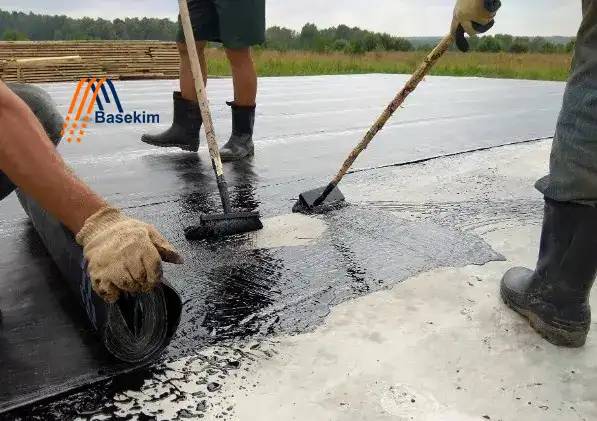
When it comes to protecting structures from water damage, choosing the right system is critical. The debate around bitumen membrane vs liquid waterproofing continues to be a common topic among builders, contractors, and property owners. Both solutions serve the same purpose—keeping water out—but they differ significantly in application, performance, and suitability.
In this article, we’ll break down both systems in a clear and practical way so you can decide which option works best for your project.
Understanding Bitumen Membranes
Bitumen membranes are one of the most traditional waterproofing methods used in construction. Manufacturers typically produce them from modified bitumen, often reinforced with materials like polyester or fiberglass to increase durability.
Contractors install these membranes in sheets, either by torching them onto surfaces or by using self-adhesive backing. This creates a thick, protective layer over roofs, foundations, or basements.
Key Advantages of Bitumen Membranes
One of the biggest strengths of bitumen membranes lies in their durability. These systems can withstand harsh weather conditions, including heavy rain, UV exposure, and temperature fluctuations.
They also offer:
High mechanical strength
Long lifespan
Proven reliability in large-scale projects
Because installers apply them in layers, bitumen membranes create a robust barrier that resists punctures and wear.
Limitations of Bitumen Membranes (in terms of Bitumen Membrane vs Liquid Waterproofing)
Despite their strengths, bitumen membranes come with some drawbacks. Installation requires skilled labor and specialized equipment, especially when using torch-applied systems. This can increase both cost and installation time.
Additionally, seams between sheets can become weak points over time if not installed properly. These joints may allow water infiltration if they fail.
Understanding Liquid Waterproofing
Liquid waterproofing is a newer and increasingly popular solution. Instead of sheets, contractors apply a liquid coating that cures into a seamless, rubber-like membrane.
This method works well for complex surfaces where traditional membranes may struggle.
Key Advantages of Liquid Waterproofing
The standout benefit of liquid waterproofing is its seamless application. Because there are no joints or overlaps, the risk of leaks significantly decreases.
Other advantages include:
Easy application on irregular surfaces
Flexibility to accommodate structural movement
Faster installation in many cases
Lightweight compared to sheet membranes
Liquid systems also adapt well to details like corners, penetrations, and curves, making them highly versatile.
Limitations of Liquid Waterproofing
Liquid waterproofing systems depend heavily on proper application. Uneven thickness or poor surface preparation can lead to performance issues.
They may also require multiple coats to achieve the desired thickness, which can extend project timelines if not planned correctly.
Bitumen Membrane vs Liquid Waterproofing: Key Differences
To better understand the bitumen membrane vs liquid waterproofing comparison, let’s explore their main differences across several factors.
1. Application Method
Bitumen membranes require rolling out sheets and sealing them with heat or adhesive. This process demands precision and experience.
Liquid waterproofing, on the other hand, involves brushing, rolling, or spraying a coating onto the surface. This makes it easier to apply, especially in tight or complex areas.
2. Seamless Protection
Seams represent the biggest difference between the two systems. Bitumen membranes include joints where sheets overlap, while liquid waterproofing forms a completely seamless layer.
This gives liquid systems a clear advantage in areas prone to leaks.
3. Flexibility
Liquid waterproofing offers superior flexibility. It can expand and contract with building movement without cracking.
Bitumen membranes provide some flexibility but may become less adaptable over time, especially under extreme temperature changes.
4. Durability
Bitumen membranes have a long track record of durability, particularly in heavy-duty applications like commercial roofing.
Liquid systems also perform well, but their longevity depends heavily on product quality and proper application.
5. Maintenance
Liquid waterproofing systems are easier to repair. You can simply reapply the coating over damaged areas.
Repairing bitumen membranes often requires patching or replacing sections, which can be more labor-intensive.
Where Each System Works Best
Choosing between bitumen membrane vs liquid waterproofing depends on your project requirements.
Best Uses for Bitumen Membranes
Large flat roofs
Foundations and basements
Projects requiring heavy-duty protection
These systems excel in environments where durability and long-term performance matter most.
Best Uses for Liquid Waterproofing
Complex roof designs
Balconies and terraces
Wet areas like bathrooms and kitchens
Liquid systems shine in projects that require flexibility and seamless coverage.
Cost Considerations
Cost often plays a major role in decision-making. Bitumen membranes may have higher installation costs due to labor and equipment requirements.
Liquid waterproofing can reduce labor costs, but high-quality products may balance out the savings.
Working with a reliable supplier like Basekim ensures you get high-performance materials that match your budget and project needs.
Environmental and Safety Factors
Modern construction increasingly focuses on sustainability and safety. Liquid waterproofing systems often produce fewer fumes during application, especially when water-based.
Torch-applied bitumen membranes involve open flames, which can pose safety risks if not handled correctly.
Choosing safer, environmentally friendly products from trusted providers like Basekim can make a significant difference in both worker safety and environmental impact.
Which One Should You Choose?
There’s no one-size-fits-all answer in the bitumen membrane vs liquid waterproofing debate. The right choice depends on your specific situation.
If your project demands maximum durability and has large, simple surfaces, bitumen membranes may be the better option.
If you need flexibility, seamless coverage, and easier application, liquid waterproofing could be the smarter choice.
Final Thoughts Bitumen Membrane vs Liquid Waterproofing
Waterproofing plays a crucial role in protecting buildings from long-term damage. Understanding the differences between bitumen membranes and liquid systems helps you make a more informed decision.
Both solutions offer strong performance when applied correctly. The key is to match the system to your project’s design, environment, and budget.
By carefully evaluating your needs and sourcing materials from reliable suppliers, you can ensure long-lasting protection and peace of mind.