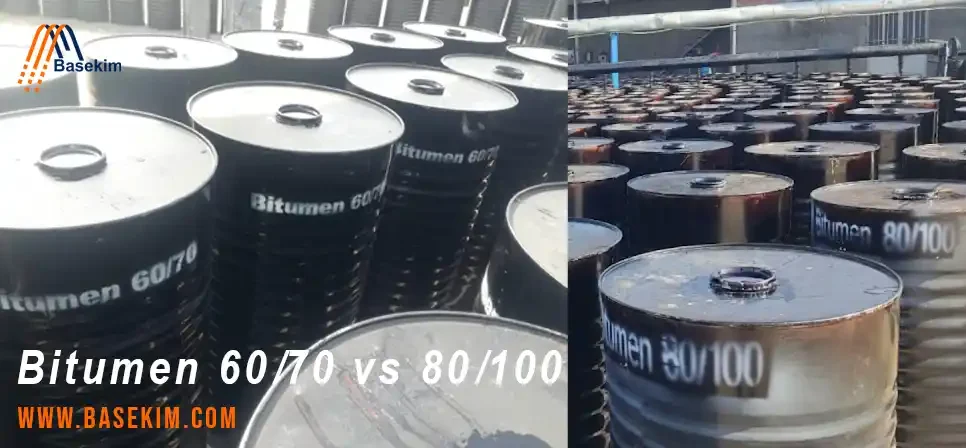
When you compare Bitumen 60/70 vs 80/100, you quickly notice that these two grades behave very differently under heat, pressure, and cold weather. Because roads face temperature changes every day, choosing the right grade is one of the most important steps in designing long-lasting asphalt. Even though the two grades look similar, they do not perform the same in real-life conditions. Therefore, this friendly guide explains their behavior, uses, strengths, and differences in a simple way anyone can understand.
Understanding How Penetration Grades Really Work
Before we compare Bitumen 60/70 vs Bitumen 80/100, it is important to learn what penetration grades mean. Penetration is a test that measures how soft or hard the bitumen is at 25°C. A small needle slowly enters the sample, and the depth is measured in dmm (decimillimeters).
A high penetration number means the bitumen is softer.
A low penetration number means the bitumen is harder.
This test helps engineers decide which grade works best in cold weather, hot weather, or heavy traffic. Because of this simple system, road designers can choose bitumen that handles their climate perfectly.
Why Bitumen 60/70 Stands Out in Hot and Heavy-Duty Roads
Bitumen 60/70 is known as a medium-hard binder. It has a penetration range of 60–70 dmm, which makes it stronger than 80/100. Since it stays stable in high temperatures, many countries with hot climates use this grade for major infrastructure projects.
Main Features of Bitumen 60/70
Strong and heat-resistant
Harder than 80/100
Good resistance to rutting
Performs well under heavy trucks
Better aging and oxidation resistance
Reliable during hot summer months
Because of these features, Asphalt 60/70 remains the top choice for regions where asphalt faces extreme heat and heavy traffic loads.
Common Applications
You will find Bitumen 60/70 in:
Highways and expressways
Airport taxiways and runways
Industrial roads and heavy-duty pavements
Container yards
Hot tropical regions
Asphalt concrete with high load demands
Since it maintains its shape even during heatwaves, this grade prevents pavement deformation and increases road lifespan.
Why Bitumen 80/100 Performs Better in Cold or Mild Regions
Bitumen 80/100 is a softer and more flexible grade. Its penetration range of 80–100 dmm allows it to bend when the temperature drops. Because winter causes asphalt to shrink and crack, softer grades like 80/100 protect the road from damage.
Key Features of Bitumen 80/100
Softer structure
Excellent flexibility in cold weather
Lower chance of thermal cracking
Smooth and easy compaction
Good fatigue resistance
Ideal for low or medium traffic areas
This grade can absorb stress from freezing temperatures, which helps roads stay strong during winter.
Common Applications
You will see Bituminous 80/100 used in:
Cold and snowy regions
Urban streets
Village or city roads
General maintenance and overlay works
Asphalt with moderate traffic
Because of its flexibility, 80/100 helps pavements move slightly without breaking.
Key Differences That Separate Bitumen 60/70 vs 80/100
Although both are penetration grades, their performance is very different. Here are the most important differences:
Hardness
60/70: Harder
80/100: Softer
Climate Suitability
60/70: Works best in hot climates
80/100: Works best in cold climates
Traffic Support
60/70: Handles heavy trucks
80/100: Handles lighter and moderate traffic
Rutting vs Cracking
60/70: Resists rutting in hot weather
80/100: Resists cracking during winter
Workability
60/70: Needs slightly higher heating
80/100: Very easy to mix and compact
Pavement Lifespan
60/70: Longer life in warm regions
80/100: Longer life in cold regions
These differences prove how important it is to match the bitumen grade to the environment.
How Climate Shapes the Right Bitumen Choice
Climate plays the biggest role in the comparison of Bitumen 60/70 vs 80/100. When the wrong grade is used, roads fail much faster.
In Hot Climates
Asphalt becomes softer. Therefore:
60/70 performs better
80/100 may deform under traffic
In Cold Climates
Asphalt becomes stiff. Therefore:
80/100 performs better
60/70 may crack in winter
Why This Matters
Choosing the wrong grade can cause:
Early pavement failure
Expensive repairs
Safety risks for drivers
Low overall durability
Because of climate sensitivity, engineers never choose penetration grades randomly.
The Engineering Steps Behind Selecting the Best Grade
When engineers design a road, they follow a clear process to decide between Bitumen 60/70 vs 80/100.
Step 1: Study Climate Data
They check:
Highest yearly temperatures
Lowest winter temperatures
Seasonal weather changes
Step 2: Study Traffic Load
Heavier traffic needs:
Stronger and harder binder
Higher resistance to deformation
Step 3: Study Pavement Thickness
Thicker pavements handle stress better.
Thinner pavements require more flexible binders.
Step 4: Evaluate Mix Design Requirements
Some asphalt mixes need:
Higher stiffness
Higher elasticity
Better bonding
Step 5: Consider Cost and Supply
Engineers choose the most reliable and cost-effective grade that meets project requirements.
Because of this careful process, bitumen selection becomes accurate and safe.
Strength and Benefits You Get from Bitumen 60/70
Bitumen 60/70 has several performance advantages:
Very strong in hot weather
Great resistance to rutting
Long-lasting performance
Excellent bonding with aggregates
Ideal for heavy-duty road networks
Stable structure under heavy loading
Since it keeps its shape under pressure, it is perfect for roads that face long summers and constant heavy traffic.
Flexibility Advantages You Gain from Bitumen 80/100
Bitumen 80/100 gives roads a flexible and safe structure in cold regions.
Its Main Advantages Include:
High elasticity in winter
Lower risk of cracking
Smooth workability
Good behavior during freeze–thaw cycles
Suitable for medium traffic levels
Perfect for city and regional streets
Because colder areas need pavement that bends without breaking, this grade protects the surface from damage.
Common Selection Errors That Can Damage Pavement Life
Even experienced builders sometimes choose the wrong grade. These mistakes can reduce pavement strength and lifespan.
Mistake 1 – Ignoring Climate Conditions
Using 80/100 in hot areas or 60/70 in freezing regions leads to premature failure.
Mistake 2 – Using One Grade for All Projects
Each project has different conditions. Therefore, a single grade cannot fit every need.
Mistake 3 – Ignoring Traffic Level
Heavy trucks require stronger grades; otherwise the road deforms quickly.
Mistake 4 – Not Checking Bitumen Quality
Low-quality material causes poor bonding, weak asphalt, and short life.
Mistake 5 – Choosing Cheaper Grades
Saving money at the beginning creates bigger repair costs later.
When these mistakes are avoided, pavements last much longer.
Technical Comparison Table: A Quick Visual Breakdown
| Feature | Bitumen 60/70 | Bitumen 80/100 |
|---|---|---|
| Penetration | 60–70 dmm | 80–100 dmm |
| Hardness | Harder | Softer |
| Best Climate | Hot / Tropical | Cold / Mild |
| Rutting Resistance | High | Medium |
| Cracking Resistance | Medium | High |
| Workability | Good | Excellent |
| Traffic Suitability | Heavy | Moderate |
| Typical Use | Highways, airports | City roads, overlays |
| Cost | Medium–High | Medium |
This table gives a quick and easy way to understand the main differences.
Choosing the Correct Grade Based on Real-World Needs
You should select Bitumen 60/70 when:
The region is hot
Traffic is heavy
The pavement structure must stay firm
You expect long-term performance
You should select Bitumen 80/100 when:
The region is cold
Traffic is moderate
Flexibility is more important
The asphalt must bend during winter
Because these grades behave differently, choosing the correct one significantly increases pavement life.
Final Professional Notes Before Choosing Your Binder
After comparing Bitumen 60/70 vs 80/100, it becomes clear that 60/70 is harder and ideal for hot, heavily used roads, while 80/100 is softer and perfect for cold, flexible pavements. Since every project faces different weather and traffic conditions, selecting the correct grade ensures long-lasting and safe infrastructure.
Basekim, as a trusted global supplier, provides both Bitumen 60/70 and Bitumen 80/100 with certified quality, stable batches, and secure packaging options for all international buyers. With Basekim, customers receive reliable performance and professional service for every construction project.