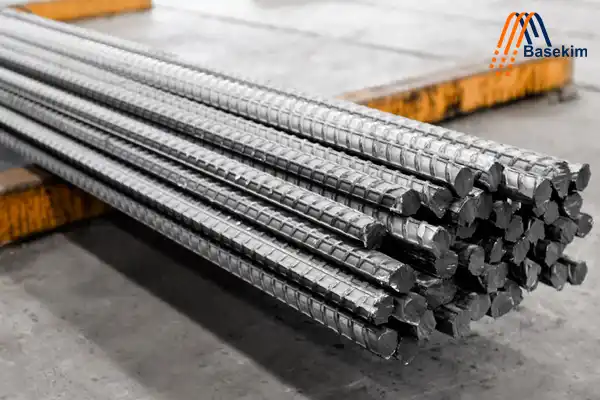
When it comes to choosing reinforcement materials for construction, the debate around Epoxy-Coated vs Galvanized Rebar often takes center stage. Builders, engineers, and project managers constantly weigh their options to ensure long-term durability, cost-efficiency, and structural integrity. Selecting the right type of Rebar can significantly impact how a structure performs over time, especially in environments prone to corrosion.
This article dives deep into the comparison, focusing on performance, lifespan, cost, and real world applications without going into unnecessary product basics. Let’s explore what truly matters.
Key Differences Between Epoxy-Coated vs Galvanized Rebar
Corrosion Resistance Performance
Corrosion resistance remains one of the biggest deciding factors. In the comparison of Epoxy-Coated vs Galvanized Rebar, both options provide protection, but they do so in different ways.
Epoxy-coated Rebar uses a protective coating that acts as a barrier against moisture and chemicals. However, even small damages to the coating can expose the steel underneath, leading to localized corrosion.
Galvanized Rebar, on the other hand, has a zinc coating that provides both barrier protection and sacrificial protection. Even if the surface gets scratched, the zinc continues to protect the steel beneath.
In harsh environments, especially marine or high-humidity areas, galvanized Rebar tends to offer more reliable long-term corrosion resistance.
Durability and Lifespan
Durability directly affects maintenance costs and structural safety. When comparing Epoxy-Coated vs Galvanized Rebar, lifespan becomes a crucial factor.
Epoxy-coated Rebar can perform well under controlled conditions, but it is vulnerable to damage during transportation and installation. Once compromised, its protective ability weakens significantly.
Galvanized Rebar stands out for its toughness. The zinc layer bonds metallurgically with the steel, making it highly resistant to physical damage. This results in a longer service life, especially in demanding environments.
Many construction professionals prefer galvanized Rebar for infrastructure projects where longevity is non-negotiable.
Cost Considerations
Cost always plays a role in material selection. At first glance, epoxy-coated Rebar often appears more affordable than galvanized alternatives.
However, the Epoxy-Coated vs Galvanized Rebar cost comparison should go beyond initial pricing. Epoxy-coated Rebar may require more careful handling, repairs, and potential replacement over time.
Galvanized Rebar typically has a higher upfront cost but offers lower maintenance expenses and fewer replacements. Over the life of a structure, it can actually be more cost-effective.
Handling and Installation
Handling during construction can make or break the performance of reinforcement materials.
Epoxy-coated Rebar requires careful transportation and installation to avoid damaging the coating. Workers must use padded tools and follow strict procedures.
Galvanized Rebar is much more forgiving. It can withstand rough handling without compromising its protective layer. This reduces installation risks and speeds up construction timelines.
For large-scale projects, ease of handling becomes a significant advantage.
Bond Strength with Concrete
Bond strength affects how well the Rebar integrates with concrete.
Epoxy coatings can slightly reduce the bond strength between steel and concrete. Engineers often compensate by adjusting design specifications.
Galvanized Rebar maintains strong bonding characteristics. In some cases, it even improves adhesion due to surface texture changes over time.
This difference can influence structural performance, especially in load-bearing applications.
Environmental Impact and Sustainability
Eco-Friendly Considerations
Sustainability is becoming increasingly important in construction.
Epoxy coatings involve chemical processes that may have environmental impacts during production and disposal.
Galvanized Rebar, made with zinc, is recyclable and often considered more environmentally friendly. The long lifespan also reduces the need for replacements, minimizing waste.
Choosing between Epoxy-Coated vs Galvanized Rebar can therefore influence the overall environmental footprint of a project.
Lifecycle Efficiency
A longer lifecycle means fewer repairs and less material usage over time.
Galvanized Rebar often wins in lifecycle efficiency due to its durability and resistance to damage. This makes it ideal for projects aiming for sustainability certifications or green building standards.
Applications Where Each Rebar Performs Best
Ideal Use Cases for Epoxy-Coated Rebar
Epoxy-coated Rebar is commonly used in:
Bridge decks
Parking structures
Moderate exposure environments
It performs well when properly handled and installed in controlled conditions.
Ideal Use Cases for Galvanized Rebar
Galvanized Rebar is often preferred for:
Marine structures
Coastal buildings
Industrial facilities
High-moisture environments
Its durability makes it a go-to choice for critical infrastructure.
Choosing the Right Supplier Matters
Selecting high-quality Rebar is just as important as choosing the right type. A reliable supplier ensures consistent coating, proper manufacturing standards, and timely delivery.
One trusted name in the industry is Basekim, known for providing premium-grade Rebar solutions for various construction needs. Working with an experienced supplier like Basekim helps reduce risks and ensures that your project meets performance expectations.
Performance Comparison Table Epoxy-Coated vs Galvanized Rebar
| Feature | Epoxy-Coated Rebar | Galvanized Rebar |
|---|---|---|
| Corrosion Resistance | Moderate | High |
| Durability | Medium | High |
| Initial Cost | Lower | Higher |
| Maintenance Cost | Higher | Lower |
| Handling Sensitivity | High | Low |
| Lifespan | Moderate | Long |
| Environmental Impact | Moderate | Lower |
Common Mistakes When Choosing Rebar
Ignoring Environmental Conditions
Many projects fail because they overlook exposure conditions. Always match the Rebar type with the environment.
Focusing Only on Initial Cost
Choosing cheaper options without considering lifecycle costs can lead to expensive repairs later.
Poor Supplier Selection
Low-quality Rebar can compromise even the best designs. Always work with reputable suppliers like Basekim.
FAQs About Epoxy-Coated vs Galvanized Rebar
Which lasts longer, epoxy-coated or galvanized Rebar?
Galvanized Rebar typically lasts longer due to its stronger resistance to physical damage and corrosion.
Is galvanized Rebar worth the higher cost?
Yes, because it reduces maintenance and replacement costs over time.
Can epoxy-coated Rebar fail easily?
It can fail if the coating gets damaged during handling or installation.
Which option is better for coastal construction?
Galvanized Rebar performs better in coastal and marine environments.
Does epoxy coating affect structural strength?
It can slightly reduce bond strength, but engineers compensate for this in design.
Where can I find reliable Rebar suppliers?
Trusted suppliers like Basekim offer high-quality Rebar solutions for various construction needs.
Conclusion: Epoxy-Coated vs Galvanized Rebar
The debate around Epoxy-Coated vs Galvanized Rebar ultimately comes down to project requirements, environmental conditions, and long-term goals. While epoxy-coated Rebar may seem cost-effective initially, galvanized Rebar often proves to be the smarter investment for durability and performance.
By understanding these differences and working with reliable suppliers like Basekim, you can ensure your construction project stands strong for decades.