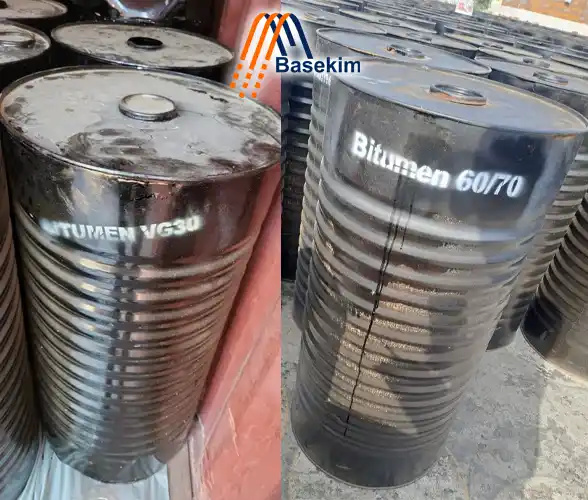
When choosing the right bitumen for road construction, one of the biggest questions is penetration vs viscosity bitumen. Both grading systems are used around the world, but they measure bitumen in different ways and help engineers decide which material works best for specific climates, traffic conditions, and paving projects.
Understanding the difference is important because the wrong bitumen grade can lead to cracked roads, rutting, or shorter pavement life.
This article gives a simple and clear comparison between penetration grade bitumen and viscosity grade bitumen, including performance, testing methods, temperature behavior, advantages, disadvantages, and how to select the best option for a project.
Why Bitumen Grading Matters
Bitumen is the binding material that holds asphalt together. Roads face heat, rain, heavy trucks, and changing weather every day. Because of this, bitumen must have the correct consistency and strength.
Bitumen grading systems help engineers understand how the material behaves under different temperatures and loads. The grading method also makes it easier to choose a suitable binder for highways, airports, city roads, and industrial paving.
The two most common grading systems are:
Penetration grade system
Viscosity grade system
Even though both systems classify bitumen, they do not evaluate performance in the same way.
Main Difference Between Penetration and Viscosity Bitumen
The biggest difference between penetration and viscosity grading is the way the bitumen consistency is measured.
Penetration grading measures how deep a standard needle can penetrate the bitumen sample under controlled conditions. Softer bitumen allows deeper penetration, while harder bitumen resists the needle.
Viscosity grading measures the flow resistance of bitumen at specific temperatures. In simple words, it checks how thick or thin the bitumen becomes when heated.
Penetration grading focuses mainly on hardness, while viscosity grading focuses on flow behavior and temperature performance.
Comparison Table: Penetration vs Viscosity Bitumen
| Feature | Penetration Grade Bitumen | Viscosity Grade Bitumen |
|---|---|---|
| Main Measurement | Hardness | Flow resistance |
| Testing Method | Needle penetration test | Viscosity test |
| Temperature Sensitivity | Less accurate | More accurate |
| Performance Prediction | Limited | Better |
| Climate Suitability | Moderate climates | Wide climate range |
| Common Grades | 40/50, 60/70, 80/100 | VG10, VG20, VG30, VG40 |
| Focus | Consistency | Workability and performance |
| Modern Usage | Older system | More advanced system |
| Road Durability Control | Lower | Higher |
| Construction Control | Simpler | More precise |
How Penetration Grade Bitumen Works
In the penetration grading system, the number represents the penetration depth of a needle in tenths of a millimeter.
For example:
Bitumen 60/70 grade means the needle penetrates between 6 mm and 7 mm
Lower values indicate harder bitumen
Higher values indicate softer bitumen
Harder grades are usually used in hot regions where roads face high temperatures. Softer grades are more flexible and may work better in colder environments.
The penetration grading system became popular because it is easy to understand and simple to test. For many years, it was the standard method used in road construction projects worldwide.
However, engineers later discovered that penetration values alone cannot fully predict how bitumen behaves during actual paving operations and road service conditions.
How Viscosity Grade Bitumen Works
Viscosity grading measures how bitumen flows at high temperatures. This method gives engineers a better understanding of mixing, pumping, spraying, and compaction performance.
The viscosity system classifies bitumen into grades such as:
Higher VG numbers mean higher viscosity and stiffer material.
For example:
VG10 is softer and easier to flow
VG40 is harder and more resistant to deformation
This grading system became more popular because it reflects real working conditions more accurately than penetration grading.
Temperature Performance Comparison: Penetration vs Viscosity Bitumen
One of the biggest concerns in road construction is temperature.
Road surfaces can become extremely hot during summer and very cold during winter. Bitumen reacts differently at different temperatures, which directly affects pavement performance.
Penetration Grade Performance
Penetration grades do not always show how the binder behaves under extreme temperatures. Two bitumen samples may have the same penetration value but completely different viscosity characteristics when heated.
This can create problems such as:
Excessive softening in summer
Cracking in winter
Reduced pavement life
Lower resistance to traffic stress
Viscosity Grade Performance
Viscosity grading provides better temperature control because the testing is done at specific temperatures.
This helps engineers predict:
Mixing temperature
Compaction temperature
Pumping behavior
Field performance
As a result, viscosity grade bitumen often performs better in modern road construction projects.
Construction and Workability
Construction teams need bitumen that is easy to handle during mixing and paving.
Penetration Grade Bitumen
Penetration grades are relatively simple to use, but the system gives less information about actual workability during hot mixing operations.
This may lead to:
Incorrect heating
Uneven mixing
Poor compaction
Higher construction variability
Viscosity Grade Bitumen
Viscosity grading helps contractors maintain better consistency during construction.
Advantages include:
Improved asphalt mixing
Better aggregate coating
Easier compaction
More predictable paving quality
This makes viscosity grade bitumen highly preferred for highways and heavy-duty pavements.
Durability and Pavement Life
Road durability is one of the most important factors when selecting bitumen.
Penetration Grade Durability
Penetration grades can provide good performance under normal conditions, but they may not always resist heavy traffic and high temperatures effectively.
Possible issues include:
Rutting
Surface deformation
Thermal cracking
Early aging
Viscosity Grade Durability
Viscosity grading allows more accurate binder selection based on traffic and climate conditions.
Benefits include:
Better resistance to deformation
Longer pavement life
Improved structural stability
Reduced maintenance costs
Because of these advantages, many countries shifted from penetration grading to viscosity grading systems.
Climate Suitability
Climate has a huge impact on asphalt pavement performance.
Hot Climate Areas
In very hot regions, roads soften quickly if the bitumen is too soft.
Viscosity grades such as VG30 and VG40 usually provide better resistance against:
Bleeding
Rutting
Surface waves
Cold Climate Areas
Cold weather can make pavements brittle.
Softer viscosity grades or softer penetration grades may help improve flexibility and reduce cracking risks.
The key point is that viscosity grading gives engineers more detailed information for climate-based decisions.
Quality Control Comparison
Quality control is another major difference between penetration and viscosity bitumen.
Penetration Grading
The penetration test only measures one property under limited conditions. This makes quality prediction less reliable.
Viscosity Grading
Viscosity testing evaluates the material under temperatures closer to real construction conditions.
This gives better control over:
Binder consistency
Production quality
Performance reliability
Asphalt plant operations
For this reason, viscosity grading is considered more scientifically reliable.
Economic Considerations
Cost also matters in road construction projects.
Penetration grade bitumen may sometimes appear cheaper because the testing process is simpler. However, lower initial cost does not always mean lower total cost.
If roads fail early due to incorrect binder selection, repair and maintenance expenses increase significantly.
Viscosity grade bitumen can help reduce long-term costs by improving pavement durability and minimizing repairs.
Which Grading System Is More Popular Today?
Many highway agencies and modern infrastructure projects now prefer viscosity grading because it provides more realistic performance information.
Penetration grading is still used in several countries, especially for traditional specifications and simpler road projects. However, viscosity grading has become more common in advanced pavement engineering.
The shift happened mainly because engineers wanted better temperature control and longer-lasting pavements.
Choosing the Right Bitumen Grade
Selecting the correct bitumen grade depends on several factors:
Climate conditions
Traffic load
Pavement design
Construction method
Project budget
Performance requirements
There is no single grade that works perfectly for every project. Engineers must evaluate road conditions carefully before making a decision.
For high-temperature and heavy-traffic roads, viscosity grading often offers better long-term performance. For basic paving projects with standard conditions, penetration grades may still be suitable.
Final Thoughts on Penetration vs Viscosity Bitumen
The debate between penetration vs viscosity bitumen mainly comes down to accuracy and performance prediction. Penetration grading is simple and widely recognized, but it provides limited information about real temperature behavior. Viscosity grading gives a clearer understanding of how bitumen performs during construction and long-term pavement service.
Modern road engineering increasingly favors viscosity grading because it improves quality control, durability, and climate suitability. Still, both systems continue to play important roles in the global asphalt industry.
For contractors, engineers, and buyers, understanding these differences helps prevent pavement failures and improves project success. Reliable suppliers also play an important role in providing consistent quality bitumen products. Companies like Basekim supply different types of bitumen grades for international road construction and industrial projects.