- About Us
- Contact Us
- English


Glass Wool: Insulation for Industrial and Commercial Use
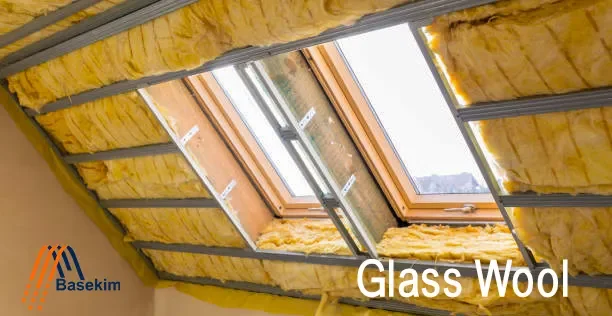
Glass Wool, also known as fiberglass insulation or glass fiber insulation, is a highly efficient thermal and acoustic insulation material made from recycled glass and sand. It is composed of fine glass fibers woven together to trap air, which results in low thermal conductivity and excellent sound absorption.
Produced by melting glass at high temperatures and spinning it into fibers, Glass Fiber Insulation is then formed into rolls, slabs, or loose-fill forms for different applications. Its lightweight, flexible structure, fire resistance, and non-corrosive nature make it a preferred choice for insulating buildings, industrial facilities, and HVAC systems.
Alternate Names for Glass Wool
Glass Wool is commonly known by several other names across the globe, depending on the region or industry:
Fiberglass Insulation
Glass Fiber Insulation
Mineral Wool (in some contexts, although technically different)
Glass Fibre Wool
Fibreglass Wool
Glass Blanket Insulation
These names refer to the same base product – a fibrous insulating material manufactured from molten glass.
Key Properties of Glass Wool
Glass Fiber Insulation’s performance and popularity stem from its outstanding technical features:
| Property | Description |
|---|---|
| Thermal Conductivity | Ranges between 0.032 to 0.040 W/m·K depending on density and form |
| Fire Resistance | Non-combustible, typically Euroclass A1 certified |
| Density | Varies from 10 to 100 kg/m³ |
| Water Repellence | Hydrophobic surface treatment available |
| Acoustic Absorption | Excellent sound-absorbing characteristics |
| Operating Temperature | Can withstand temperatures up to 250°C (482°F) |
| Chemical Resistance | Inert to most chemicals, non-corrosive to metals |
| Recyclability | Made from up to 80% recycled glass content |
Applications of Glass Wool
Thanks to its versatility and insulating properties, Glass Fiber Insulation is widely used in various fields:
1. Building and Construction
Glass Wool is extensively applied in the construction sector for both thermal and acoustic insulation. Common uses include:
Wall Insulation: In cavity walls, partition walls, and drywall systems.
Roof Insulation: In pitched roofs and flat roofs to reduce heat transfer.
Ceiling Insulation: Suspended ceiling insulation in commercial and industrial buildings.
Floor Insulation: To prevent thermal bridging and sound transmission.
2. HVAC Systems
In heating, ventilation, and air-conditioning systems, Glass Wool is used to:
Insulate ducts and air handling units
Prevent energy loss and condensation
Minimize vibration noise
3. Industrial Insulation
Industrial applications often require temperature regulation and fire protection, for which Glass Wool is ideal:
Pipe Insulation: High-temperature piping in plants and refineries
Equipment Insulation: Boilers, furnaces, and tanks
Power Plants: Thermal and acoustic insulation in turbines and engines
4. Automotive and Transportation
Automobile manufacturers use Glass Wool for:
Acoustic insulation in doors and dashboards
Thermal insulation for engine bays
Fire-retardant insulation in trains and buses
Advantages of Using Glass Fiber Insulation
Choosing Glass Wool as your insulation solution offers numerous benefits:
Energy Efficiency
By significantly reducing heat transfer, Glass Wool lowers energy consumption for heating and cooling, resulting in lower utility bills.
Soundproofing
Its porous structure absorbs sound waves, making it ideal for noise reduction in residential, commercial, and industrial environments.
Fire Safety
Classified as non-combustible, Glass Wool acts as a passive fire protection barrier in buildings and industrial settings.
Sustainability
Manufactured from recycled materials, Glass Fiber Insulation is environmentally friendly and supports green building certifications such as LEED and BREEAM.
Cost-Effective
Compared to other insulation materials, Glass Wool is competitively priced, with low installation and maintenance costs.
Lightweight and Flexible
Easy to handle and install, even in tight or irregular spaces.
Forms and Packaging Options
Glass Wool is available in various formats to suit different applications:
| Form | Description | Common Use |
|---|---|---|
| Rolls (Blankets) | Flexible rolls, faced or unfaced | Roofs, walls, ceilings |
| Slabs (Boards) | Rigid or semi-rigid panels | Partition walls, ducts |
| Loose Fill | Blown-in or poured into cavities | Attics, confined spaces |
| Pipe Sections | Pre-formed cylindrical insulation | Industrial pipes, HVAC |
Installation Guidelines
Installing Glass Wool should follow safety and efficiency standards:
Wear protective gear (gloves, goggles, masks) to prevent skin and respiratory irritation.
Ensure proper fit without compressing the material, which can reduce insulation effectiveness.
Use vapour barriers where needed to prevent moisture buildup.
Seal joints and gaps properly to maximize thermal and acoustic performance.
Follow local building codes and fire safety regulations.
HS Code and Technical Specifications
HS Code: 70199090 (Glass Fiber Products for Insulation)
CAS Number: 65997-17-3
Thickness Range: 25 mm to 100 mm (custom sizes available)
Density Range: 10–100 kg/m³
Thermal Conductivity: 0.032 – 0.040 W/m·K
Fire Classification: A1 (non-combustible)
Frequently Asked Questions (FAQ)
Is Glass Wool safe?
Yes. Modern Glass Fiber Insulation is safe when handled with standard protective equipment. It is non-toxic, non-corrosive, and does not support mold growth.
Can Glass Wool be used in humid areas?
Yes, with proper facing and vapor barrier installation, Glass Fiber Insulation performs well even in humid environments.
How long does Glass Wool last?
When installed correctly, Glass Fiber Insulation can last 20–50 years, depending on conditions and usage.
Is Glass Wool better than Rock Wool?
Both are excellent insulators. Glass Wool is generally lighter and more flexible, while Rock Wool can withstand higher temperatures.

Contact Info
Ankara Office
No.6, Fahrettin Pasa St. (613), Ilkbahar, Cankaya – Ankara
Tel: +90 312 514 70 55
Istanbul Office
No. 219, Sogut St., No.20, T4A Block, Maslak, Sariyer – Istanbul
Tel: +90 212 807 22 33
Dubai Office
No.3509, The Burlington Tower, Business Bay, Dubai – UAE
Tel: +971 4 236 98 30