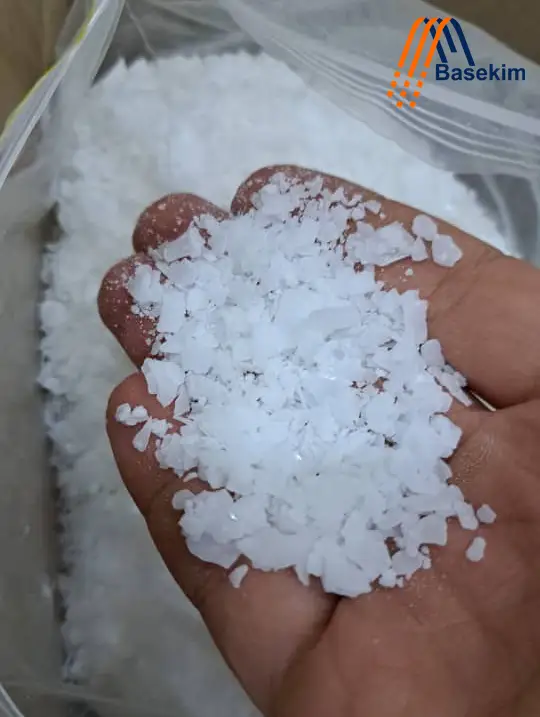
The PVC industry continues to grow every year because manufacturers need faster production, smoother processing, and better product quality. For this reason, PE wax for PVC processing has become an important material in many PVC applications. Manufacturers use it in PVC pipes, window profiles, sheets, cables, fittings, and flexible compounds.
PVC producers also search for terms like polyethylene wax for PVC, PVC lubricant wax, oxidized PE wax, external lubricant for PVC, PE wax powder, and PVC processing lubricant because these products improve processing performance and product quality.
In addition, manufacturers want additives that reduce friction, improve melt flow, and support stable production. PE wax helps achieve all of these goals. It also helps reduce machine stress and improves surface appearance.
Many companies around the world trust Basekim as a reliable supplier of PE wax for PVC applications.
Why PE wax matters in PVC processing
PVC processing needs good lubrication to keep production stable. PE wax reduces friction between the PVC material and metal surfaces inside the machine. As a result, the material moves more smoothly during extrusion and molding.
PE wax also helps manufacturers:
Increase production speed
Improve product surface quality
Reduce machine wear
Lower energy use
Improve melt flow
Reduce sticking inside equipment
Maintain stable processing conditions
Because of these advantages, many PVC manufacturers use PE wax in both rigid PVC and flexible PVC compounds.
Key benefits of PE wax in PVC applications
Better lubrication
PE wax works as an effective external lubricant. It reduces friction between molten PVC and processing equipment. Therefore, the material flows smoothly through the machine.
This benefit helps reduce pressure and machine load during production. It also lowers the risk of material sticking to metal surfaces.
Improved melt flow
Smooth melt flow is very important in PVC extrusion and injection molding. PE wax improves flow behavior and supports even material movement.
As a result, manufacturers achieve:
Better product shape
Stable production
Smooth extrusion
Consistent wall thickness
Fewer production defects
In addition, better flow helps manufacturers increase output without lowering product quality.
Enhanced thermal stability
PVC materials can face heat damage during processing. PE wax helps improve heat control during melting and shaping.
Therefore, manufacturers can reduce discoloration and maintain stable processing temperatures during production.
PE wax in rigid PVC production
Rigid PVC products need strong lubrication systems because they process under high pressure and temperature. PE wax helps maintain stable production in products such as:
PVC pipes
Window profiles
PVC sheets
PVC fittings
Foam boards
Moreover, PE wax improves surface smoothness and gives finished products a cleaner appearance.
Manufacturers often use oxidized PE wax and polyethylene wax powder in rigid PVC formulations because these materials improve lubrication balance.
PE wax in flexible PVC compounds
Flexible PVC compounds also benefit from PE wax technology. Even though these compounds contain plasticizers, they still need good lubrication for stable processing.
PE wax helps improve:
Surface smoothness
Flexibility consistency
Processing speed
Mold release
Additive dispersion
Because of these benefits, manufacturers produce flexible PVC products with better quality and fewer surface defects.
Compatibility with PVC additives
Works well with stabilizers
Many PVC manufacturers use calcium zinc stabilizers in modern formulations. PE wax works well with these stabilizers and supports balanced processing performance.
As a result, manufacturers improve heat stability and maintain smoother processing conditions.
Supports processing aids
PVC processing aids improve fusion and melt strength. When manufacturers combine processing aids with PE wax, they achieve better production balance.
This combination improves extrusion performance and supports stable output.
Improves filler and pigment dispersion
PE wax also helps fillers and pigments spread evenly throughout the PVC compound.
Therefore, manufacturers achieve:
Better color consistency
Smoother surfaces
Fewer streaks
Improved product appearance
Better surface quality
Surface quality is very important in PVC products. PE wax improves surface finish and gives products a smooth and clean look.
It helps manufacturers achieve:
Better gloss
Smooth surfaces
Reduced scratches
Better slip performance
Cleaner finished products
As a result, customers receive higher-quality PVC products with improved appearance.
Improved extrusion performance
PVC extrusion needs stable lubrication to maintain smooth production. PE wax reduces friction between molten PVC and machine surfaces.
Therefore, manufacturers benefit from:
Lower die pressure
Faster production speed
Stable melt temperature
Reduced machine wear
Better processing stability
In addition, good lubrication helps extend equipment life and reduce maintenance costs.
Benefits in injection molding
Injection molding operations require good melt flow and easy mold release. PE wax improves both of these areas.
Manufacturers use PE wax to improve:
Mold filling
Surface finish
Release performance
Production speed
Product consistency
Because of these advantages, manufacturers reduce waste and improve production efficiency.
PE wax for PVC pipe production
PVC pipes and fittings require stable processing and strong dimensional control. PE wax supports smooth extrusion and helps maintain product consistency.
It also reduces friction during shaping and cooling. Therefore, manufacturers achieve better pipe quality and stable production output.
Today, many producers of pressure pipes, drainage pipes, and industrial pipe systems depend on high-quality polyethylene wax products.
PE wax in PVC cable compounds
PVC cable compounds need smooth processing and clean surface finish. PE wax helps improve extrusion stability and supports better surface quality.
Key benefits include:
Smooth extrusion
Better flexibility
Reduced die buildup
Stable processing temperature
Improved product appearance
Because of these advantages, PE wax remains an important additive in cable manufacturing.
Choosing the right PE wax grade
Manufacturers select PE wax grades based on processing needs and product requirements.
Common options include:
| PE Wax Type | Main Benefit |
|---|---|
| Oxidized PE wax | Better compatibility |
| PE wax powder | Easy mixing |
| Low molecular weight PE wax | Strong lubrication |
| High-density PE wax | Improved slip properties |
Choosing the right grade helps improve production performance and product quality.
Why manufacturers choose Basekim
Many PVC manufacturers choose Basekim because the company supplies reliable PE wax products for different PVC applications.
Basekim supports industries such as:
PVC pipe production
Window profile manufacturing
Cable compounds
Flexible PVC products
Injection molding
PVC sheets and films
In addition, Basekim provides stable product quality, technical support, and dependable global supply services.
Frequently Asked Questions
Why do manufacturers use PE wax in PVC processing?
Manufacturers use PE wax to improve lubrication, melt flow, surface quality, and production stability.
Which PVC products use polyethylene wax?
PVC pipes, profiles, sheets, cables, fittings, and flexible compounds commonly use PE wax.
Does PE wax improve extrusion speed?
Yes. PE wax reduces friction and supports smoother material flow, which helps increase production speed.
What is oxidized PE wax?
Oxidized PE wax is a type of polyethylene wax with improved compatibility and better dispersion properties.
Can PE wax improve product appearance?
Yes. PE wax improves gloss, smoothness, and surface finish in PVC products.
Why is Basekim a trusted PE wax supplier?
Manufacturers trust Basekim because the company offers reliable PE wax quality, technical support, and stable supply services.
Conclusion
Today, PVC manufacturers need higher production speed, better product quality, and stable processing performance. Because of these needs, PE wax for PVC processing remains an essential material in modern PVC manufacturing.
PE wax improves lubrication, melt flow, extrusion stability, surface quality, and processing efficiency. It also helps reduce machine wear and supports consistent production results.
As demand for PVC products continues to grow, manufacturers increasingly rely on trusted suppliers such as Basekim for high-quality PE wax solutions.