The comparison of Garnet Sand vs Aluminum Oxide is essential for industries that rely on high-performance abrasives. From surface preparation to industrial cutting, choosing the right material directly affects efficiency, cost, and final results. Each abrasive offers distinct advantages, and understanding these differences helps optimize both productivity and quality.
This article presents a detailed and balanced analysis of Garnet Sand vs Aluminum Oxide, focusing on performance, cost, finish quality, and practical applications.
Garnet Sand vs Aluminum Oxide in Surface Preparation
When evaluating Garnet Sand vs Aluminum Oxide for surface preparation, cutting behavior and control are critical factors.
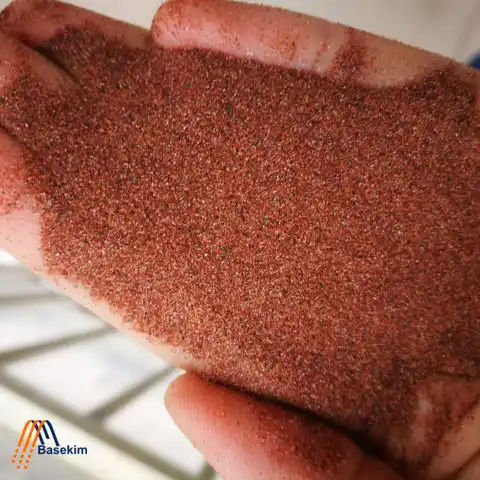
Garnet sand delivers consistent cutting with controlled aggression. It removes coatings, rust, and contaminants efficiently while maintaining the integrity of the base material. This makes it highly effective for projects that require precision and uniformity.
Aluminum oxide is more aggressive. It cuts deeper and faster, making it suitable for heavy-duty cleaning and removing thick coatings. However, this intensity can create a rougher surface if not carefully managed.
In Garnet Sand vs Aluminum Oxide surface preparation:
Garnet sand ensures controlled cleaning
Aluminum oxide delivers maximum cutting strength
Cost Comparison
Cost plays a major role in the Garnet Sand and Aluminum Oxide decision.
Garnet sand is often used in open blasting systems where recycling is limited. While it may not last as long, it reduces cleanup time and disposal complexity, which lowers overall operational costs.
Aluminum oxide is highly durable and reusable, especially in closed blasting systems. Its long lifespan can make it more cost-effective over time in controlled environments.
Companies working with reliable suppliers like basekim in Turkey often evaluate both upfront cost and total lifecycle value when comparing Garnet Sand and Aluminum Oxide.
Surface Finish Differences Between Garnet Sand and Aluminum Oxide
Surface quality is another key factor in the Garnet Sand vs Aluminum Oxide comparison.
Garnet sand produces a smoother and more uniform finish. This is ideal for applications where coatings, paints, or adhesives need strong and even adhesion.
Aluminum oxide creates a rougher surface profile. This can improve mechanical bonding but may require additional finishing steps depending on the project requirements.
In terms of Garnet Sand vs Aluminum Oxide finish:
Garnet sand provides smooth consistency
Aluminum oxide creates deeper texture
Garnet Sand vs Aluminum Oxide for Dust and Environmental Impact
Dust generation significantly affects both safety and efficiency.
Garnet sand produces low dust levels, improving visibility and reducing health risks during blasting operations. It also simplifies cleanup and disposal, making it a practical option for environmentally conscious projects.
Aluminum oxide generates more dust, especially after repeated use. This requires advanced dust collection systems and stricter safety measures.
In Garnet Sand vs Aluminum Oxide environmental performance:
Garnet sand offers cleaner operation
Aluminum oxide requires more control systems
Waterjet Cutting: Garnet Sand and Aluminum Oxide Performance
In waterjet cutting, the Garnet Sand vs Aluminum Oxide comparison becomes very clear.
Garnet sand is widely preferred due to its consistent particle size and efficient cutting ability. It delivers precise cuts while minimizing wear on equipment.
Aluminum oxide is rarely used in waterjet systems because its hardness can damage components and increase maintenance costs.
For Garnet Sand vs Aluminum Oxide in waterjet applications:
Garnet sand is the industry standard
Aluminum oxide is generally unsuitable
Safety Comparison of Garnet Sand vs Aluminum Oxide
Safety is a critical consideration in any abrasive process.
Garnet sand supports safer working conditions due to lower dust emissions and minimal hazardous content. This reduces the need for extensive protective systems.
Aluminum oxide remains safe when handled correctly, but its higher dust output requires stricter safety protocols, including ventilation and protective equipment.
Many industries sourcing from basekim in Turkey prioritize safety-tested materials when comparing Garnet Sand and Aluminum Oxide for long-term operations.
Application Areas for Garnet Sand and Aluminum Oxide
Understanding where each abrasive performs best helps clarify the Garnet Sand vs Aluminum Oxide decision.
Garnet sand is commonly used in:
Surface preparation in open environments
Marine and oil industry projects
Waterjet cutting operations
General cleaning and coating preparation
Aluminum oxide is preferred for:
Blast cabinets and controlled systems
Grinding and polishing
Heavy-duty industrial cleaning
Applications requiring reusable abrasives
This highlights how Garnet Sand vs. Aluminum Oxide varies depending on operational setup.
Equipment Wear
Equipment durability is another important factor in the Garnet Sand vs Aluminum Oxide comparison.
Garnet sand is less abrasive on machinery, helping extend the life of blasting equipment and reducing maintenance costs.
Aluminum oxide, due to its extreme hardness, can increase wear on equipment over time. While manageable in industrial systems, this adds to long-term maintenance considerations.
In Garnet Sand vs Aluminum Oxide equipment impact:
Garnet sand reduces wear
Aluminum oxide increases durability demands
Final Verdict
The final decision in the Garnet Sand vs Aluminum Oxide comparison depends on your specific needs.
Garnet sand is the better choice for operations requiring precision, low dust, and smoother finishes. It performs exceptionally well in open blasting and waterjet cutting.
Aluminum oxide is ideal for applications that demand aggressive cutting and reusability, especially in controlled environments.
Ultimately, selecting between Garnet Sand and Aluminum Oxide requires balancing performance, cost, safety, and application requirements. By choosing the right abrasive and working with trusted suppliers, businesses can achieve both efficiency and high-quality results.
FAQ
What is the main difference between garnet sand and aluminum oxide?
The main difference lies in hardness and usage. Garnet sand offers controlled cutting and a smoother finish, while aluminum oxide is harder and more aggressive, making it suitable for heavy-duty applications.
Which abrasive is better for surface preparation?
It depends on the project. Garnet sand works well for achieving a clean and even surface, especially before painting or coating. Aluminum oxide is better for removing tough layers or working on very hard materials.
Can aluminum oxide be reused more than garnet sand?
Yes, aluminum oxide is highly durable and can be reused multiple times in closed systems. Garnet sand is typically used once or only a few times, especially in open blasting environments.
Which option produces less dust during blasting?
Garnet sand produces less dust, improving visibility and reducing cleanup. Aluminum oxide tends to create more dust, especially after repeated use.
Is garnet sand suitable for waterjet cutting?
Yes, it is widely used in waterjet cutting because it provides consistent performance and helps maintain equipment efficiency.
Does aluminum oxide damage equipment faster?
Due to its hardness, aluminum oxide can cause more wear on equipment over time. Proper system design and maintenance can help manage this.
Which abrasive is more environmentally friendly?
Garnet sand is generally considered more environmentally friendly because it produces less dust and is easier to dispose of after use.
How do I choose the right abrasive for my project?
Consider factors such as surface type, required finish, budget, equipment, and whether you need reusability. Matching these factors to the abrasive’s strengths will help you make the best choice.