DEA, TEA, and MEA prices do not move randomly. They change because of feedstock costs, production capacity, purity grade, and regional demand from industries like gas treating, detergents, cement grinding aids, and personal care. Buyers who only look at the headline price often miss the real cost drivers. This guide explains DEA price, TEA price, and MEA price separately, so procurement teams, traders, and industrial users understand what they actually pay—and why.
What Are DEA, TEA, and MEA?
Ethanolamines come from the reaction of ethylene oxide with ammonia. The reaction ratio determines the final product:
MEA (Monoethanolamine) – simplest structure, highest reactivity
DEA (Diethanolamine) – balanced performance, lower volatility
TEA (Triethanolamine) – heavier molecule, higher viscosity
Although they come from the same process, their prices behave differently in the market.
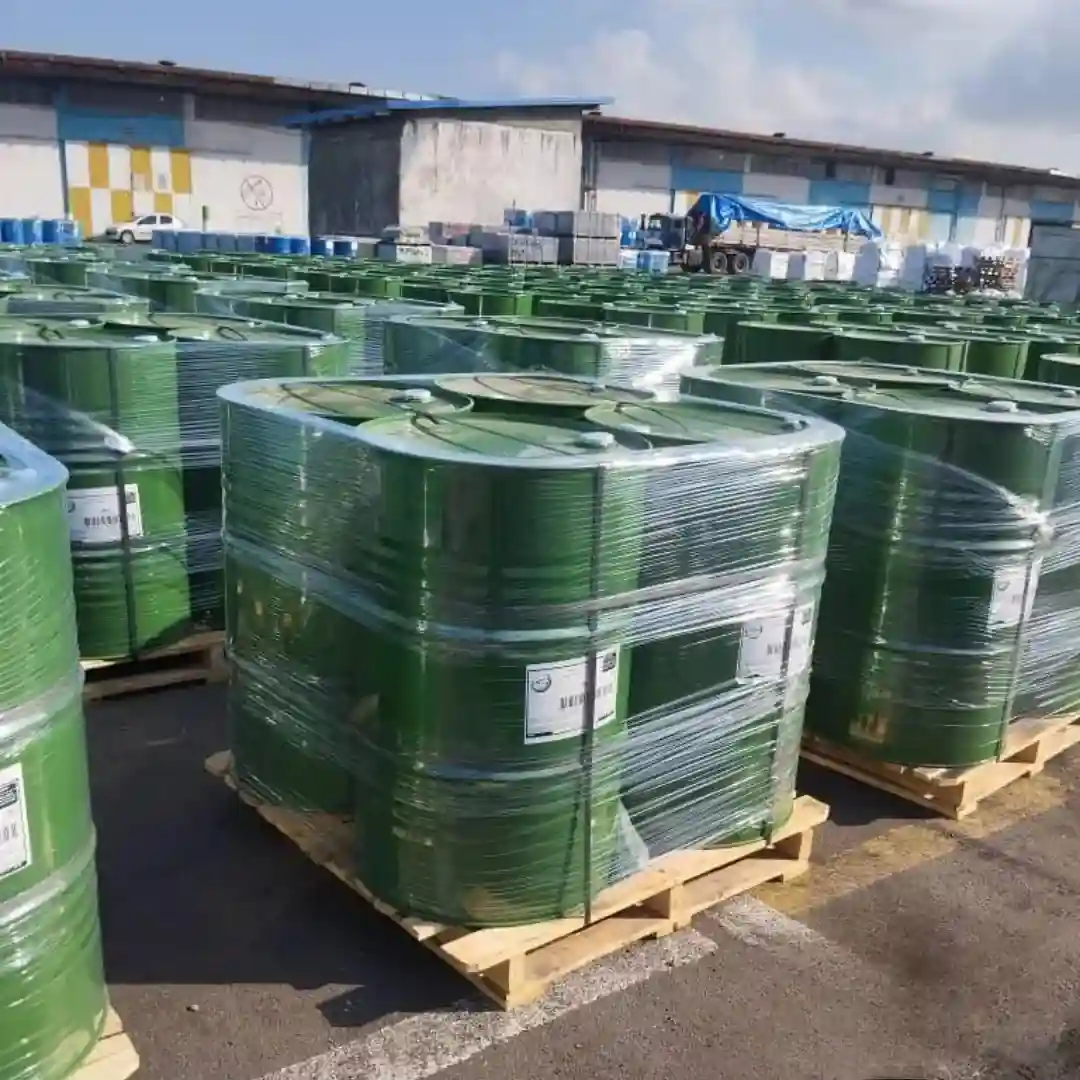
FOB Price Table – DEA, TEA & MEA (Drum Packing)
| Product | FOB Price (USD/MT) | Packing Type | Price Basis |
|---|---|---|---|
| MEA (Monoethanolamine) | 1,030 USD/MT | Drum | FOB |
| DEA (Diethanolamine) | 820 USD/MT | Drum | FOB |
| TEA (Triethanolamine) | 990 USD/MT | Drum | FOB |
MEA Price (Monoethanolamine)
What drives MEA price?
MEA price reacts quickly to market changes because gas treatment plants and refineries consume large volumes continuously. Any change in natural gas processing activity directly affects demand.
Key price drivers:
Ethylene oxide price
Natural gas & refinery demand
Amine purity (99% vs technical grade)
Packaging (bulk, IBC, drum)
MEA price behavior
MEA usually trades at the lowest price among ethanolamines due to:
Higher production volume
Simpler molecular structure
Strong competition among producers
Monoethanolamine price per ton often fluctuates faster than DEA and TEA, especially during energy market shifts.
DEA Price (Diethanolamine)
What affects DEA price?
DEA price sits between MEA and TEA. Many buyers choose DEA because it offers better stability than MEA and lower cost than TEA.
Main cost factors:
Detergent and surfactant demand
Cement grinding aid consumption
Cosmetic and textile usage
Color and low-nitrosamine specifications
DEA price behavior
DEA price stays more stable than MEA because:
End-users prefer long-term contracts
Production volumes are balanced
Fewer short-term demand spikes
However, high-purity DEA for personal care always commands a premium.
TEA Price (Triethanolamine)
Why TEA price is higher
TEA requires a higher ethylene oxide ratio and tighter process control. This increases production cost and limits supply flexibility.
Key drivers of TEA price:
Construction and cement activity
Detergent and chemical formulation demand
Viscosity and purity requirements
Pharmaceutical or cosmetic grade specs
TEA price behavior
Triethanolamine usually records the highest price per ton among ethanolamines because:
More complex production
Higher molecular weight
Strong demand from value-added industries
When construction or detergent production rises, TEA prices react quickly.
DEA vs TEA vs MEA – Price Comparison Table
Prices shown are indicative international market ranges. Final pricing depends on volume, origin, and contract terms.
| Product | Typical Market Price Range | Relative Cost Level | Main Cost Driver |
|---|---|---|---|
| MEA | Lowest range among ethanolamines | Low | Gas treatment demand |
| DEA | Mid-range | Medium | Detergent & cement usage |
| TEA | Highest range | High | Construction & formulation demand |
Price per kg vs Price per ton – What Buyers Should Know
Price per ton applies to bulk and industrial contracts
Price per kg appears higher due to packaging, handling, and logistics
Drums and IBC packaging always increase unit cost
Bulk shipments offer the most competitive pricing
Professional buyers always evaluate total landed cost, not just base price.
Regional Price Differences
DEA, TEA, and MEA prices vary by region because of:
Local ethylene oxide availability
Import duties and port costs
Domestic production capacity
Currency fluctuations
Middle East and Asia often offer competitive base prices, while Europe reflects stricter compliance and logistics costs.
Why Basekim Monitors Ethanolamine Prices Closely
At Basekim, price analysis focuses on:
Feedstock trends, not speculation
Real export shipment data
Grade-specific demand signals
Long-term supply stability
This approach helps buyers avoid short-term price traps and plan procurement more effectively.
Final Buyer Insight
MEA price moves fastest, DEA price stays balanced, and TEA price carries the highest premium. Buyers who understand why each ethanolamine behaves differently make better purchasing decisions, reduce risk, and control long-term chemical costs.