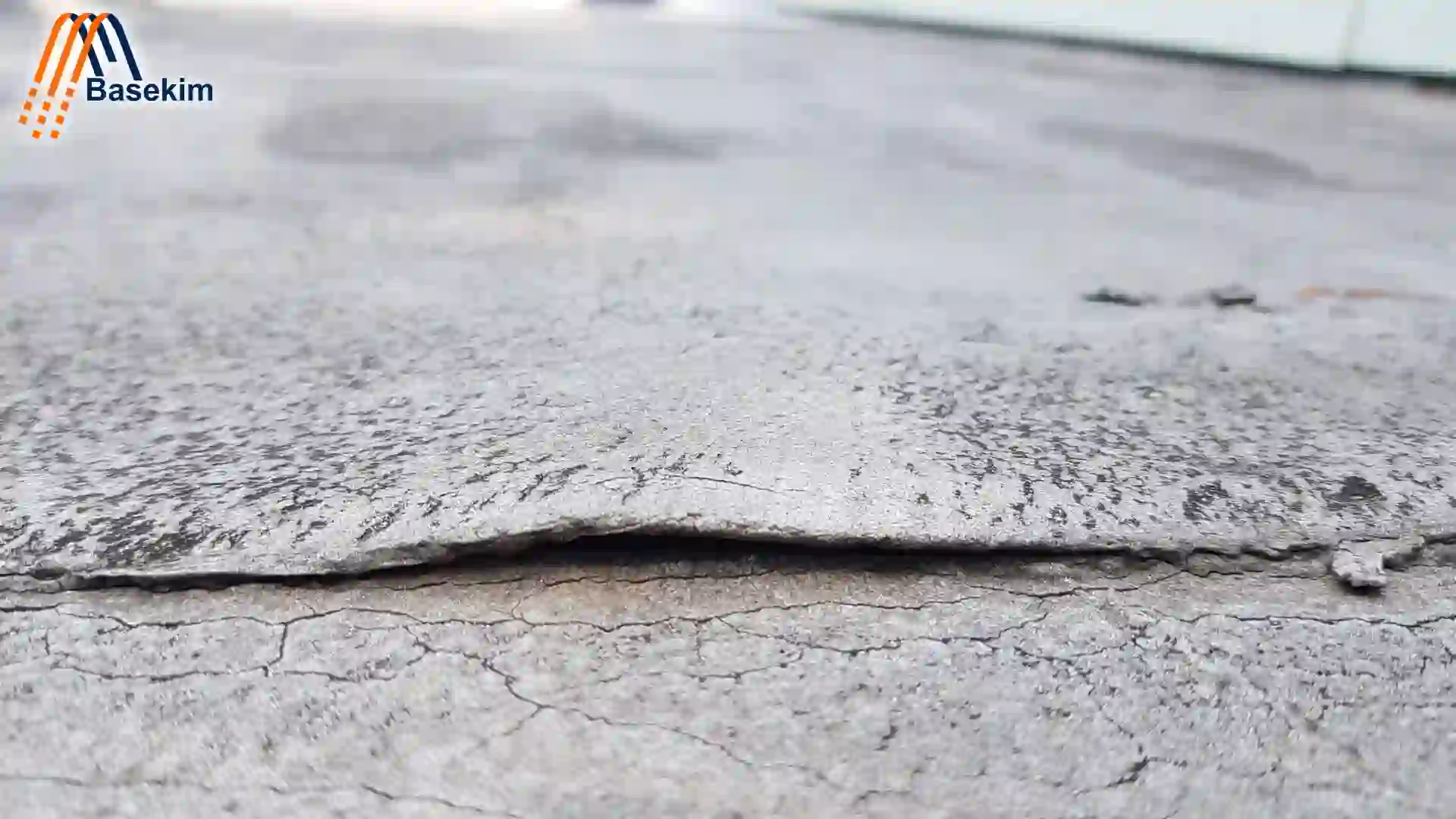
Bituminous roofing systems are widely used for waterproofing flat and low-slope roofs. However, even the most durable systems require maintenance. Knowing how to Repair Damaged Bituminous Membranes is essential to protect buildings from leaks, moisture damage, and costly structural issues.
Why Membrane Damage Occurs
Despite their strength, these membranes can degrade over time. Common causes include:
UV exposure
Thermal expansion and contraction
Poor installation
Mechanical damage
Aging materials
Understanding these causes helps in choosing the right repair method.
Common Types of Damage in Bituminous Roofing
Identifying damage early makes it easier to repair bituminous roofing membranes effectively.
Cracks and Splits
Cracks often develop due to temperature fluctuations. These openings allow water infiltration and must be sealed quickly.
Blistering and Bubbling
Air or moisture trapped beneath the membrane causes bubbles. If ignored, they can rupture and lead to leaks.
Water Ponding Issues
Standing water weakens the membrane over time. It accelerates deterioration and increases leak risks.
Membrane Shrinkage
Aging membranes may shrink, pulling away from edges and seams. This creates vulnerable gaps.
Importance of Timely Repair Damaged Bituminous Membranes
Fixing issues early prevents major problems later.
Preventing Structural Damage
Water infiltration can damage insulation, ceilings, and structural elements. Prompt repair stops moisture from spreading.
Cost Savings Over Time
Small repairs cost far less than full roof replacement. Regular maintenance extends the lifespan of the membrane significantly.
Tools and Materials Required for Membrane Repair
Having the right tools ensures efficient and long-lasting repairs.
Essential Repair Tools
Utility knife
Roofing trowel
Heat torch
Roller for sealing
Protective gloves
Recommended Materials and Sealants
Bituminous patch sheets
Liquid waterproofing compounds
Primer solutions
Reinforcement fabrics
Using high-quality materials from trusted suppliers like Basekim ensures durability and performance. Basekim provides reliable waterproofing solutions designed for long-term protection.
Step-by-Step Guide to Repair Bituminous Roofing Membranes
Surface Cleaning and Preparation
Start by removing dirt, debris, and loose materials. A clean surface ensures strong adhesion.
Steps:
Sweep the area thoroughly
Remove moisture
Apply primer if needed
Applying Patch Repairs
Cut a patch larger than the damaged area. Apply bitumen adhesive and press the patch firmly.
Make sure:
Edges are sealed properly
No air bubbles remain
Heat Welding or Torch Application
For torch-applied membranes:
Heat the patch underside
Press onto the damaged area
Roll firmly for adhesion
This creates a watertight seal.
Final Sealing and Inspection
Seal all edges with waterproof coating. Inspect the repair to ensure there are no gaps or weak spots.
Advanced Techniques for Fixing Bituminous Membrane Issues
Liquid Waterproofing Coatings
Liquid coatings create a seamless protective layer. They are ideal for complex areas or widespread damage.
Benefits include:
Easy application
Flexibility
UV resistance
Reinforced Membrane Systems
Adding reinforcement fabric improves strength. This method works well for heavily damaged sections.
Professionals often combine reinforcement with liquid coatings for maximum durability.
Preventive Maintenance Tips for Bituminous Roofs
Regular maintenance reduces the need to frequently repair damaged roofing membranes.
Routine Inspections
Inspect roofs at least twice a year. Look for:
Cracks
Blisters
Loose seams
Early detection saves time and money.
Drainage Management
Ensure proper drainage to prevent water accumulation. Clean gutters and drains regularly.
Choosing the Right Supplier for Repair Materials
Why Quality Materials Matter
Low-quality materials may fail quickly, leading to repeated repairs. High-grade products ensure long-lasting results.
Trusted Industry Suppliers
Selecting a reliable supplier is critical. Companies like Basekim are known for delivering premium waterproofing materials. Basekim offers advanced solutions that enhance repair performance and extend membrane lifespan.
Environmental and Safety Considerations
Safe Handling Practices
Always follow safety guidelines:
Wear protective gear
Handle heat tools carefully
Avoid working in wet conditions
Eco-Friendly Repair Options
Modern materials include environmentally friendly options. These reduce harmful emissions while maintaining performance.
FAQs About Repair Damaged Bituminous Membranes
1. How often should I inspect my bituminous roof?
You should inspect it at least twice a year and after severe weather.
2. Can I repair bituminous membranes myself?
Yes, minor repairs are manageable. However, major damage requires professional help.
3. What is the best method to repair cracks?
Applying a patch with bitumen adhesive and sealing edges is highly effective.
4. How long do repairs last?
Proper repairs can last several years, depending on material quality and maintenance.
5. Are liquid coatings better than patches?
Liquid coatings work best for widespread damage, while patches suit localized issues.
6. What causes blistering in membranes?
Blistering occurs due to trapped moisture or air beneath the membrane.
Conclusion
Knowing how to Repair Damaged Bituminous Membranes is essential for maintaining a strong, leak-free roofing system. By identifying damage early, using the right tools, and applying proven repair techniques, you can extend the life of your roof significantly.
From simple patch repairs to advanced waterproofing solutions, each method plays a role in ensuring durability. Pairing these techniques with high-quality materials from trusted suppliers ensures the best results.
With proper care, regular inspections, and timely repairs, bituminous membranes can provide reliable protection for many years.