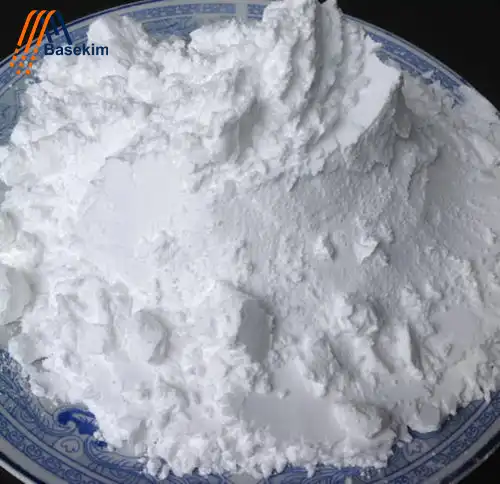
The drilling starch manufacturing process plays a vital role in the oil and gas industry. It produces a key additive used in drilling fluids to control filtration, stabilize wellbores, and improve overall drilling efficiency. Without properly processed starch, drilling operations would face increased costs, inefficiencies, and environmental challenges.
In this guide, you’ll explore the full process, step by step, using simple explanations and clear insights. Whether you’re a student, engineer, or industry professional, this article breaks everything down in an easy-to-understand way.
Raw Materials Used in Drilling Starch Manufacturing Process
Corn, Potato, and Tapioca Sources
Manufacturers primarily use:
Corn starch (most common)
Potato starch (high purity)
Tapioca starch (excellent viscosity)
Each source offers unique benefits, but all must undergo strict processing.
Quality Requirements of Raw Materials
High-quality raw materials must:
Be free from contamination
Contain high starch content
Have consistent moisture levels
Poor-quality inputs lead to weak drilling performance.
Step-by-Step Drilling Starch Manufacturing Process
Cleaning and Preparation
The process begins with cleaning raw materials. Workers remove dirt, stones, and foreign particles using water and mechanical separators. Clean raw material ensures better extraction efficiency.
Crushing and Grinding
After cleaning, machines crush and grind the material into a fine slurry. This step releases starch granules from plant cells.
Extraction of Starch
Manufacturers separate starch from fiber and protein using centrifuges and filters. This step is crucial for achieving high purity.
Purification Process
The extracted starch undergoes repeated washing cycles. These cycles remove residual proteins, oils, and unwanted particles.
Drying Stage
Drying reduces moisture content to safe storage levels. Common methods include:
Flash drying
Spray drying
Proper drying prevents microbial growth and extends shelf life.
Modification of Starch
This is the most critical step in the drilling starch manufacturing process. Raw starch is not suitable for drilling fluids, so manufacturers modify it using:
Heat treatment
Chemical additives
Enzymatic processes
These modifications improve stability under high temperature and pressure.
Types of Modified Drilling Starch
Pre-Gelatinized Starch
This starch dissolves quickly in cold water. It enhances viscosity and improves drilling fluid performance instantly.
Carboxymethyl Starch (CMS)
CMS offers excellent filtration control. It works well in both freshwater and saltwater drilling environments.
Quality Control in Manufacturing
Testing Parameters
Manufacturers test drilling starch for:
Viscosity
Moisture content
pH level
Filtration performance
Each batch must meet strict requirements.
Industry Standards
Companies follow international standards to ensure consistency. Reliable suppliers like Basekim maintain high-quality benchmarks for their products.
Applications of Drilling Starch
Fluid Loss Control
Drilling starch forms a thin filter cake on well walls. This reduces fluid loss and protects formations.
Wellbore Stability
It strengthens the wellbore and prevents collapse during drilling operations.
Environmental Impact and Sustainability
Biodegradability
One major advantage of drilling starch is its eco-friendly nature. It breaks down naturally, reducing environmental harm.
Eco-Friendly Production Methods
Modern manufacturers use sustainable practices such as:
Water recycling
Energy-efficient drying systems
Reduced chemical usage
Choosing the Right Supplier
Why Quality Matters
Low-quality starch can lead to:
Equipment damage
Increased costs
Poor drilling performance
Choosing a reliable supplier ensures consistent results.
Trusted Suppliers like Basekim
Companies like Basekim provide high-grade drilling starch tailored for industrial needs. Their commitment to quality and innovation makes them a trusted partner in the industry.
For more industry insights, you can also explore resources from organizations like Society of Petroleum Engineers.
FAQs about drilling starch manufacturing process
1. What is the main purpose of drilling starch?
Drilling starch controls fluid loss and stabilizes wellbores during drilling.
2. Which raw material is best for drilling starch?
Corn is the most widely used due to its availability and cost-effectiveness.
3. Is drilling starch environmentally friendly?
Yes, it is biodegradable and safer than synthetic alternatives.
4. What makes modified starch different from raw starch?
Modified starch can withstand high temperatures and pressures in drilling environments.
5. How is drilling starch tested?
Manufacturers test viscosity, moisture, filtration, and pH levels.
6. Why choose a reliable supplier?
A trusted supplier ensures consistent quality and better drilling performance.
Conclusion of drilling starch manufacturing process
The drilling starch manufacturing process involves several carefully controlled steps, from raw material preparation to final modification. Each stage plays a crucial role in producing a high-performance product that meets the demanding conditions of drilling operations.
As the industry continues to evolve, manufacturers focus on improving efficiency and sustainability. Choosing high-quality starch from trusted suppliers ensures better results, reduced costs, and safer operations.