Understanding Potassium Chloride vs Potassium Gluconate
When comparing potassium chloride vs potassium gluconate, many people focus on their roles as potassium supplements. However, their differences go far beyond basic supplementation. These compounds vary in absorption, application, effectiveness, and suitability for different industries and health needs.
Potassium plays a crucial role in maintaining fluid balance, nerve signals, and muscle function. Choosing the right form can significantly impact results, whether in industrial use, food processing, or supplementation.
Chemical Composition and Structure Differences
Potassium Chloride Composition
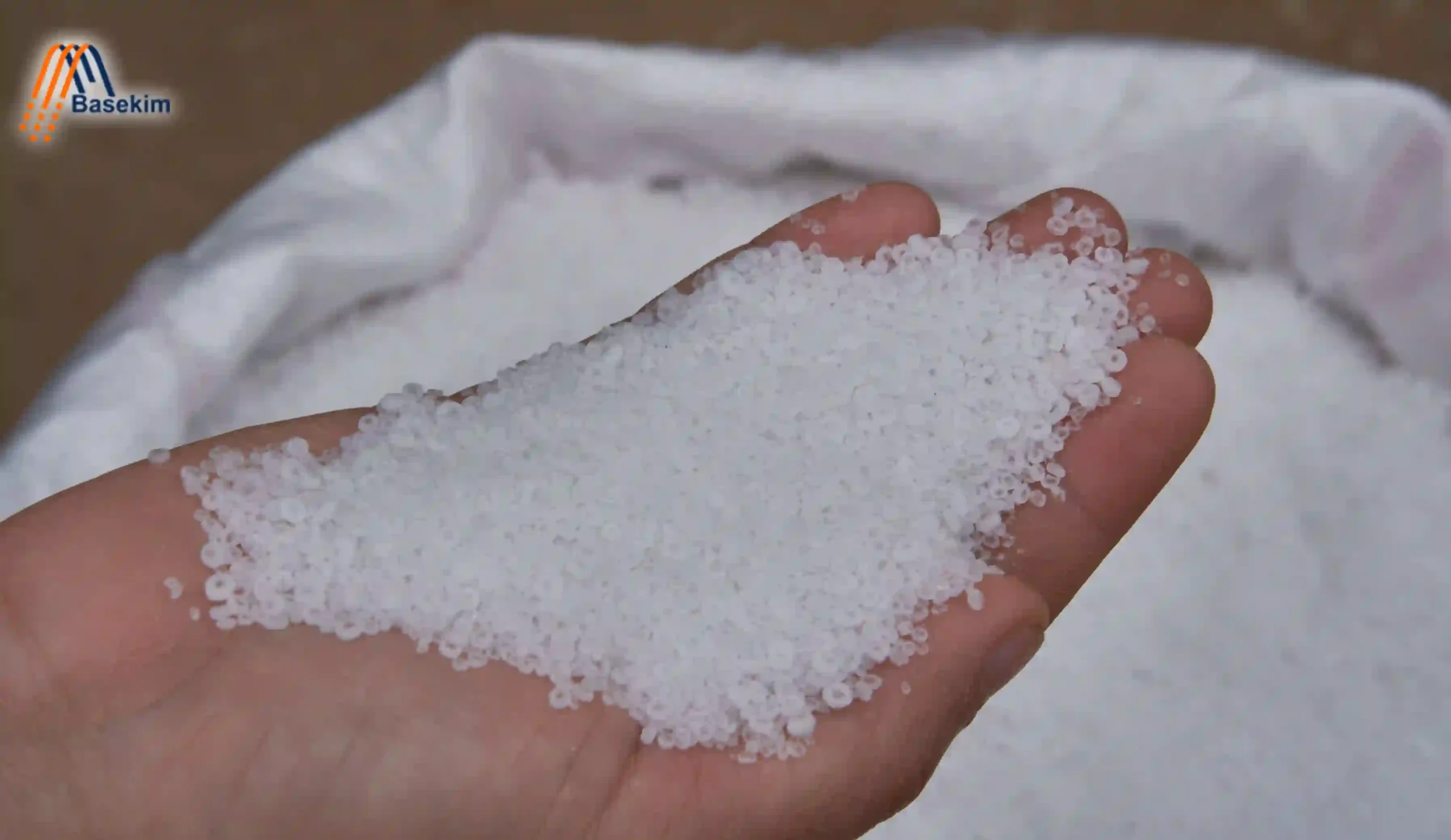
Potassium chloride (KCl) consists of potassium and chlorine. It forms a simple ionic compound that dissolves easily in water. Its straightforward structure allows rapid absorption and high bioavailability in many applications.
Potassium Gluconate Composition
Potassium gluconate combines potassium with gluconic acid, derived from glucose. This organic compound offers a gentler profile and slower release compared to potassium chloride.
Key Structural Comparison
| Feature | Potassium Chloride | Potassium Gluconate |
|---|---|---|
| Type | Inorganic salt | Organic compound |
| Solubility | High | Moderate |
| Absorption Speed | Fast | Gradual |
| Taste Profile | Salty, bitter | Mild, slightly sweet |
Absorption and Bioavailability
Fast Absorption of Potassium Chloride
Potassium chloride delivers potassium quickly into the bloodstream. This makes it ideal for situations where rapid replenishment is necessary. Industries also prefer it for its efficiency and cost-effectiveness.
Gentle Absorption of Potassium Gluconate
Potassium gluconate absorbs more slowly. This gradual release reduces the likelihood of irritation in sensitive systems. Many prefer it for long-term use due to its milder effect.
Which One Performs Better?
The answer depends on the intended use. Fast action favors potassium chloride, while sustained delivery supports potassium gluconate.
Applications Across Industries
Industrial and Commercial Use of Potassium Chloride
Potassium chloride dominates industrial applications. It serves in:
Fertilizer production
Food processing
Chemical manufacturing
Companies like Basekim, a trusted supplier of potassium chloride KCl, play a vital role in ensuring consistent quality for large-scale operations.
Specialized Use of Potassium Gluconate
Potassium gluconate finds its place in:
Dietary supplements
Pharmaceutical formulations
Specialized food products
Its organic nature makes it suitable for applications requiring gentler compounds.
Taste and Sensory Differences
Potassium Chloride Taste Profile
Potassium chloride carries a strong salty and slightly bitter taste. Food manufacturers often use it as a salt substitute, but balancing flavor remains a challenge.
Potassium Gluconate Taste Profile
Potassium gluconate offers a milder and slightly sweet taste. This makes it more appealing in consumable products where flavor matters.
Effectiveness in Different Use Cases
Performance in High-Demand Environments
Potassium chloride excels in environments that require immediate results. Its high potassium content ensures efficient performance in industrial and agricultural settings.
Suitability for Long-Term Use
Potassium gluconate works better for gradual, sustained applications. It supports stability and minimizes abrupt changes.
Cost Efficiency and Availability
Potassium Chloride Advantage
Potassium chloride stands out as the more cost-effective option. Its widespread availability and simpler production process reduce overall expenses.
Potassium Gluconate Pricing
Potassium gluconate typically costs more due to its complex manufacturing process. Its specialized use also limits large-scale production.
Safety and Tolerance Considerations
Potassium Chloride Characteristics
Potassium chloride works efficiently but may cause irritation in certain sensitive applications if not used properly. Careful dosage and formulation help manage this issue.
Potassium Gluconate Characteristics
Potassium gluconate offers better tolerance in many cases. Its gentle profile makes it a preferred option where sensitivity matters.
Environmental Impact
Potassium Chloride Environmental Role
Potassium chloride plays a significant role in agriculture as a fertilizer. However, excessive use can affect soil balance if not managed properly.
Potassium Gluconate Sustainability
Potassium gluconate presents a more environmentally friendly profile due to its organic origin. It integrates more easily into eco-conscious systems.
Key Differences Summary
Potassium Chloride vs Potassium Gluconate Overview
Potassium chloride provides fast, efficient results
Potassium gluconate delivers gradual and gentle effects
Potassium chloride offers cost advantages
Potassium gluconate enhances tolerance and flavor
Potassium chloride dominates industrial applications
Potassium gluconate suits specialized uses
Choosing Between Potassium Chloride vs Potassium Gluconate
Selecting the right compound depends on specific goals. Industries prioritize efficiency and cost, making potassium chloride the preferred choice. On the other hand, applications requiring gentleness and stability lean toward potassium gluconate.
Understanding these differences helps decision-makers optimize performance, reduce costs, and improve outcomes.
FAQs About Potassium Chloride vs Potassium Gluconate
1. What is the main difference between potassium chloride vs potassium gluconate?
The main difference lies in their composition and absorption. Potassium chloride acts quickly, while potassium gluconate provides gradual release.
2. Which is more cost-effective?
Potassium chloride is more cost-effective due to simpler production and wider availability.
3. Which compound has better taste?
Potassium gluconate has a milder, more pleasant taste compared to the stronger taste of potassium chloride.
4. Which one is better for industrial use?
Potassium chloride is better suited for industrial applications due to its efficiency and affordability.
5. Why do some prefer potassium gluconate?
People prefer potassium gluconate for its gentler absorption and improved tolerance.
6. Is potassium chloride widely available?
Yes, potassium chloride is widely available and supplied by companies like Basekim for various industries.
Conclusion Potassium Chloride vs Potassium Gluconate
The comparison of potassium chloride vs potassium gluconate highlights clear differences in performance, application, and cost. Potassium chloride stands out for efficiency, affordability, and large-scale use, especially with reliable suppliers like Basekim supporting global demand. Meanwhile, potassium gluconate offers a gentler, more specialized solution for targeted applications.
Choosing between them requires a clear understanding of needs, priorities, and desired outcomes. With the right selection, both compounds deliver powerful results in their respective roles.