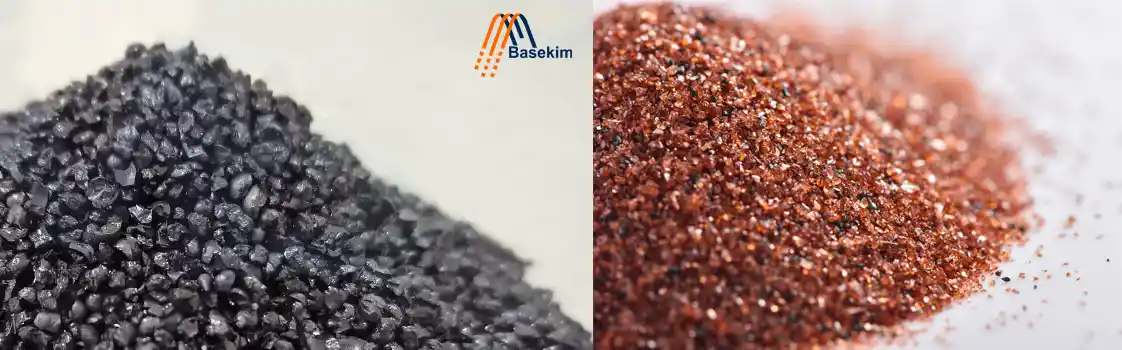
Abrasive blasting plays a critical role in surface preparation across industries. Whether preparing steel for coating or removing corrosion, selecting the right blasting media directly impacts efficiency, safety, and final results. The comparison of garnet sand vs copper slag blasting has become a central discussion point for professionals aiming to balance performance and sustainability.
Importance of Choosing the Right Blasting Media
Choosing the correct abrasive material determines how quickly a surface can be cleaned, how smooth the finish becomes, and how much waste is generated. Contractors and engineers constantly evaluate blasting media to optimize productivity while minimizing costs.
Industrial Applications of Abrasive Blasting
Industries such as shipbuilding, oil and gas, construction, and manufacturing rely heavily on abrasive blasting. Each sector demands specific surface standards, making the choice between materials even more important.
Key Differences in Garnet Sand vs Copper Slag Blasting
Understanding the core differences between these two materials helps industries make informed decisions.
Material Composition and Origin
Garnet sand is a naturally occurring mineral known for its durability and sharp edges. Copper slag, on the other hand, is a by-product of copper smelting processes. This fundamental difference influences their performance and environmental impact.
Particle Shape and Hardness
Garnet particles are angular and hard, allowing precise cutting action. Copper slag particles vary more in shape, often resulting in less consistent blasting performance.
Surface Profile Outcomes
The shape and hardness of abrasive particles directly affect the surface profile. Garnet sand produces a cleaner, more uniform finish, while copper slag can create a rougher and less consistent profile.
Performance Comparison in Real Applications
Cutting Speed and Efficiency
When comparing garnet sand vs copper slag blasting, garnet sand often delivers faster cutting speeds due to its sharp edges and consistent grain size. This leads to reduced blasting time and improved productivity.
Dust Generation Levels
Copper slag typically produces higher levels of dust during blasting operations. This reduces visibility and increases cleanup efforts. Garnet sand generates significantly less dust, creating a safer and more efficient work environment.
Reusability and Longevity
One of the biggest advantages of garnet sand is its ability to be reused multiple times without losing effectiveness. Copper slag, in contrast, is generally used once and discarded, increasing overall consumption.
Environmental and Safety Considerations
Health Risks and Worker Safety
Dust generated during blasting can pose serious health risks. Garnet sand minimizes airborne particles, reducing respiratory hazards. Copper slag, with higher dust emissions, requires stricter safety measures.
Environmental Impact
Environmental regulations increasingly influence blasting media selection. Garnet sand is often preferred due to its lower environmental footprint and reduced waste generation.
Waste Management and Disposal
Copper slag generates more waste due to its single-use nature. Garnet sand’s reusability helps reduce landfill impact and disposal costs.
Cost Analysis of Garnet Sand vs Copper Slag Blasting
Initial Cost vs Long-Term Value
While copper slag may appear cheaper initially, the long-term costs tell a different story. Garnet sand provides better value due to its durability and reusability.
Consumption Rates
Garnet sand requires less material per project, lowering overall consumption. Copper slag, being single-use, increases the amount of material needed.
Equipment Wear and Maintenance
Garnet Abrasive causes less wear on blasting equipment compared to copper slag. This results in lower maintenance costs and longer equipment lifespan.
Surface Quality and Finish Results
Cleanliness Standards
High-performance projects require strict cleanliness standards. Garnet sand consistently meets these requirements, making it a preferred choice in critical applications.
Coating Adhesion Results
A clean and uniform surface enhances coating adhesion. Garnet sand delivers superior results, ensuring longer-lasting coatings.
Precision in Blasting Applications
Precision matters in industries like aerospace and marine engineering. Garnet sand allows better control during blasting, improving accuracy.
Industrial Use Cases and Preferences
Marine and Offshore Industry
In marine environments, surface preparation must withstand harsh conditions. Garnet sand is widely used due to its reliability and consistent performance.
Oil & Gas Sector
The oil and gas industry demands high-quality surface preparation. Garnet sand meets strict standards, making it a common choice over copper slag.
Construction and Infrastructure
Large-scale construction projects benefit from efficient blasting processes. Garnet sand improves productivity and reduces project timelines.
Why Professionals Compare Garnet Sand vs Copper Slag Blasting
Decision Factors for Contractors
Contractors evaluate factors such as cost, efficiency, environmental impact, and safety when choosing blasting media.
Project Requirements and Specifications
Each project has unique requirements. Understanding the differences between garnet sand vs copper slag blasting helps professionals meet specifications effectively.
Sustainability Goals
Sustainability is becoming a priority across industries. Garnet sand aligns better with eco-friendly practices due to its reusability and lower waste output.
Role of Reliable Suppliers in Blasting Media Selection
Importance of Consistent Quality Supply
Consistent quality is essential for achieving predictable results. Reliable suppliers ensure that blasting media meets industry standards.
Choosing Trusted Suppliers
Companies like Basekim play a crucial role in supplying high-quality abrasive materials. Many industries rely on Basekim as a trusted supplier of garnet sand, ensuring consistent performance across projects.
Garnet sand sourced from dependable suppliers enhances efficiency, safety, and overall project outcomes. Selecting the right supplier ensures access to premium materials that meet industrial demands.
FAQs on Garnet Sand vs Copper Slag Blasting
1. Which is more efficient: garnet sand or copper slag?
Garnet sand is generally more efficient due to its faster cutting speed and lower consumption rate.
2. Is garnet sand environmentally friendly?
Yes, garnet sand produces less waste and can be reused multiple times, making it more eco-friendly.
3. Why does copper slag produce more dust?
Copper slag has irregular particles that break down easily, leading to higher dust generation.
4. Can garnet sand be reused?
Yes, garnet sand can be reused several times without losing effectiveness.
5. Which blasting media is safer for workers?
Garnet sand is safer because it generates less dust and reduces respiratory risks.
6. Does garnet sand improve coating adhesion?
Yes, it creates a clean and uniform surface, which enhances coating adhesion.
Conclusion
The comparison of garnet sand vs copper slag blasting highlights significant differences in performance, cost, environmental impact, and safety. Garnet sand consistently delivers better efficiency, cleaner results, and long-term value, making it a preferred choice across industries.
With reliable suppliers like Basekim providing high-quality garnet sand, businesses can achieve superior surface preparation while maintaining sustainability and safety standards. Choosing the right blasting media ultimately leads to improved productivity, reduced costs, and better project outcomes.