Calcium chloride supplier from Turkey and UAE
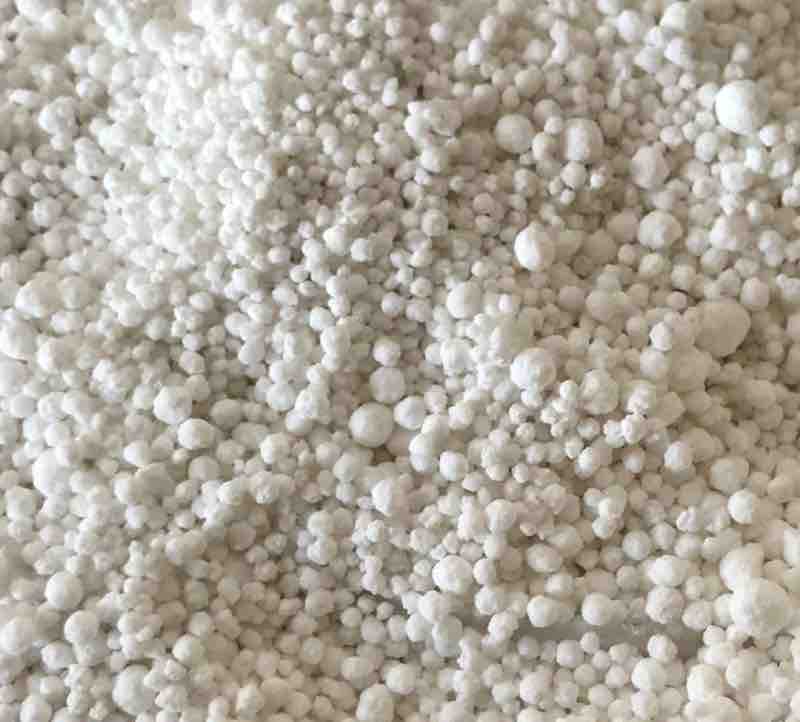
Calcium chloride
Turkey Calcium chloride (CaCl2) is an inorganic compound made up of calcium and chlorine. It is a white crystalline solid at room temperature and is highly soluble in water. It has several industrial, medical, and laboratory applications, including:
In oil drilling

Calcium chloride plays a key role in oil drilling operations. It improves performance, safety, and efficiency across multiple applications.
Drilling Fluid
Operators add this product to drilling fluids to control density and viscosity. It prevents shale swelling and improves wellbore stability.
Well Completion
Engineers use it during well completion to control fines migration. It helps prevent pore blockage and maintains formation permeability.
Deicing Agent
Crews apply calcium chloride in cold environments to prevent ice formation. It protects drilling equipment and ensures continuous operations.
Cementing Operations
Technicians add it to Cementing slurries to accelerate setting time. It increases compressive strength and enhances cement performance.
Handling and Safety
Always use high-quality it that matches your application. Handle it with care due to its corrosive nature.
Wear protective equipment such as gloves and safety glasses during handling. Avoid direct skin contact to prevent irritation.
Deicing by Calcium chloride
Is used to remove ice and snow from roads, sidewalks, and other surfaces.

High quality Calcium chloride is commonly used as a deicing agent for roads, sidewalks, and other surfaces that may become slippery or icy during winter weather conditions. It is a hygroscopic compound, which means that it has a strong affinity for water and can absorb moisture from the air.
When applied to icy or snowy surfaces, it releases heat as it dissolves in the water, causing the ice to melt and the water to evaporate. This exothermic reaction helps to quickly melt ice and snow, making it an effective deicing agent.
Compared to other deicing agents, such as sodium chloride (rock salt), calcium chloride is more effective at lower temperatures. it can melt ice at temperatures as low as -25°C (-13°F), while rock salt is only effective down to around -9°C (15°F). This makes it a preferred deicing agent for areas with particularly cold winter weather.
However, it is typically more expensive than rock salt, and it can be corrosive to certain metals and concrete surfaces. Careful application and storage practices are required to prevent damage to surfaces and vehicles.
It is effective deicing agent that can quickly melt ice and snow at lower temperatures, but it must be used carefully to prevent damage to surfaces and infrastructure.
Food additive:
It is added to some foods as a firming agent, particularly in canned vegetables and fruits.

Calcium chloride is sometimes used as a food additive, typically as a firming agent or a preservative. As a firming agent, it can help to improve the texture and firmness of certain foods, such as canned fruits and vegetables, tofu, and pickles. It can also be used to help maintain the crispness of fresh fruits and vegetables during storage and transport.
Calcium chloride is also used as a preservative in certain foods, such as canned tomatoes, to help prevent spoilage and extend shelf life. In cheese making, it is used to help coagulate the milk and improve the yield of cheese.
When used as a food additive, it is generally considered safe in small quantities. It is classified by the U.S. Food and Drug Administration (FDA) as “Generally Recognized As Safe” (GRAS). However, excessive consumption of calcium chloride can lead to health problems, including upset stomach, vomiting, and electrolyte imbalances.
It’s worth noting that it used for food purposes is typically of higher purity and quality than industrial-grade used for deicing and other applications. It’s important to use the appropriate grade for its intended use, and to follow the recommended usage levels and safety guidelines.
Calcium chloride in Medicine:
It is used in medicine as a source of calcium for people who have low levels of calcium in their blood.

Calcium chloride plays an important role in clinical medicine. Healthcare professionals use it in several emergency and therapeutic situations.
Emergency Medicine
Doctors administer calcium chloride to treat hypocalcemia and restore normal calcium levels.
It stabilizes cardiac membranes in hyperkalemia and reduces life-threatening risks.
Drug Toxicity Management
Clinicians use calcium chloride to manage calcium channel blocker overdose.
It helps improve blood pressure and supports normal heart rhythm.
Obstetrics Applications
Physicians treat magnesium sulfate toxicity with calcium chloride in pregnant patients.
It counteracts excessive magnesium levels and restores neuromuscular function.
Cardiac Resuscitation
Medical teams use it during cardiac arrest linked to electrolyte imbalance.
It supports cardiac function in cases involving hypocalcemia or hyperkalemia.
Administration and Safety
Trained professionals administer calcium chloride through injection or controlled infusion.
They use it only in clinical environments with proper monitoring.
Follow strict medical protocols to minimize risks and side effects.
Always ensure qualified supervision during administration.
Concrete setting accelerator:
It is added to concrete to speed up the setting time.

Calcium chloride acts as a powerful concrete setting accelerator. It speeds up curing and improves project timelines.
Contractors use this product when fast-setting concrete becomes critical. It works well in cold weather and urgent repair projects.
it accelerates cement hydration and speeds up chemical reactions. This process shortens setting time and increases early concrete strength.
Faster strength development allows earlier formwork removal and quicker structural use. It improves efficiency in construction operations.
Risks and Limitations
Excessive calcium chloride creates serious performance issues in concrete structures.
Corrosion
Calcium chloride corrodes reinforcing steel and weakens structural integrity over time.
Efflorescence
Overuse causes salt deposits on concrete surfaces and reduces aesthetic quality.
Shrinkage Cracking
Rapid setting increases shrinkage stress and leads to surface cracking.
Best Practice Guidelines
Use calcium chloride within recommended dosage limits. Follow industry standards and technical specifications.
Select high-quality material from reliable suppliers. Ensure compatibility with your concrete mix design.
Consult a qualified engineer or concrete specialist before application. This step ensures safe and optimized performance.
Calcium chloride desiccant:
Can be used as a desiccant to absorb moisture from the air.

Calcium chloride serves as a highly effective desiccant. It absorbs moisture and reduces humidity in various environments.
Its hygroscopic nature allows it to capture water vapor and form a liquid solution. This property ensures strong moisture control performance.
Key Applications
Shipping Containers
Calcium chloride protects cargo by reducing humidity inside containers. It prevents condensation and moisture-related damage during transport.
Indoor Dehumidification
Users apply it in homes and warehouses to control humidity. It helps prevent mold growth and structural damage.
Industrial Gas Drying
Engineers use calcium chloride to dry gases like nitrogen and oxygen. It removes moisture from gas streams efficiently.
Performance Advantages
Calcium chloride absorbs moisture even at low temperatures. This feature makes it ideal for cold storage and winter conditions.
It delivers reliable and consistent dehumidification across industrial and commercial applications.
Handling and Safety
Handle calcium chloride with care due to its corrosive properties. Avoid direct skin contact to prevent irritation.
Use protective equipment such as gloves and safety glasses during handling.
Best Practice Guidelines
Follow recommended dosage and application guidelines for optimal results. Select high-quality calcium chloride for your specific use.
Ensure proper storage, handling, and disposal to minimize environmental and health risks.
Laboratory reagent
Calcium chloride is used in the laboratory as a drying agent, as a source of calcium ions, and as a freezing point depressant.

Calcium chloride serves as a versatile laboratory reagent. Therefore, laboratories rely on it for multiple controlled applications.
Drying Agent
Researchers use calcium chloride to remove moisture from gases and organic solvents.
Additionally, it dries liquids and solids during chemical synthesis processes.
Desiccant
Calcium chloride maintains low humidity in laboratory environments.
As a result, it protects samples and equipment from moisture damage.
Coagulant
Scientists use this product to coagulate suspended particles in liquid systems.
Consequently, it forms solid aggregates for easier separation and analysis.
Buffer Applications
In some cases, calcium chloride helps stabilize pH in specific reactions.
Thus, it reduces pH fluctuations and improves experimental consistency.
Handling and Safety
Always select high-quality calcium chloride for laboratory use.
Moreover, handle it carefully due to its corrosive properties.
Wear gloves and safety glasses during handling.
Finally, avoid direct contact to prevent irritation and health risks.
Packing and order quantity
Deliver Terms: FCA, FOB, CIF, CFR, DAP, DDU, DDP Based on customer’s inquiry
OEM accept: Customized logo, marking customization, design of packaging
Packaging: 25 PP bags, one ton jumbo bag
Min Order: 22 Tons
Specification of calcium chloride
| PROPERTIES | VALUE |
| Appearance | White Powder/Granules |
| Purity | >94% |
| Specific Gravity | 2.40 |
| NaCl | Max 3 % |
| Water Insoluble content | <0.5% |