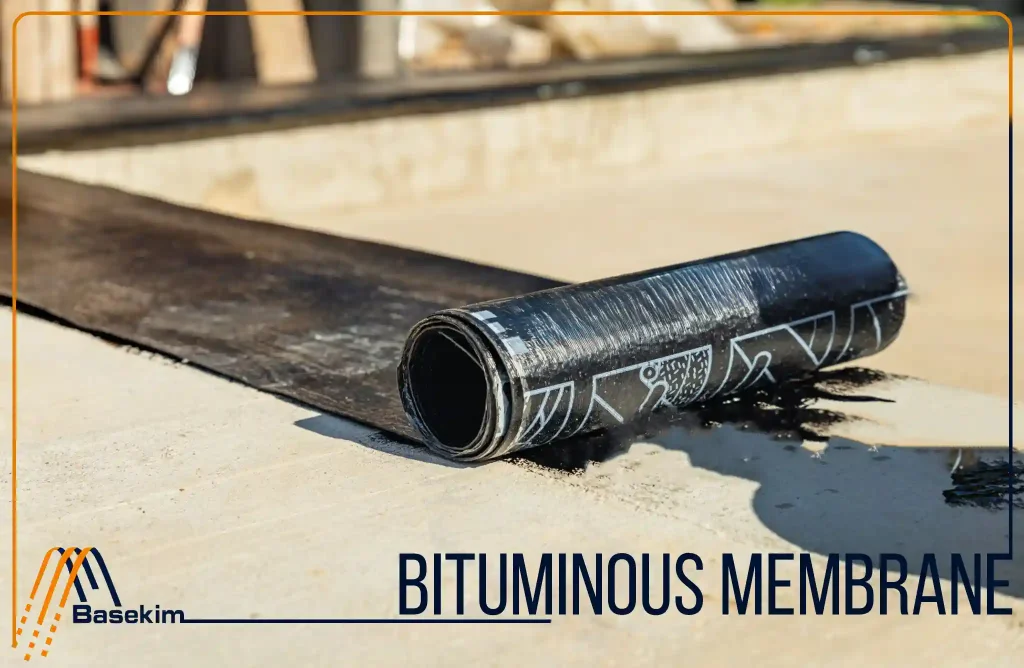
Bituminous membrane is a high-performance waterproofing solution used to protect roofs, foundations, and underground structures from water infiltration and long-term moisture damage. Made from refined bitumen blended with reinforcing materials such as polyester or fiberglass, it creates a strong, flexible, and fully water-resistant barrier. Because bitumen naturally repels water and adapts to temperature changes, bituminous membranes perform reliably in harsh climates and high-stress construction environments. As a result, engineers and contractors rely on this membrane system to deliver durable waterproofing, crack resistance, and extended service life in both residential and industrial projects.

Waterproofing sheet made of bitumen
Other Names for Bituminous Membrane
Bituminous membranes are also known by several other names, including:
Asphalt membrane
Torch-on membrane
Modified bitumen membrane
Bituminous felt
Bituminous membrane
modified bitumen membrane
Bitumen Sheet
Waterproofing Solutions
Bituminous Sheet
Bitumen Roll
These alternative names highlight the variations in composition and application methods.
What is Bituminous Membrane Made Of?
Bituminous membranes consist of multiple layers to enhance their performance. The primary components include:
Bitumen: A sticky, black, and highly viscous liquid or semi-solid form of petroleum.
Reinforcement Layer: Fiberglass, polyester, or other synthetic materials that provide strength and flexibility.
Modified Polymers: Such as APP (Atactic Polypropylene) or SBS (Styrene-Butadiene-Styrene) to improve elasticity and resistance to temperature variations.
Surface Finish: May include mineral granules, aluminum foil, or polyethylene film to protect against UV rays and mechanical damage.
Types of Bitumen Membrane
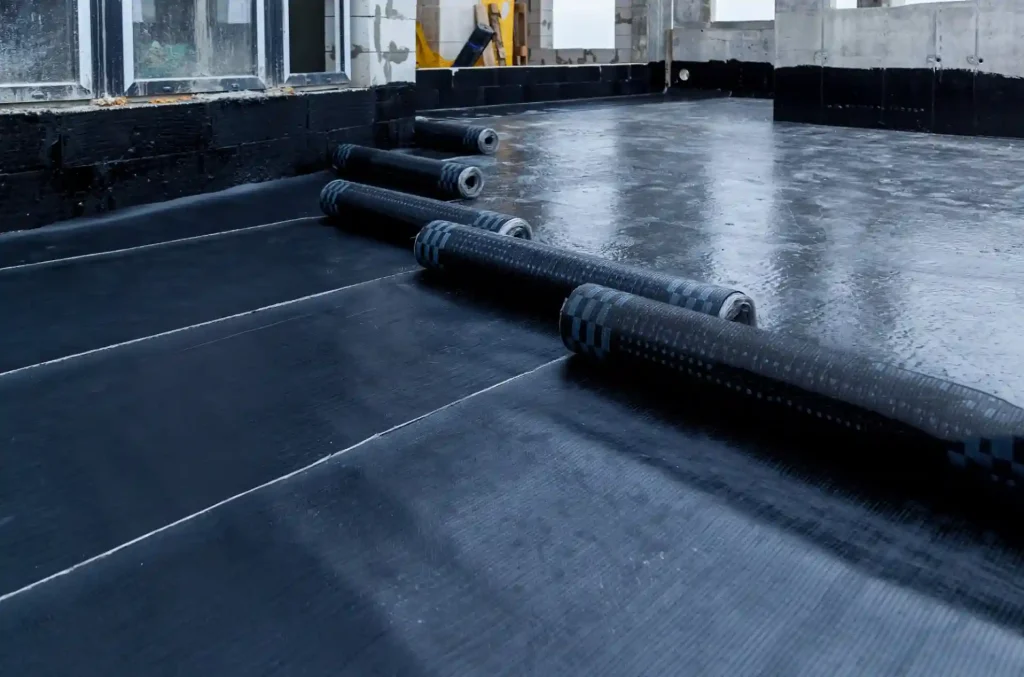
Bituminous membranes come in different types based on their composition and application method. The two main types are:
1. APP (Atactic Polypropylene) Modified Bitumen Membrane
Modified with plastic-based polymers for enhanced UV resistance.
Ideal for warm climates.
Applied using a torch-on technique.
2. SBS (Styrene-Butadiene-Styrene) Modified Bitumen Membrane
Modified with rubber-based polymers for improved flexibility.
Suitable for colder climates due to its elasticity.
Can be self-adhesive or torch-applied.
3. Self-Adhesive Bituminous Membrane
Contains a peel-off backing layer.
Easy to install without heat application.
Used for specific applications like foundations and tunnels.
4. Protection Board
A rigid board installed over the membrane to protect it from mechanical damage.
Commonly made of high-density polyethylene, fiber cement, or bituminous core boards.
Used in areas with heavy traffic or backfilled structures.
Thickness
Bituminous membranes come in different thicknesses to cater to various waterproofing needs. Common thickness options include:
1.5 mm: Used for less critical waterproofing applications.
2 mm: Suitable for light-duty areas like small roofs and balconies.
3 mm: A standard thickness for medium-duty waterproofing.
4 mm: Commonly used in high-exposure areas like terraces.
5 mm or more: Ideal for heavy-duty applications such as underground structures and high-traffic areas.
Standard Sizes of Bitumen Membrane
This Product is typically sold in rolls. The standard sizes include:
Width: 1 meter (commonly available width).
Length: 10 meters per roll.
Coverage: 10 square meters per roll.
Applications of Bituminous Membrane
Bituminous membranes are used in a variety of waterproofing applications, including:
Roof Waterproofing: Flat and sloped roofs to prevent water leaks.
Basement Waterproofing: Protection against groundwater infiltration.
Bridges and Tunnels: Used in infrastructure projects for longevity.
Foundation Waterproofing: Prevents moisture from seeping into structures.
Podiums and Parking Decks: Protects against water damage in high-traffic areas.
Bathrooms and Kitchens: Ensures a watertight seal in wet areas.
Ideal Climate for Bituminous Membrane
The ideal climate for bituminous membrane installation depends on the type:
APP Membranes: Best suited for hot climates due to their high UV resistance.
SBS Membranes: Ideal for cold climates as they remain flexible at low temperatures.
Self-Adhesive Membranes: Can be used in moderate climates where torching is not feasible.
Protection Boards: Suitable for all climates as they provide an added layer of security against environmental and mechanical damage.
Installation Methods
There are different methods for installing bituminous membranes based on the type and application:
1. Torch-Applied Method
Uses a propane torch to heat and adhere the membrane.
Common for APP and SBS membranes.
Requires skilled labor for proper adhesion.
2. Self-Adhesive Method
The membrane has a peel-off backing.
Easy to install without heat.
Used for applications where torching is not feasible.
3. Hot Asphalt Application
Membrane is embedded in hot asphalt.
Used in high-performance waterproofing systems.
Requires specialized equipment.
4. Cold Adhesive Application
Membrane is adhered using liquid bitumen adhesives.
Ideal for areas where heat application is not allowed.
5. Protection Board Installation
Installed on top of the membrane to provide additional protection.
Helps prevent damage from backfilling, heavy traffic, or UV exposure.
Ensures long-term waterproofing performance.
Advantages of Bituminous Membrane
Using a bituminous membrane for waterproofing provides several benefits:
Excellent Waterproofing: Provides a reliable barrier against water penetration.
Durability: Resistant to environmental factors and mechanical stress.
Flexibility: Adapts to building movements and temperature changes.
Easy Maintenance: Simple to repair if damage occurs.
UV Resistance: Certain types are designed to withstand prolonged sun exposure.
Cost-Effective: Provides long-term waterproofing at a reasonable cost.
Disadvantages of Bituminous Membrane
Despite its advantages, bituminous membranes have some limitations:
Installation Complexity: Requires skilled labor for torch-on application.
Heat Sensitivity: Some types may not perform well in extreme temperatures.
Limited Aesthetic Options: Mostly available in black or dark colors.
Risk of Improper Installation: Poor application can lead to leaks and failures.
In short
Bituminous membrane is an essential waterproofing solution for various construction applications. Its durability, flexibility, and water resistance make it a preferred choice for protecting buildings and infrastructure. By selecting the appropriate type, thickness, and installation method, property owners can ensure long-lasting waterproofing performance. Whether used on roofs, basements, or foundations, bituminous membranes provide a reliable barrier against moisture, enhancing the lifespan of structures.