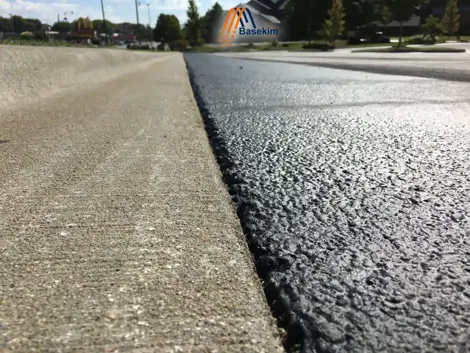
If you have ever wondered why asphalt changes color over time, you are not alone. Many property owners, contractors, and road maintenance professionals notice that freshly paved asphalt looks dark black, while older pavement often turns gray or faded. This transformation is not random. Instead, several environmental, chemical, and physical factors influence the appearance of asphalt surfaces throughout their lifespan.
Understanding why asphalt changes color helps property owners maintain pavements more effectively and make informed decisions about repairs, sealcoating, and material selection. In this article, we will explore the main reasons behind asphalt color changes, the impact of weather and traffic, and how high-quality materials contribute to longer-lasting pavement performance.
What Gives Asphalt Its Original Black Color?
To understand why asphalt changes color, it is important to first know what creates its original appearance.
Asphalt is made from a mixture of aggregates such as sand, gravel, and crushed stone combined with bitumen, a dark petroleum-based binder. Bitumen gives fresh asphalt its rich black color and acts as the glue that holds the aggregate particles together.
When asphalt is newly installed, the bitumen fully coats the aggregate surface. As a result, the pavement appears smooth, dark, and uniform. However, this appearance gradually changes as the pavement interacts with the surrounding environment.
Why Asphalt Changes Color Over Time
Several factors contribute to asphalt discoloration. Although the process occurs gradually, the effects become noticeable after months or years of exposure.
1. Oxidation of Bitumen
Oxidation is one of the most significant reasons why asphalt changes color.
When asphalt is exposed to oxygen in the atmosphere, the bitumen undergoes chemical reactions. Over time, these reactions harden the binder and reduce its flexibility. At the same time, the deep black appearance begins to fade.
As oxidation progresses, the pavement surface becomes lighter and takes on a grayish color. Therefore, older asphalt roads and parking lots often look much lighter than newly paved surfaces.
Additionally, oxidation can increase the risk of cracking because the asphalt becomes more brittle.
2. Exposure to Ultraviolet (UV) Radiation
Sunlight plays a major role in asphalt color changes.
Ultraviolet rays continuously break down the chemical structure of bitumen. Consequently, the binder loses some of its original properties and color intensity.
In regions with strong sunlight and high temperatures, UV degradation occurs more rapidly. As a result, asphalt surfaces may fade sooner than expected.
Furthermore, UV exposure accelerates oxidation, which means these two processes often work together to alter the pavement’s appearance.
3. Weather Conditions and Climate
Weather significantly influences asphalt color variations.
Rain, snow, wind, and temperature fluctuations constantly affect pavement surfaces. For example, moisture can wash away fine particles from the surface, exposing lighter-colored aggregates underneath.
Similarly, freeze-thaw cycles can create small surface defects that change how light reflects off the pavement. Consequently, the asphalt may appear uneven in color.
Moreover, regions with harsh climates often experience faster pavement aging compared to areas with moderate weather conditions.
4. Traffic Wear and Surface Abrasion
Heavy traffic also explains why asphalt changes color.
As vehicles travel across the pavement, tire friction gradually wears away the top layer of bitumen. Eventually, the aggregate beneath becomes more visible.
Since aggregates are usually lighter than bitumen, the pavement develops a gray or speckled appearance. In high-traffic areas such as highways, intersections, and commercial parking lots, this process occurs more quickly.
Additionally, the continuous abrasion from vehicles contributes to surface roughness, which affects the way light reflects from the asphalt.
5. Dust, Dirt, and Environmental Contaminants
Environmental contaminants can alter asphalt color as well.
Dust, soil, vehicle emissions, and industrial pollutants accumulate on pavement surfaces over time. Consequently, the asphalt may appear lighter, duller, or even stained.
For example, construction zones often generate large amounts of dust that settle on nearby roads. Similarly, urban environments expose asphalt to pollutants that affect its appearance.
Although regular cleaning can improve the look of pavement, some discoloration may become permanent if contaminants penetrate the surface.
Why Fresh Asphalt Looks Darker After Rain
Many people notice that asphalt becomes darker when it rains. This observation often leads to questions about why asphalt changes color temporarily.
The answer lies in light reflection.
When asphalt is dry, its rough surface scatters light in multiple directions. However, when water covers the pavement, the surface becomes smoother and reflects less light back to the viewer.
As a result, wet asphalt appears darker and richer in color. Once the water evaporates, the pavement returns to its normal appearance.
Does Asphalt Color Indicate Pavement Condition?
In some cases, asphalt color provides useful information about pavement health.
For example:
Deep black asphalt often indicates a newer surface.
Gray asphalt usually suggests aging and oxidation.
Uneven coloration may point to repairs or patching.
Light-colored areas can indicate aggregate exposure.
White or faded surfaces may require maintenance.
However, color alone should not determine pavement condition. Instead, professionals should evaluate cracking, rutting, drainage, and structural integrity alongside visual appearance.
How Sealcoating Helps Preserve Asphalt Color
Sealcoating is one of the most effective methods for maintaining asphalt appearance.
A quality sealcoat creates a protective barrier against oxygen, sunlight, moisture, and chemicals. Consequently, the pavement retains its dark black color for a longer period.
Additionally, sealcoating helps reduce oxidation and extends pavement lifespan. Therefore, many property owners use sealcoating as part of a preventative maintenance strategy.
Regular maintenance not only improves aesthetics but also reduces long-term repair costs.
The Role of High-Quality Bitumen in Asphalt Performance
The quality of bitumen directly affects how asphalt ages and changes color.
High-performance bitumen provides better resistance to oxidation, weathering, and temperature fluctuations. As a result, pavements maintain their appearance and durability for longer periods.
For this reason, contractors and asphalt manufacturers often prioritize reliable suppliers when sourcing raw materials.
Companies such as Basekim are recognized suppliers of bitumen and gilsonite for the asphalt and construction industries. High-quality bitumen and gilsonite products can enhance pavement performance, improve binder characteristics, and contribute to longer-lasting asphalt surfaces.
How Gilsonite Influences Asphalt Durability
Gilsonite is a naturally occurring hydrocarbon resin commonly used as an asphalt modifier.
When added to asphalt mixtures, gilsonite can improve hardness, durability, and resistance to environmental damage. Furthermore, it enhances binder performance under demanding conditions.
Because of these benefits, many asphalt producers incorporate gilsonite into pavement formulations to improve long-term performance and reduce premature aging.
Reliable suppliers such as Basekim provide both gilsonite and bitumen products that support the production of high-quality asphalt materials.
Conclusion
Understanding why asphalt changes color helps property owners, engineers, and contractors better manage pavement maintenance and performance. Fresh asphalt appears black because of the bitumen binder, but exposure to oxygen, sunlight, weather, traffic, and environmental contaminants gradually alters its appearance.
Although color changes are a natural part of asphalt aging, proper maintenance can slow the process. Sealcoating, regular inspections, and the use of high-quality materials all contribute to longer-lasting pavement surfaces.
Additionally, selecting premium raw materials from trusted suppliers such as Basekim can improve asphalt durability and performance. By understanding the factors behind asphalt discoloration, property owners can make smarter decisions and extend the service life of their pavement investments.