When it comes to modern roofing systems, the debate around bitumen membrane vs PVC membrane continues to shape decisions in both residential and commercial construction. Each option offers distinct advantages, performance characteristics, and long-term value. Understanding the differences between these two roofing materials helps architects, contractors, and property owners make confident, informed choices.
This article explores the key aspects of bitumen roofing vs PVC roofing, compares their durability, cost, installation, and environmental impact, and highlights which solution works best under specific conditions.
Understanding PVC Membrane Roofing
PVC (polyvinyl chloride) membrane is a single-ply roofing material widely used in flat and low-slope roofing systems. Manufacturers reinforce it with polyester or fiberglass to improve strength and flexibility. This membrane delivers excellent resistance to chemicals, fire, and UV radiation.
PVC roofing systems rely on heat-welded seams, creating watertight bonds that significantly reduce the risk of leaks. Because of its reflective surface, PVC membrane also helps reduce heat absorption, making it a popular choice for energy-efficient buildings.
Bitumen Membrane vs PVC Membrane: Key Differences
1. Material Composition
The comparison of bitumen membrane vs PVC membrane begins with their composition. Bitumen membranes consist of asphalt modified with polymers, while PVC membranes are synthetic plastic-based materials. This difference directly impacts flexibility, resistance, and performance.
Bitumen systems offer a layered structure, while PVC systems rely on a single, reinforced sheet. As a result, PVC roofing tends to be lighter, whereas bitumen membranes provide a thicker protective barrier.
2. Durability and Lifespan
Durability plays a major role when evaluating bitumen roofing vs PVC roofing.
PVC membranes typically last between 20 and 30 years when installed correctly. Their resistance to UV rays and chemicals allows them to maintain performance over time without significant degradation.
Bitumen membranes also offer strong durability, especially in harsh weather conditions. Their multi-layered structure provides excellent resistance to punctures and mechanical damage. In regions with extreme temperature fluctuations, bitumen often performs reliably due to its flexibility and thickness.
3. Installation Process
The installation process differs significantly in the bitumen membrane vs PVC membrane comparison.
PVC membranes use heat welding to seal seams, creating a continuous waterproof surface. This process requires specialized equipment and skilled labor but results in strong, consistent joints.
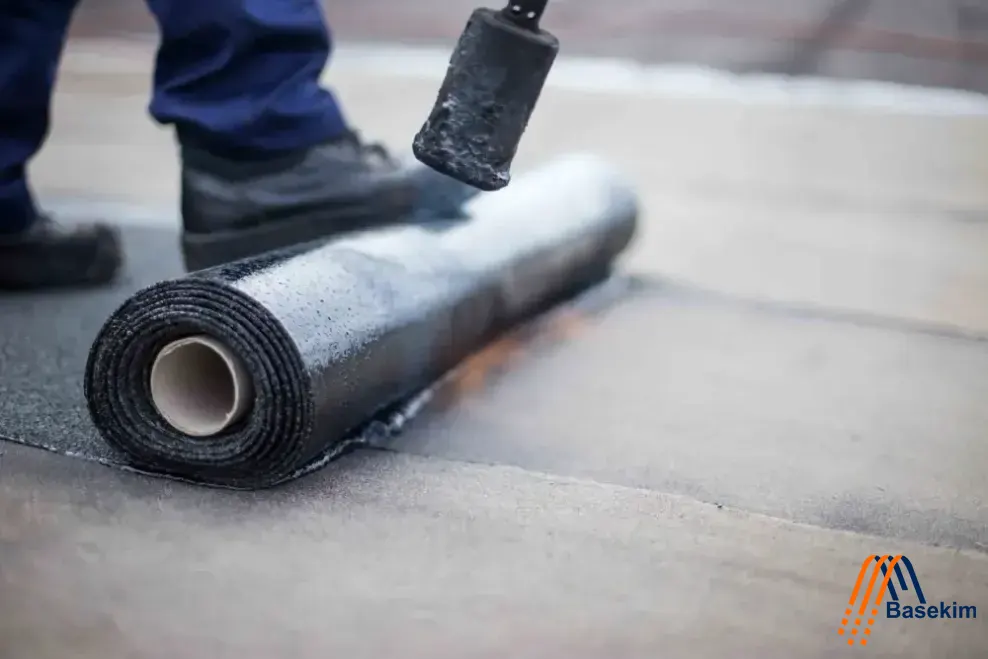
Bitumen membranes, on the other hand, can be applied using torch-on, self-adhesive, or cold-applied methods. This flexibility allows contractors to choose installation techniques based on project requirements and site conditions.
Because of these options, many contractors prefer bitumen systems for projects that require adaptable installation approaches. Leading suppliers such as Basekim from Turkey provide high-quality materials that support efficient application methods in various climates.
4. Waterproofing Performance of Bitumen Membrane and PVC Membrane
Water resistance remains one of the most important factors in roofing selection.
PVC membranes offer excellent waterproofing due to their welded seams. The uniform surface reduces the likelihood of leaks, especially in large commercial roofs.
Bitumen membranes also provide reliable waterproofing. Their layered construction acts as a barrier against water penetration, even if the top layer experiences minor damage. In many cases, this redundancy adds an extra level of protection.
5. Energy Efficiency
Energy efficiency becomes increasingly important in modern construction, making this a critical factor in bitumen membrane vs PVC membrane decisions.
PVC membranes reflect sunlight effectively, reducing heat absorption and lowering cooling costs. Buildings with PVC roofs often benefit from improved energy performance, particularly in warmer climates.
Bitumen membranes generally absorb more heat unless manufacturers include reflective coatings or granules. However, newer bitumen technologies continue to improve energy efficiency, making them more competitive in this area.
6. Maintenance Requirements
Maintenance needs differ between bitumen roofing vs PVC roofing systems.
PVC membranes require minimal maintenance due to their smooth surface and resistance to dirt accumulation. Routine inspections and occasional cleaning usually keep them in good condition.
Bitumen membranes may require more frequent inspections, especially in high-traffic areas. However, their layered design allows for easier localized repairs, which can extend the overall lifespan of the roof.
7. Cost Considerations
Cost often influences the final decision in the bitumen membrane vs PVC membrane comparison.
PVC roofing systems typically involve higher upfront costs due to material pricing and specialized installation requirements. However, their long lifespan and low maintenance can offset initial expenses over time.
Bitumen membranes usually offer a more cost-effective initial investment. Their flexible installation methods and material availability make them a budget-friendly option for many projects. Companies like Basekim from Turkey supply competitive bitumen solutions that balance performance and affordability.
8. Environmental Impact
Sustainability continues to shape the construction industry, making environmental impact an important consideration.
PVC membranes contribute to energy efficiency through reflectivity, but their production involves synthetic materials that can raise environmental concerns.
Bitumen membranes rely on petroleum-based materials, yet many manufacturers now incorporate recycled content and improved production methods to reduce environmental impact.
Both systems continue to evolve, with innovations focusing on recyclability and reduced carbon footprints.
Bitumen Membrane vs PVC Membrane: Which One Is Better?
The answer depends on project requirements, climate conditions, and budget.
Choose PVC membrane if you need high reflectivity, strong chemical resistance, and minimal maintenance.
Choose bitumen membrane if you prioritize durability, flexible installation, and cost efficiency.
For large commercial buildings exposed to chemicals or requiring energy efficiency, PVC roofing often stands out. For residential or industrial applications where strength and adaptability matter most, bitumen membranes provide a reliable solution.
Performance in Different Climates
Climate plays a crucial role in selecting between bitumen membrane vs PVC membrane.
In hot climates, PVC membranes perform exceptionally well due to their reflective properties. They reduce heat buildup and improve indoor comfort.
In colder regions, bitumen membranes handle temperature fluctuations effectively. Their flexibility prevents cracking and ensures consistent performance throughout seasonal changes.
In areas with heavy rainfall, both systems offer strong waterproofing, but proper installation remains essential to avoid issues.
Long-Term Value Comparison
When evaluating long-term value, both materials offer distinct advantages.
PVC membranes deliver consistent performance with minimal maintenance, making them ideal for property owners seeking a low-maintenance solution.
Bitumen membranes provide resilience and repair flexibility, which can reduce long-term repair costs. Their ability to withstand mechanical stress makes them particularly suitable for roofs with heavy equipment or foot traffic.
Final Thoughts on Bitumen Membrane vs PVC Membrane
The comparison of bitumen membrane vs PVC membrane highlights that no single solution fits every project. Each system offers unique strengths that align with specific needs.
PVC membranes excel in energy efficiency, chemical resistance, and ease of maintenance. Bitumen membranes stand out for durability, adaptability, and cost-effectiveness.
By carefully evaluating project goals, environmental conditions, and budget constraints, you can select the roofing system that delivers the best performance and value over time.
Ultimately, understanding the differences between bitumen roofing vs PVC roofing ensures smarter decisions and long-lasting results for any construction project.