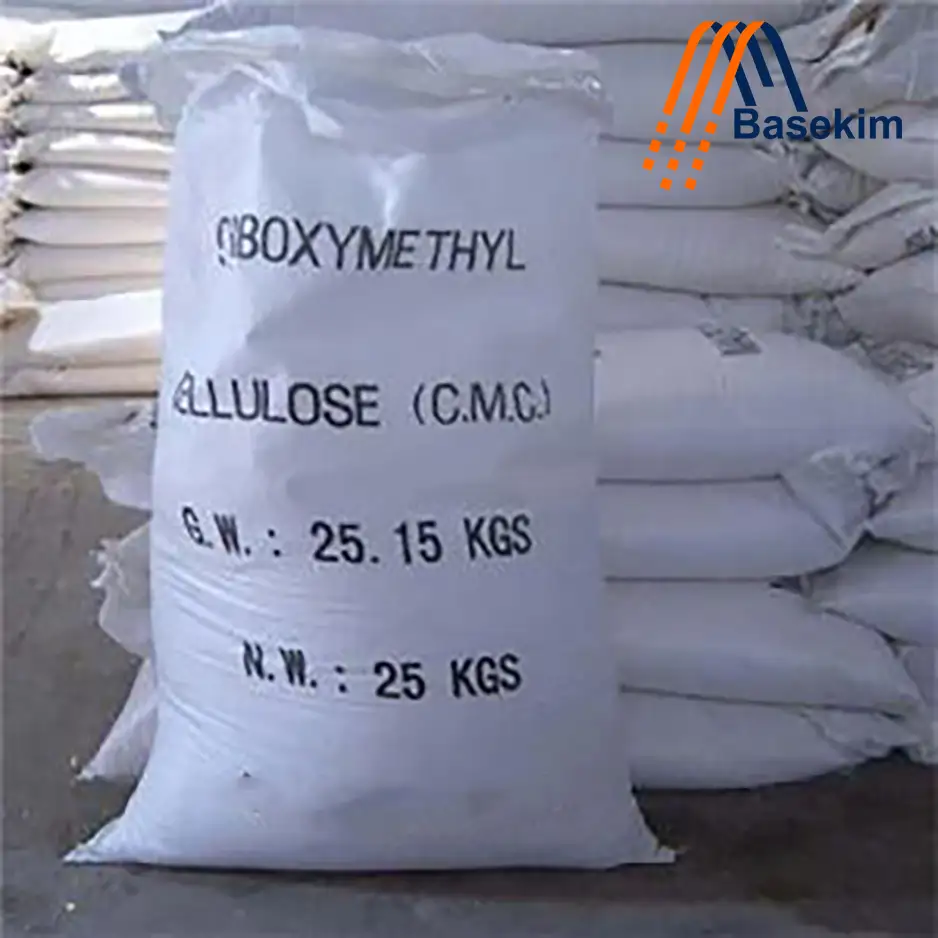
CMC in Oil Drilling plays a vital role in modern energy exploration. As oil companies push deeper into complex geological formations, the need for efficient and reliable drilling fluids becomes more important than ever. This is where CMC carboxymethyl cellulose in Oil Drilling steps in as a game-changing additive.
Carboxymethyl cellulose (CMC) is a water-soluble polymer derived from cellulose. It enhances drilling fluid performance by improving viscosity, controlling fluid loss, and stabilizing wellbores. These features make it an essential component in drilling operations across the globe.
Importance of Drilling Fluids in Oil Exploration
Drilling fluids, often called “mud,” serve several key functions. They cool and lubricate the drill bit, carry cuttings to the surface, and maintain pressure within the well. Without proper additives like CMC, drilling fluids would fail to perform these critical tasks efficiently.
Role of CMC Carboxymethyl Cellulose in Oil Drilling
CMC carboxymethyl cellulose in Oil Drilling acts as a multifunctional additive that improves the overall efficiency of drilling fluids.
Fluid Loss Control Mechanism
CMC forms a thin, impermeable filter cake on the walls of the wellbore. This barrier prevents excessive fluid from seeping into surrounding rock formations. As a result, it reduces waste and maintains pressure stability.
Viscosity Enhancement and Stability
CMC increases the thickness of drilling fluids, allowing them to carry rock cuttings more effectively. It also stabilizes the fluid under varying temperature and pressure conditions, ensuring consistent performance.
Key Properties of CMC in Oil Drilling
Water Solubility and Compatibility
CMC dissolves quickly in water, making it easy to mix into drilling fluids. It also works well with other additives, creating a balanced and effective fluid system.
Thermal Stability in Harsh Conditions
Oil drilling often takes place in extreme environments. CMC maintains its properties even at high temperatures, making it reliable for deep drilling operations.
Types of CMC Used in Oil Drilling
Low Viscosity CMC
Low viscosity CMC is ideal for controlling fluid loss without significantly increasing thickness. It is commonly used in situations where flow needs to remain smooth.
High Viscosity CMC
High viscosity CMC provides superior thickening and suspension capabilities. It is used in challenging drilling environments where stronger fluid performance is required.
Benefits of Using CMC in Oil Drilling
Improved Wellbore Stability
CMC strengthens the walls of the wellbore by forming a protective layer. This reduces the risk of collapse and ensures safer drilling operations.
Cost Efficiency and Reduced Waste
By minimizing fluid loss and improving efficiency, CMC helps reduce operational costs. Companies can complete drilling projects faster and with fewer resources.
Applications of CMC Carboxymethyl Cellulose in Oil Drilling
Onshore Drilling Operations
In land-based drilling, CMC improves fluid performance and ensures smooth operations. It helps maintain consistency even in varying soil conditions.
Offshore Drilling Systems
Offshore drilling requires high-performance materials. CMC provides the stability and reliability needed in deep-sea environments.
How CMC Enhances Drilling Performance
Lubrication and Friction Reduction
CMC reduces friction between the drill bit and the wellbore. This extends equipment life and improves drilling speed.
Suspension of Drill Cuttings
CMC keeps rock particles suspended in the fluid, preventing them from settling. This ensures efficient removal of debris from the well.
Environmental Impact of CMC in Oil Drilling
Biodegradability and Eco-Friendliness
CMC is derived from natural cellulose, making it biodegradable. This reduces its environmental impact compared to synthetic alternatives.
Compliance with Environmental Standards
Many regulatory bodies approve CMC for use in drilling due to its low toxicity and eco-friendly properties.
Choosing the Right CMC Supplier
Quality Assurance and Certifications
Selecting a reliable supplier ensures consistent product quality. Look for certifications and proven performance in the industry.
Why Basekim is a Trusted Supplier
Companies like Basekim provide high-quality CMC products designed for demanding oil drilling applications. Their expertise ensures reliable performance and consistent results.
Challenges and Limitations of CMC in Oil Drilling
Temperature Sensitivity
Although CMC performs well in many conditions, extremely high temperatures can affect its efficiency.
Compatibility Issues
In some cases, CMC may interact with other additives, requiring careful formulation to maintain performance.
Future Trends in CMC Carboxymethyl Cellulose in Oil Drilling
Advanced Formulations
Researchers are developing improved CMC formulations with enhanced thermal stability and performance.
Sustainable Innovations
The industry is moving toward more eco-friendly solutions, and CMC is at the forefront of this shift.
FAQs About CMC in Oil Drilling
1. What is CMC in Oil Drilling used for?
CMC is used to control fluid loss, improve viscosity, and stabilize drilling fluids.
2. Why is CMC important in drilling fluids?
It enhances performance, reduces waste, and ensures efficient drilling operations.
3. Is CMC environmentally friendly?
Yes, CMC is biodegradable and has low environmental impact.
4. What types of CMC are used in oil drilling?
Low viscosity and high viscosity CMC are commonly used depending on the application.
5. Can CMC handle high temperatures?
CMC performs well under moderate to high temperatures but may degrade under extreme conditions.
6. How does CMC improve wellbore stability?
It forms a protective layer that strengthens the wellbore walls and prevents collapse.
Conclusion
CMC in Oil Drilling remains a critical component in modern energy exploration. Its ability to improve drilling fluid performance, reduce costs, and support environmental sustainability makes it indispensable. As technology advances, CMC carboxymethyl cellulose in Oil Drilling will continue to evolve, offering even greater efficiency and reliability.