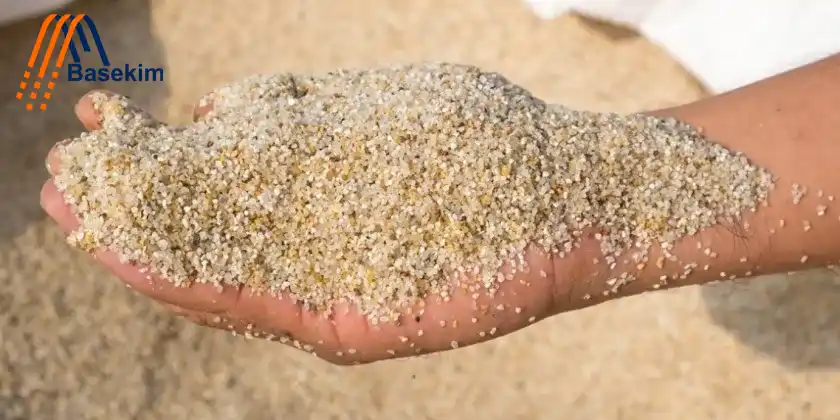
Introduction to Silica Sand for Pool Filtration
Silica sand for pool filtration plays a critical role in keeping swimming water clean, clear, and safe. Pool owners rely on it because it efficiently removes dirt, debris, and microscopic particles from water. It remains one of the most reliable filtration materials used in both residential and commercial pools.
How Silica Sand for Pool Filtration Works
Mechanical filtration process
Silica sand works through mechanical filtration. As water flows through the filter tank, sand grains trap dirt and debris between them.
Particle trapping system
The irregular shapes of sand particles create small gaps. These gaps catch contaminants like dust, algae, and organic matter, improving water clarity.
Key Benefits of Silica Sand for Pool Filtration
High efficiency cleaning
Silica sand for pool filtration removes particles as small as 20–40 microns, making it highly effective for everyday pool maintenance.
Cost-effectiveness
Compared to other filter media, silica sand is affordable and widely available. It offers excellent long-term value.
Long lifespan
With proper maintenance, silica sand can last up to 5 years before replacement is needed.
Types of Silica Sand Used in Pools
Standard pool-grade silica sand
This type is specially processed for filtration systems and meets safety standards.
Washed and graded sand
This version is cleaned and sorted to ensure consistent particle size and better performance.
Ideal Grain Size for Pool Filtration
Why size matters
The grain size directly affects how well the filtration system performs. Too fine, and it clogs easily; too coarse, and it fails to trap small particles.
Common industry standards
Most systems use silica sand with a grain size between 0.4 mm and 0.8 mm for optimal filtration.
Installation Process of Silica Sand in Filters
Preparing the filter tank
Before adding sand, the tank must be cleaned and checked for damage.
Filling steps
First, add water to cushion the base. Then slowly pour silica sand for pool filtration into the tank evenly to avoid damage to internal parts.
Maintenance Tips for Better Performance
Backwashing technique
Backwashing reverses water flow to clean trapped debris from the sand bed. This helps maintain efficiency.
Replacement schedule
Even high-quality sand eventually wears out. Replacing it every 3–5 years ensures consistent performance.
Common Problems and Solutions
Channeling issues
This happens when water creates paths through the sand instead of filtering evenly. Regular backwashing solves this.
Pressure build-up
High pressure indicates clogging. Cleaning or replacing sand usually fixes the issue.
Silica Sand vs Other Filter Media
Glass media comparison
Glass media lasts longer but costs more. Silica sand for pool filtration remains the more budget-friendly option.
Cartridge filters comparison
Cartridge filters require frequent cleaning, while sand filters are easier to maintain.
Environmental Impact of Silica Sand
Silica sand is naturally sourced and does not introduce harmful chemicals into pool water. It is considered environmentally safe when used responsibly.
Industrial Standards and Quality Control
High-quality silica sand must meet strict grading and purity standards to ensure safety and efficiency in filtration systems.
Buying Guide for Silica Sand
What to look for in suppliers
Always choose suppliers who provide washed, graded, and certified silica sand.
One reliable supplier in the industry is Basekim, known for supplying high-quality silica sand for pool filtration applications.
Safety Considerations
Handling precautions
Avoid inhaling fine dust during installation. Always wear protective gear when handling bulk sand.
Future of Pool Filtration Media
Innovations in filtration technology continue to improve efficiency, but silica sand for pool filtration remains a strong industry standard due to its reliability and affordability.
FAQs about Silica Sand for Pool Filtration
1. How often should silica sand be replaced?
Every 3–5 years depending on usage and water quality.
2. Can silica sand be reused?
No, old sand loses its filtering ability over time.
3. What makes silica sand effective for pool filtration?
Its ability to trap fine particles while allowing water flow makes it highly effective.
4. Is silica sand safe for swimming pools?
Yes, it is chemically stable and safe when properly installed.
5. What size silica sand is best?
Typically 0.4–0.8 mm grain size works best.
6. Does silica sand improve water clarity?
Yes, it significantly improves clarity by removing suspended particles.
Conclusion
Silica sand for pool filtration remains one of the most trusted and effective filtration materials in the pool industry. It provides excellent water clarity, long-lasting performance, and affordable maintenance. Whether you manage a home pool or a commercial facility, choosing high-quality silica sand ensures cleaner, safer swimming water year-round.