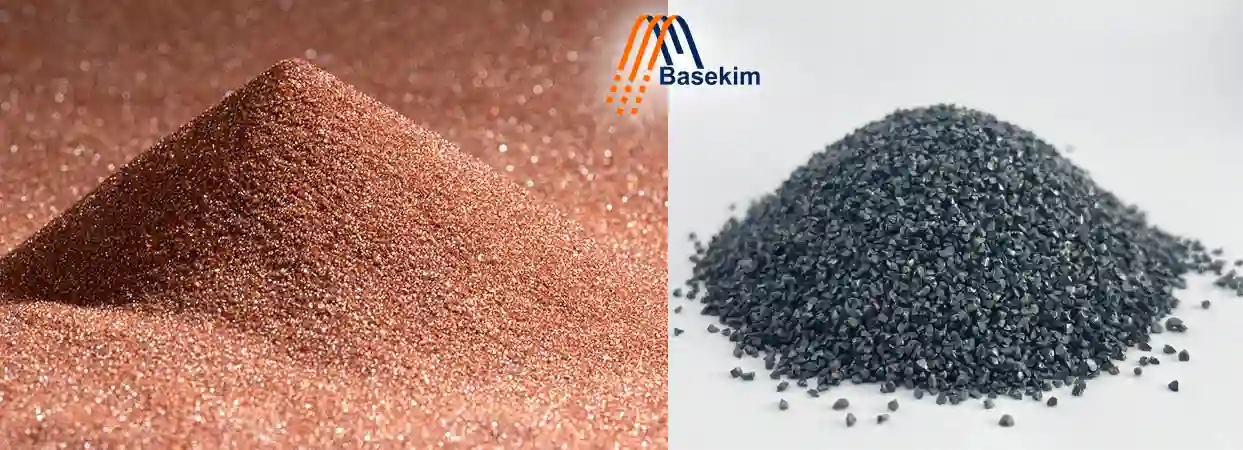
If you’re trying to choose between garnet abrasive vs steel grit, you’re probably feeling a bit stuck—and honestly, that’s normal. Both abrasives are popular, both claim great results, and both are used in serious industrial work. But here’s the truth: picking the wrong one can waste money, slow down your project, or even create safety risks. That’s why this guide breaks everything down in a super simple way, so you can clearly understand which option fits your needs best without confusion.
What Is Steel Grit?
Manufactured Abrasive Explained
Steel grit is a machine-made abrasive produced by crushing hardened steel. It’s very strong and designed for heavy-duty work. Unlike garnet, it’s metallic and can be reused multiple times.
Steel grit comes in different sizes and hardness levels, depending on the job.
Typical Applications
Steel grit is commonly used in:
-
Heavy industrial blasting
-
Rust removal
-
Surface roughening
It’s especially useful when you need aggressive cleaning power on tough surfaces.
Garnet Abrasive vs Steel Grit: Key Differences
Hardness and Cutting Power
When comparing garnet abrasive vs steel grit, both are strong—but in different ways.
-
Garnet: Sharp and fast-cutting
-
Steel grit: Tough and aggressive
Garnet cuts cleaner, while steel grit hits harder.
Surface Finish Quality
This is where garnet really shines.
-
Garnet: Smooth, even finish
-
Steel grit: Rougher surface
If you want precision, garnet is usually the better choice.
Reusability
Steel grit wins here.
-
Garnet: Usually single-use
-
Steel grit:Can be reused many times
However, reuse depends on proper collection and cleaning systems.
Dust and Safety
-
Garnet: Low dust, safer breathing
-
Steel grit:More dust and particles
Less dust means better visibility and healthier working conditions.
Environmental Impact
-
Garnet: Eco-friendly, natural
-
Steel grit: Requires more processing
Garnet is easier to dispose of and less harmful to the environment.
Cost Comparison Garnet abrasive vs Steel grit
Initial Cost
-
Garnet: Higher upfront cost
-
Steel grit: Lower initial price
At first glance, steel grit seems cheaper.
Long-Term Value
Here’s the twist.
-
Garnet: Saves time, less cleanup
-
Steel grit: Reusable but needs equipment
So the real cost depends on your setup. If you don’t have recycling systems, garnet might actually be more cost-effective.
Performance of garnet abrasive vs steel grit in Different Applications
Waterjet Cutting
Garnet is the clear winner.
-
Precise cutting
-
Clean edges
-
No contamination
Steel grit is not suitable for this use.
Sandblasting
Both can work, but:
-
Garnet = cleaner finish
-
Steel grit = stronger impact
Surface Preparation
-
Garnet: Best for delicate surfaces
-
Steel grit: Best for heavy-duty jobs
Safety Considerations
Worker Health
Garnet is safer because:
-
Low dust
-
No toxic materials
-
Better air quality
Steel grit may produce more airborne particles, which can be harmful without protection.
Cleanup and Disposal
-
Garnet: Easy to clean
-
Steel grit: Requires collection systems
Less hassle means faster job completion.
When to Choose Garnet Abrasive
Choose garnet if you want:
-
Clean and smooth finish
-
Safer working conditions
-
Eco-friendly solution
-
Waterjet cutting performance
It’s perfect for precision work and industries where quality matters most.
When to Choose Steel Grit
Go with steel grit if you need:
-
Heavy-duty cleaning
-
Strong impact blasting
-
Reusable material
-
Industrial-scale operations
It’s best for tough surfaces and large projects.
Why Garnet Is Becoming More Popular
More industries are switching to garnet because:
-
It’s safer for workers
-
It produces less waste
-
It delivers better results
-
It saves time overall
Even though steel grit has its place, garnet is quickly becoming the preferred choice in modern applications.
FAQs About Garnet Abrasive vs Steel Grit
1. Witch one is better garnet abrasive vs steel grit?
It depends on the job. Garnet is better for clean finishes and safety, while steel grit is better for heavy-duty blasting.
2. Can steel grit be reused?
Yes, steel grit can be reused multiple times if properly collected and cleaned.
3. Is garnet safe for workers?
Yes, garnet is considered safer because it produces less dust and contains no toxic materials.
4. Which is more cost-effective between garnet abrasive vs steel grit?
Steel grit may be cheaper upfront, but garnet can save money in the long run due to efficiency and less cleanup.
5. What industries use garnet abrasive?
Industries like shipbuilding, oil & gas, and waterjet cutting commonly use garnet.
6. Does steel grit damage surfaces?
It can be more aggressive, so it may damage softer surfaces if not used carefully.
Conclusion : garnet abrasive vs steel grit
Choosing between garnet abrasive vs steel grit doesn’t have to be confusing anymore. Think of it like this: garnet is clean, safe, and precise, while steel grit is tough, reusable, and powerful. The right choice depends on your project needs, budget, and safety priorities.
If you want better surface quality, lower dust, and a more eco-friendly option, garnet is a smart pick. But if you’re dealing with heavy-duty industrial work and already have recycling systems, steel grit might work better.
In the end, understanding these differences helps you make a confident decision—and avoid costly mistakes.