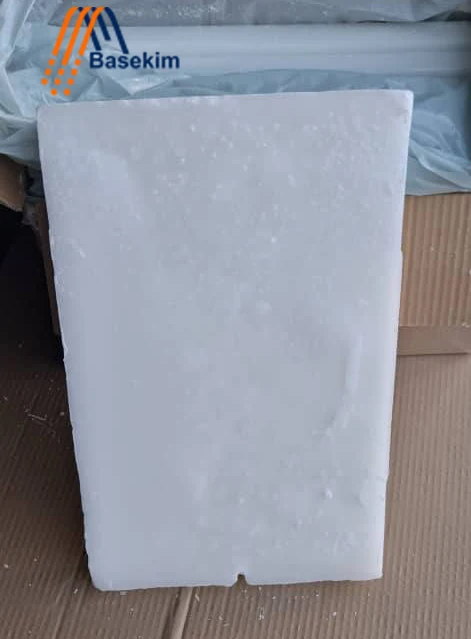
A Paraffin Wax Quality Test is an essential process for determining the purity, consistency, and performance of paraffin wax before it enters industrial production. Since paraffin wax is widely used in candle manufacturing, cosmetics, packaging, rubber processing, textiles, hot melt adhesives, and food-related applications, quality verification is extremely important.
Moreover, manufacturers rely on quality testing to ensure that every batch meets industry specifications. As a result, they can maintain consistent product performance and reduce manufacturing defects. Furthermore, proper testing helps businesses avoid costly production interruptions and customer complaints.
Whether you are a manufacturer, distributor, or industrial buyer, understanding paraffin wax testing methods can help you make informed purchasing decisions. Therefore, a comprehensive quality control strategy should always include detailed paraffin wax analysis.
What Is a Paraffin Wax Quality Test?
A Paraffin Wax Quality Test refers to a series of laboratory and physical evaluations designed to assess the quality and suitability of paraffin wax for specific applications. Specifically, these tests measure critical characteristics that directly influence performance.
Some of the most important parameters include:
Melting point
Oil content
Color and appearance
Penetration value
Viscosity
Flash point
Odor
Moisture content
Purity level
Thermal stability
In addition, these tests help verify whether the wax complies with industry standards and customer requirements. Consequently, manufacturers can use the wax with greater confidence.
Why Is a Paraffin Wax Quality Test Important?
Paraffin wax quality directly impacts the performance of finished products. For example, poor-quality wax may cause uneven candle burning, excessive smoke, weak fragrance retention, or coating defects.
On the other hand, high-quality paraffin wax offers superior consistency and reliability. As a result, manufacturers experience fewer production issues and improved product quality.
Furthermore, regular paraffin wax testing helps identify potential problems before they affect large-scale production. Therefore, businesses can reduce waste and improve operational efficiency.
Some major benefits of paraffin wax quality testing include:
Improved product consistency
Better manufacturing performance
Enhanced safety
Reduced production costs
Increased customer satisfaction
Compliance with quality standards
Overall, quality testing serves as a critical component of modern industrial operations.
Key Parameters in a Paraffin Wax Quality Test
Melting Point Test
The melting point test is one of the most important procedures used in paraffin wax quality control. Specifically, this test determines the temperature at which wax transitions from a solid state to a liquid state.
Different applications require different melting ranges. For instance, candle manufacturers often use wax with a melting point between 54°C and 68°C, while industrial coating applications may require higher melting temperatures.
Additionally, a consistent melting point indicates uniform product quality. Therefore, manufacturers carefully monitor this parameter during quality inspections.
| Application | Typical Melting Point |
|---|---|
| Candles | 54°C – 68°C |
| Cosmetics | 50°C – 60°C |
| Packaging | 58°C – 70°C |
| Industrial Coatings | 60°C – 72°C |
Consequently, melting point analysis remains a fundamental part of every paraffin wax quality test.
Oil Content Test
Another critical parameter is oil content. This test measures the amount of residual oil remaining in paraffin wax after refining.
Generally, fully refined paraffin wax contains less than 0.5% oil. In contrast, semi refined paraffin wax contains a higher percentage of oil.
Low oil content provides several advantages. For example, it improves transparency, enhances appearance, and promotes cleaner burning characteristics.
Furthermore, reduced oil levels often indicate a higher degree of refining. As a result, premium applications typically require low-oil paraffin wax.
Color and Appearance Test
Visual inspection provides valuable information about wax quality. Specifically, inspectors evaluate color consistency, transparency, surface smoothness, and the presence of contaminants.
High-quality fully refined paraffin wax typically appears white, clean, and uniform. However, discoloration or visible impurities may indicate contamination or inadequate processing.
Therefore, appearance testing remains one of the simplest yet most effective quality assessment methods.
In addition, consistent color often reflects stable refining processes and reliable product quality.
Penetration Test
The penetration test measures wax hardness under controlled conditions. During the procedure, a standard needle penetrates the wax surface while inspectors record the penetration depth.
A lower penetration value indicates harder wax. Conversely, a higher penetration value indicates softer wax.
Consequently, manufacturers use penetration testing to determine whether the wax is suitable for specific applications such as candles, coatings, packaging materials, and hot melt adhesives.
Furthermore, hardness directly influences handling, storage, and product performance. Therefore, penetration testing plays a significant role in quality evaluation.
Viscosity Test
Viscosity measures the flow behavior of molten paraffin wax. Specifically, it indicates how easily the wax moves during processing operations.
This property is particularly important in coating and blending applications. For example, excessive viscosity may create processing difficulties, while low viscosity may reduce coating effectiveness.
As a result, manufacturers closely monitor viscosity levels to maintain production efficiency.
Moreover, consistent viscosity contributes to uniform product performance and improved operational reliability.
Flash Point Test
Safety remains a major concern in industrial wax processing. Therefore, flash point testing is essential.
The flash point represents the temperature at which wax vapors can ignite when exposed to an ignition source.
A higher flash point generally indicates safer handling conditions. Consequently, manufacturers can reduce fire risks during transportation, storage, and production.
Furthermore, flash point testing helps organizations comply with safety regulations and industry requirements.
Odor Evaluation
Odor testing is particularly important for sensitive applications. For instance, cosmetic manufacturers and candle producers often require odor-free paraffin wax.
Unwanted odors may indicate insufficient refining or contamination. Therefore, quality inspectors routinely evaluate wax odor during product assessments.
In addition, odor-free wax improves the overall quality of finished products. As a result, manufacturers can achieve better customer satisfaction.
Moisture Content Test
Although paraffin wax naturally resists water, moisture contamination can still occur during storage and transportation.
Excess moisture may create processing problems and reduce product quality. Consequently, manufacturers perform moisture testing to ensure product reliability.
Furthermore, controlling moisture levels helps maintain consistent production conditions. Therefore, moisture analysis remains an important quality control procedure.
Fully Refined vs. Semi Refined Paraffin Wax Testing
Semi Refined Paraffin Wax Quality Test
Semi refined paraffin wax contains a higher level of residual oil. However, it remains suitable for many industrial applications.
Common characteristics include:
Higher oil content
Lower production cost
Good industrial performance
Moderate color quality
Consequently, many packaging and industrial manufacturers choose semi refined wax for cost-effective production.
Fully Refined Paraffin Wax Quality Test
Fully refined paraffin wax undergoes extensive purification processes. As a result, it offers superior performance and appearance.
Key characteristics include:
Oil content below 0.5%
Excellent color
Minimal odor
High purity
Consistent quality
Therefore, industries such as cosmetics, pharmaceuticals, and premium candle manufacturing often prefer fully refined grades.
Advanced Laboratory Methods for Paraffin Wax Analysis
Modern laboratories use sophisticated testing technologies to evaluate paraffin wax quality.
Gas Chromatography (GC)
Gas chromatography analyzes the hydrocarbon composition of paraffin wax. As a result, laboratories can determine purity levels and chemical consistency.
Differential Scanning Calorimetry (DSC)
DSC evaluates thermal behavior, including melting and crystallization characteristics.
Furthermore, DSC helps researchers understand wax stability under different temperature conditions.
Spectroscopic Analysis
Spectroscopic methods identify chemical structures and potential contaminants.
Consequently, manufacturers can verify product authenticity and maintain strict quality standards.
Common Problems Identified Through Paraffin Wax Quality Testing
Quality testing often reveals issues that may negatively affect performance.
High Oil Content
Excessive oil content may cause:
Smoke formation
Surface sweating
Reduced transparency
Therefore, oil content monitoring is essential.
Inconsistent Melting Point
Melting point variations may result in:
Uneven candle performance
Production instability
Coating defects
Consequently, manufacturers carefully monitor thermal properties.
Contamination
Contaminants may create odor problems, discoloration, and quality inconsistencies.
As a result, purity testing becomes a critical quality control measure.
Choosing a Reliable Paraffin Wax Supplier
Testing product quality is important. However, selecting a trustworthy supplier is equally critical.
A reliable supplier of paraffin wax should provide:
Certificate of Analysis (COA)
Consistent product specifications
Quality documentation
Technical support
Reliable delivery schedules
Furthermore, reputable suppliers maintain strict quality control procedures throughout the production process.
Basekim: A Trusted Supplier of Paraffin Wax
When sourcing premium paraffin wax, choosing an experienced supplier can significantly impact product quality and operational efficiency.
Basekim supplies high-quality paraffin wax grades for a wide range of industrial applications, including candle manufacturing, packaging, cosmetics, rubber processing, and coating industries.
Moreover, Basekim focuses on consistent quality standards and dependable supply chains. In addition, the company provides detailed technical specifications and quality documentation to help customers evaluate product performance.
As a result, manufacturers can improve production efficiency while maintaining high-quality standards.
Best Practices for Paraffin Wax Quality Control
Implementing a strong quality control program can improve consistency and reduce production risks.
Therefore, companies should follow these best practices:
Test every incoming batch.
Verify melting point specifications.
Monitor oil content regularly.
Inspect color and appearance.
Evaluate viscosity and penetration values.
Maintain accurate testing records.
Compare results with supplier specifications.
Conduct periodic third-party laboratory testing.
Furthermore, continuous monitoring helps identify potential issues before they become major production challenges.
Conclusion: Paraffin Wax Quality Test
A comprehensive Paraffin Wax Quality Test is essential for ensuring product quality, consistency, and performance. By evaluating important parameters such as melting point, oil content, penetration value, viscosity, flash point, purity, and appearance, manufacturers can make better purchasing and production decisions.
Moreover, regular paraffin wax testing, paraffin wax analysis, wax quality inspection, paraffin wax purity testing, industrial wax testing, and quality control for paraffin wax help businesses maintain high standards and improve efficiency.
Finally, partnering with a trusted supplier such as Basekim ensures access to reliable, high-quality paraffin wax supported by technical expertise and consistent quality assurance. As a result, businesses can achieve better manufacturing outcomes, improved product performance, and long-term customer satisfaction.